Senior Project ManagerSeptember 2, 2026
The moment automation needs a signature
An automated report can answer most questions instantly. The moment a result carries real consequences, someone usually wants a person to have actually looked at it before they trust it fully. This guide covers the architecture, cost, and timeline behind a two tier report app that offers both.
What an Automated Report App With Expert Review Actually Does
An automated report app with an expert review tier collects structured data from a user and generates an instant automated report from it. It also offers a second tier where the same submission goes to a human expert for a more detailed result. Enterprise preference already leans toward this model, and the reasoning behind that preference maps closely onto why a report app would want both tiers too. 73 percent of enterprise leaders prefer a hybrid AI plus human delivery approach, according to 2026 industry research, with only 6 percent favoring full automation alone. The app itself mainly handles guided data entry and automated report generation. For the paid tier, it also handles an admin workflow that routes submissions to a reviewer and tracks status until a final report is delivered. None of this requires choosing between automation and expertise. It requires designing both tiers around the same submission, so a user who wants more confidence gets it without redoing any of the original work. That single design decision is what makes the two tiers feel like one coherent product instead of two separate ones sharing a name.
Three Points on the Automation Spectrum
Not every report product needs to sit at either extreme, and the real spectrum has three useful points.
Approach | Best for | Tradeoff |
Fully automated report | Low cost, instant results at scale | No human judgment on ambiguous or high stakes cases |
Two tier automated plus expert | Letting users choose their own confidence level | Needs a real review workflow, not just a pricing toggle |
Fully manual expert service | Highest stakes, no tolerance for automation error | Does not scale, slow and expensive per case |
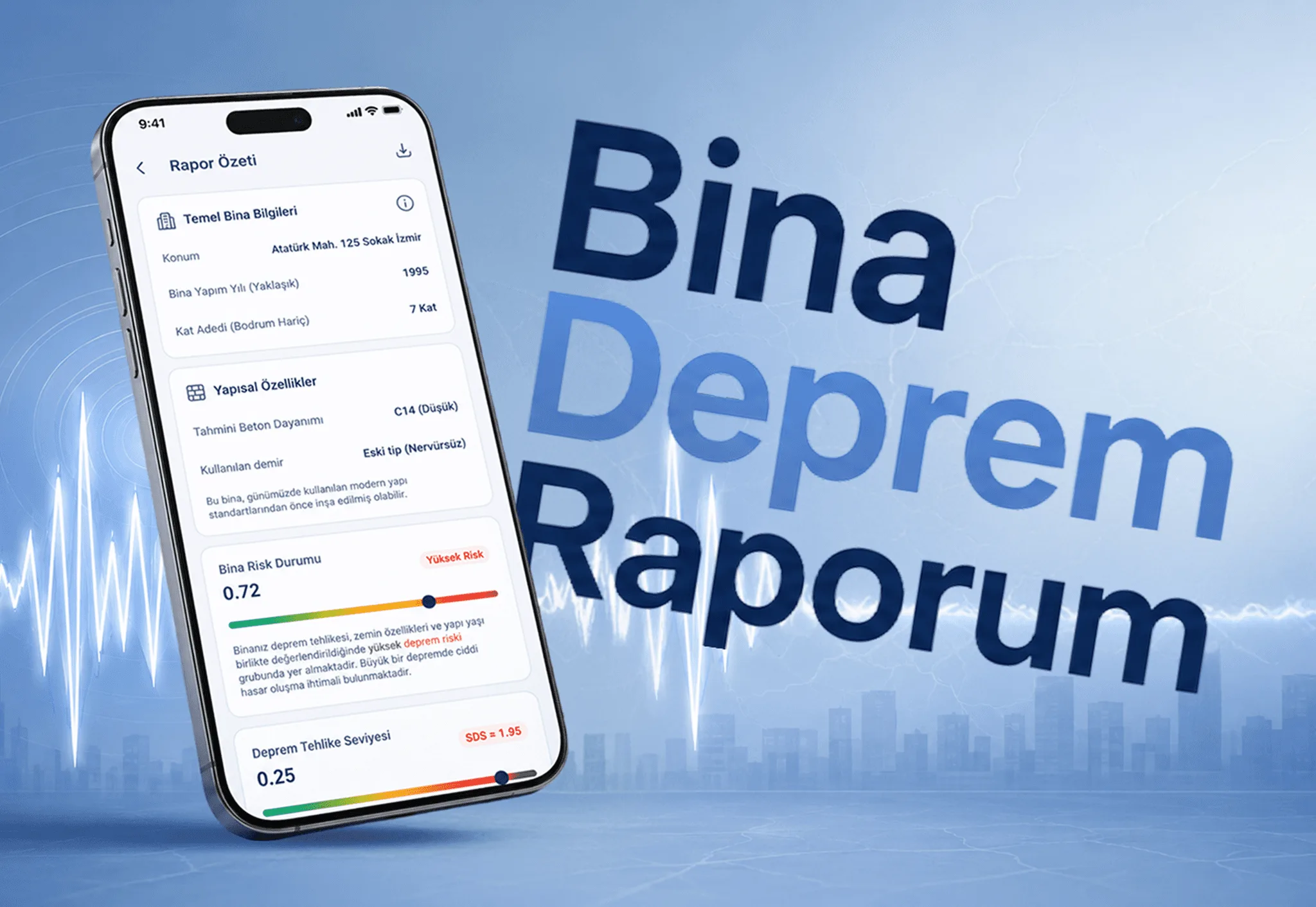
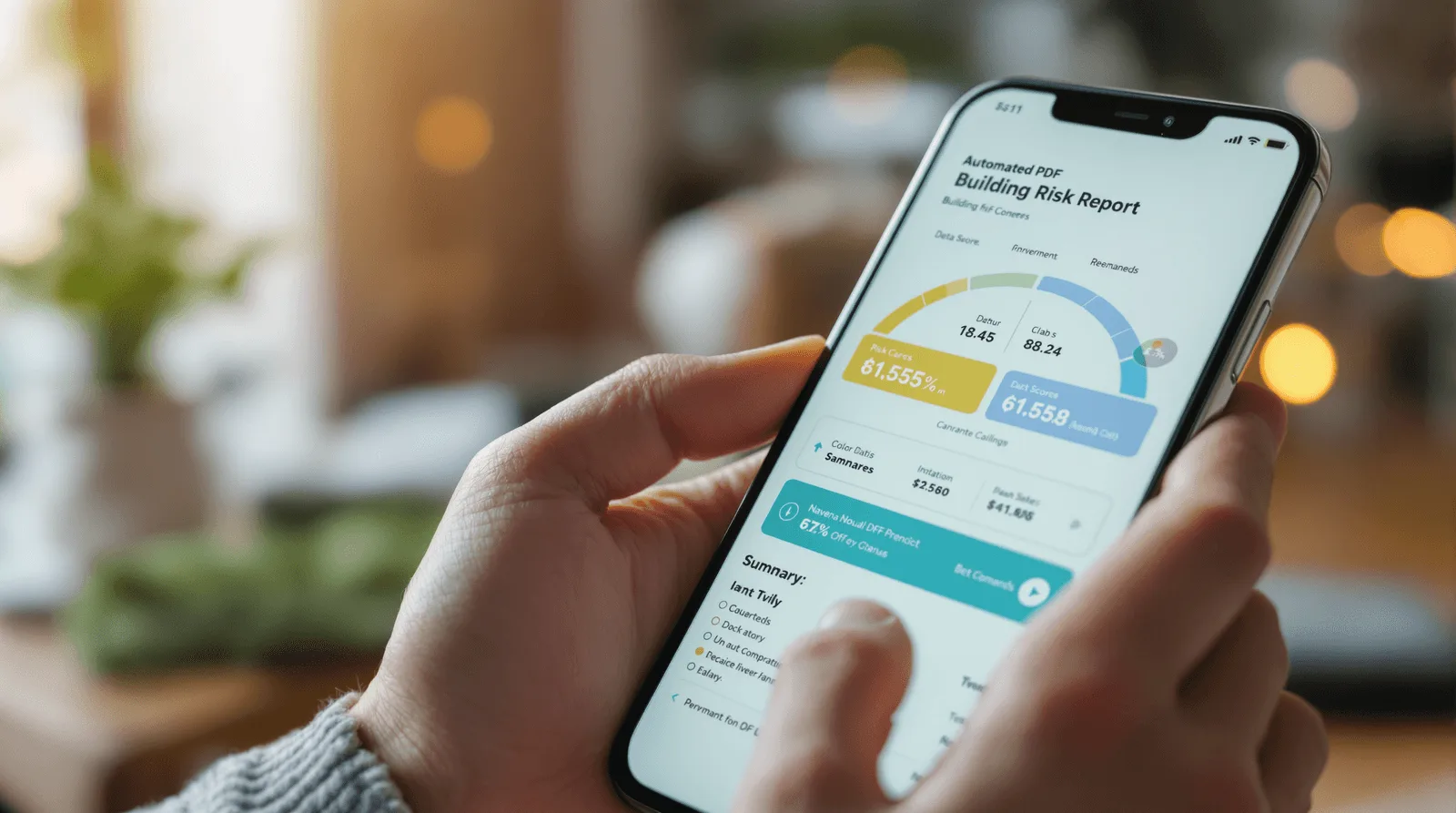
Bina Deprem Raporum sits deliberately in the middle, serving homeowners in earthquake prone regions who arrive with very different levels of urgency and budget. Its free tier generates an automated PDF risk report from submitted building data instantly. Its paid tier routes the same submission, along with required photos, to an admin panel, where a reviewer runs additional analysis and delivers a detailed report within 48 hours. Neither pure automation nor a fully manual service would have served every homeowner in the same product. Some just want a quick first read, while others want a more thorough second opinion.
Choosing where to sit on that spectrum shapes the entire build:
Choose full automation only when the output has low enough stakes that a wrong or oversimplified answer causes little real harm
Choose the two tier hybrid when users have genuinely different confidence needs, and design the escalation from automated to expert as a real workflow with its own screens and status tracking
Choose a fully manual service only when the category cannot tolerate any automation error at all, and expect it to cost and scale very differently from either automated option
Most teams underestimate how much the middle option actually costs to run well. It looks like a simple toggle between two existing capabilities. The two tiers only work together if the same submission genuinely serves both paths, without ever asking a user to start over.
How to Scope the First Version
Most automated report apps fail on unclear boundaries between what the automated tier claims and what the expert tier actually verifies. A first version that is honest about that boundary beats one that blurs it for a cleaner pitch.
Decide exactly what the automated tier can responsibly claim from submitted data alone, and write that boundary into the report itself, not just into a terms of service page
Design the escalation path from automated to expert review as a real feature, including what photos or details the reviewer needs that the automated tier never collected
Set a realistic turnaround commitment for the expert tier, the way Bina Deprem Raporum's 48 hour window does, and build the admin workflow to actually hit it under real submission volume
Teams that treat the expert tier as a manual afterthought usually discover it cannot keep pace with demand. That happens right when the automated tier starts working well enough to drive real volume.
What a Realistic Build Timeline Looks Like
Bina Deprem Raporum shipped in three months, and four stages made up that window.
Discovery and scope, where the team locks what the automated tier can claim, the paid tier's evidence requirements, and the admin review workflow before any screen gets designed
Core build, the largest block on the calendar, where guided data entry, automated report generation, and the admin panel come together against that locked scope
Review workflow testing, run with real submissions and a real reviewer working through the admin panel, not a scripted demo case
Launch and monitor, the first few weeks live, when real submission volume tests whether the review turnaround holds up outside a controlled test batch
Skipping real review workflow testing is the most common reason a 48 hour promise turns into a backlog. That happens the moment real submissions arrive faster than a reviewer can process them.
Four Things That Move the Budget and Timeline
These four factors move the budget on a two tier report app more than anything else in the brief:
Admin review workflow depth, since routing, status tracking, and reviewer tools add real scope beyond the automated report generation itself
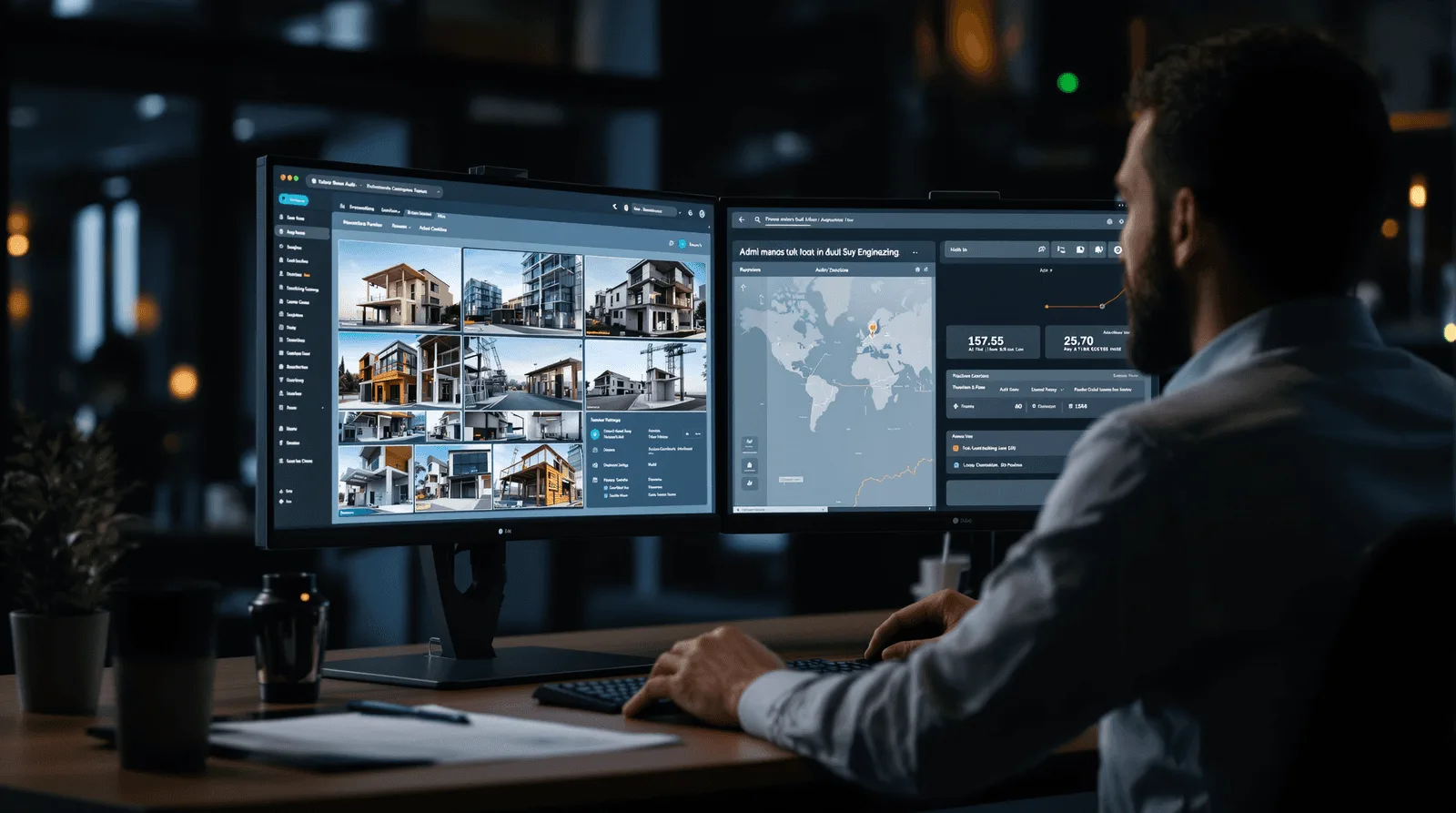
Evidence capture requirements, since Bina Deprem Raporum's paid tier prompts photos from specific building areas, which is more design work than a form alone
Multi record data models, since supporting several properties per user, each with its own name, address, floor level, age, and location details, adds structure beyond a single submission flow
Notification and status systems, since users on both tiers need to know when a report is ready or when more information is required, and silence reads as a broken app rather than a busy one
Neon Apps shipped this two tier system in three months, which held because the automated and expert paths shared the same submission data instead of needing two separate intake flows.
What This Costs Beyond the Build Fee
The build fee covers the app. The expert review tier carries a distinct, ongoing cost the automated tier does not.
Reviewer staffing, since human in the loop review typically needs about 0.5 to 2 full time reviewers per 100,000 monthly reviewed submissions, according to 2026 industry estimates
That reviewer cost scales directly with paid tier adoption, not with the automated tier's usage
Report generation and delivery infrastructure, for producing and hosting PDF reports reliably at whatever volume the automated tier attracts
Notification infrastructure, to reliably tell a user their report is ready or that the reviewer needs another photo or detail
The automated tier's cost stays relatively flat per submission. The expert tier's cost is a real staffing line that needs planning before volume arrives, not after a turnaround promise starts slipping. Treating both tiers as if they carried the same cost structure is a common early mistake worth avoiding from the start.

Where These Apps Break in Production
The automated report itself rarely fails outright, since generating a PDF from structured input is the easy part. The line around what that report actually means to the person reading it is where things go wrong.
Overclaimed certainty, since a user can easily read an instant automated report as more authoritative than the data behind it actually supports, especially in a safety relevant category
Review bottlenecks, since reviewer capacity that looked fine in testing can fall behind the moment the automated tier's low friction pulls in more paid submissions than expected
Evidence gaps stalling review, since a reviewer who needs a specific photo the user never uploaded has to pause the case and wait, extending the turnaround the paid tier promised
Users treating either tier as a certified professional judgment instead of what it actually is
The honest framing for both tiers is an informational tool meant to guide a homeowner toward the right next step, not a replacement for a licensed engineer's own assessment
None of this shows up in a demo with one clean submission and one attentive reviewer. It shows up once real submissions arrive with missing photos, ambiguous details, and volume that tests whether the 48 hour promise was realistic in the first place. A single clean test case can pass every check and still say nothing about how the system behaves at real volume.
The Report App We Have Shipped
Neon Apps built Bina Deprem Raporum around exactly this two tier model.
Project | Client | Year | Build time | What it solved |
İsmail Taygun Kır | 2026 | 3 months | Earthquake risk reports for homeowners, automated or expert reviewed |
Bina Deprem Raporum gives homeowners in earthquake prone regions a structured way to understand their building's risk without needing engineering expertise themselves. The free tier turns submitted building details into an instant automated PDF report. The paid tier routes that same submission, plus photos from specific building areas, to an admin panel. There, a reviewer runs additional analysis and delivers a detailed report within 48 hours. The app is explicit that this is a structured, accessible starting point for understanding risk, useful precisely because most homeowners have no other easy way to begin. It is not a substitute for a licensed structural engineer's own assessment when a property's safety is genuinely in question. Planning web app development around that honest tiering, rather than presenting either level as a final certified answer, is what let this ship in three months. Homeowners still got a real choice in how much confidence they needed.