
Project ManagerAugust 28, 2026
The habit that fits inside a coffee break
A short drama app has to earn its place in the smallest pockets of a day, a commute, a queue, a coffee break. There is no room for a slow loading screen or a menu that makes someone hunt for what to watch next. This guide covers the architecture, cost, and timeline behind building one that actually fits those moments.
What a Short Drama Streaming App Actually Does
A short drama streaming app delivers serialized story episodes, usually just a few minutes each, designed to be watched in small sessions throughout a day rather than in one sitting. The category has grown fast. In app revenue for micro series content is forecast to reach 3.8 billion dollars in 2025 and more than double to 7.8 billion dollars in 2026, according to Deloitte's 2026 media predictions. The app itself mainly handles instant playback and a content pipeline that keeps episodes fresh. It also handles the progress tracking that lets someone stop mid episode and pick up exactly where they left off later. None of this requires reinventing video streaming from scratch. It requires treating the first few seconds of every open as the moment that decides whether someone stays or leaves.
Three Session Formats a Streaming App Can Choose
Not every video app is built for the same viewing moment, and three formats cover most of what actually gets built.
Format | Best for | Tradeoff |
Micro episode, a few minutes | Small daily gaps, habitual short sessions | Needs a constant supply of new episodes or viewers run out of content fast |
Standard episode, 20 to 40 minutes | Deeper story investment, appointment viewing | Costs more to produce or license per minute of finished content |
Full length film or series | Prestige content, planned viewing | Poorly suited to the in between moments this category depends on |
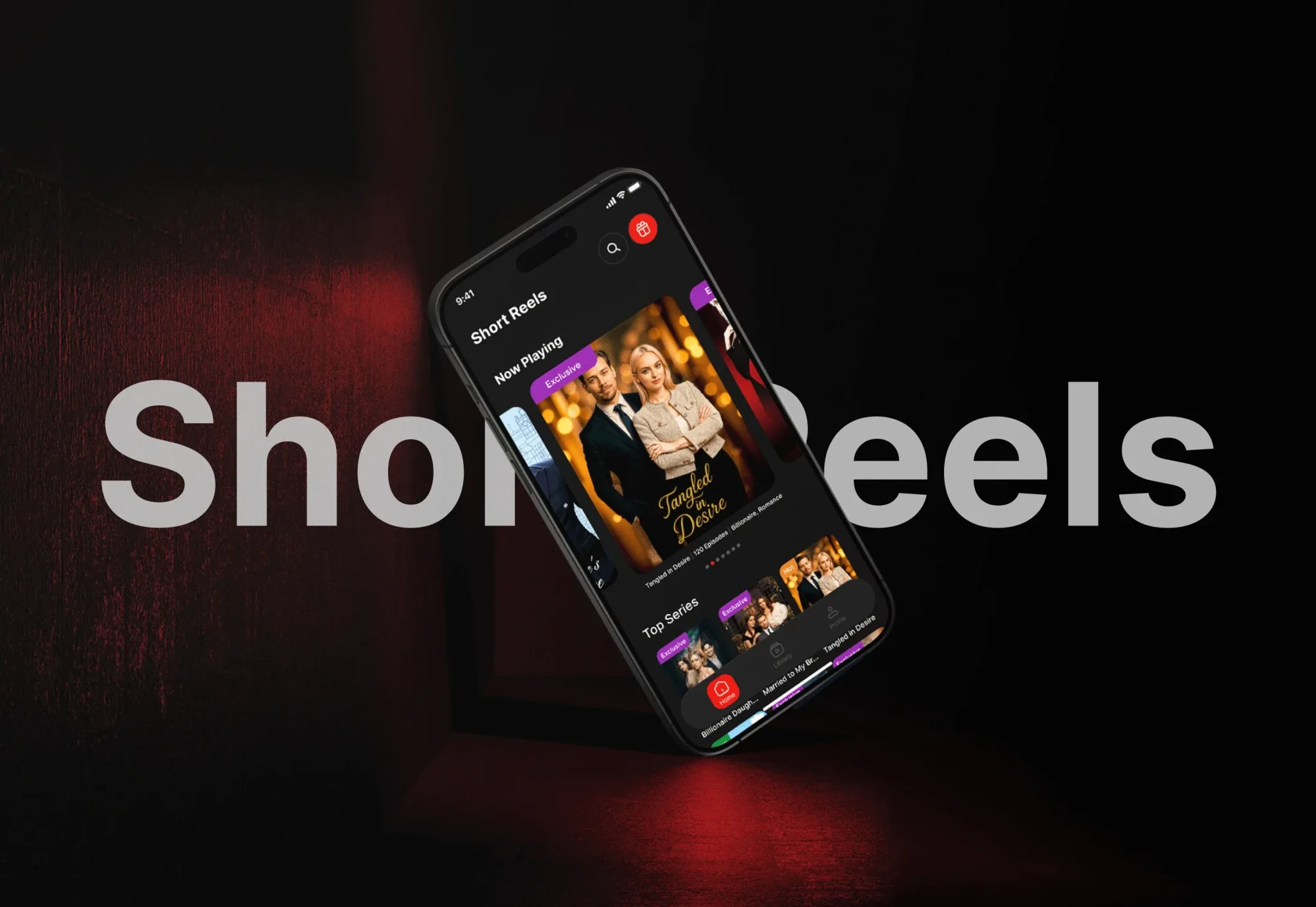
Short Reels sits deliberately in the first row, built around episodes short enough to finish in a single break and a home screen that keeps surfacing something new to start. Choosing that format was not a smaller version of building a standard streaming app. It was a different product with different priorities from the first screen onward.
Choosing the format shapes the entire build:
Choose micro episodes when the viewing moment is small and frequent, and commit to a real content refresh cadence, since a stale catalog is the fastest way to lose a habitual viewer
Choose standard length episodes when the story needs more room, and expect production or licensing cost to scale with runtime in a way micro episodes never do
Choose full length content only when the app is competing for planned, sit down viewing time rather than the small gaps a short drama app targets
Most teams underestimate how much the content pipeline itself drives the product decision. The player, the progress tracking, and the discovery screen all exist to serve whatever cadence of new episodes the content side can actually sustain.
How to Scope the First Version
Most short drama apps fail on the two things a viewer notices in the first ten seconds, not on the size of the content library. A first version that nails instant playback and reliable progress tracking beats one with more episodes and a slower open.
Make the player start playback the instant the app opens on a story, since a slow first frame loses exactly the viewer this format depends on
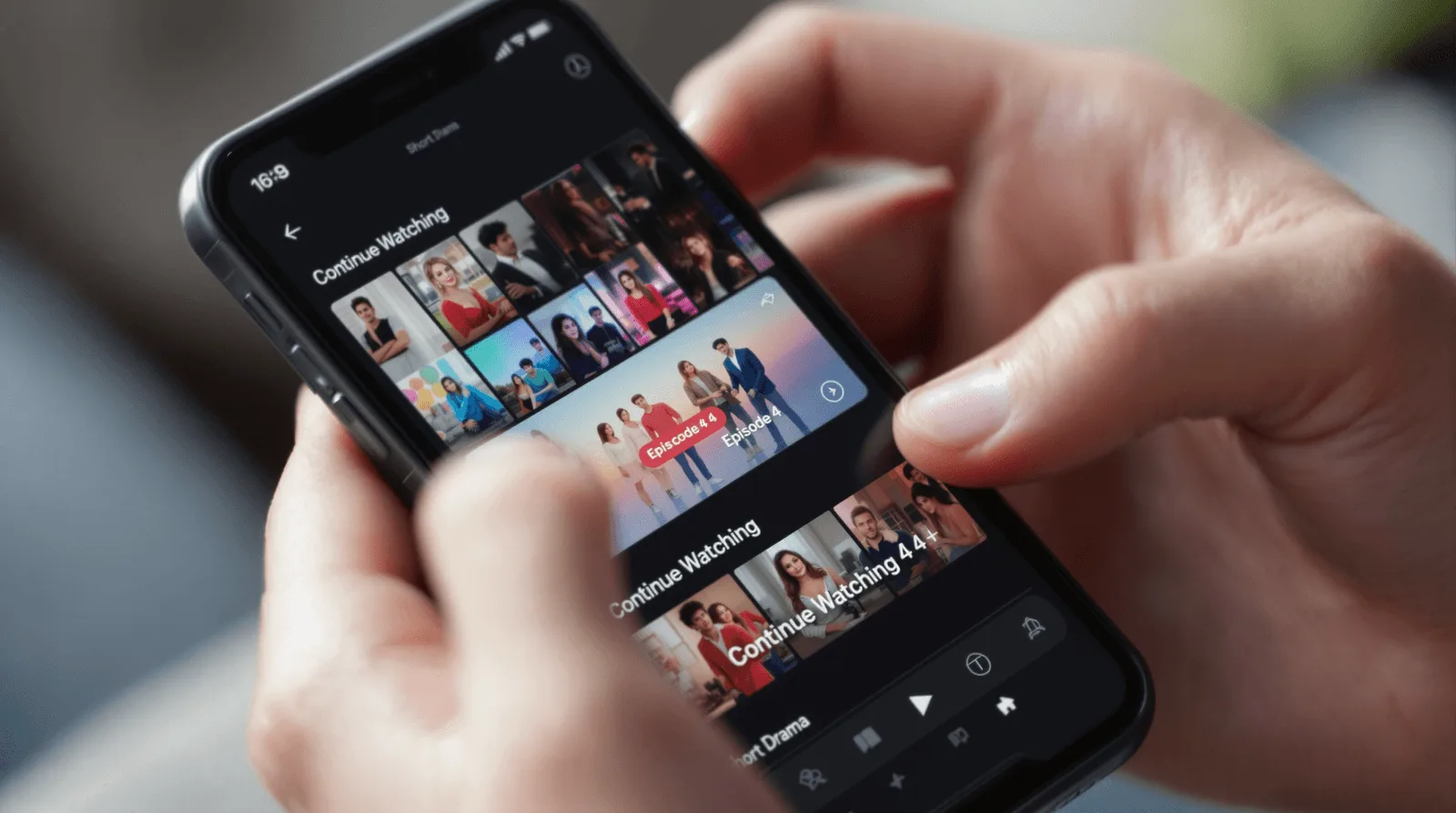
Build progress tracking as a core feature from day one, not an add on, since losing someone's place is one of the fastest ways to break trust in this category
Design the home screen around surfacing what is new, the way Short Reels keeps fresh stories and episodes visible without the viewer needing to search
Teams that launch with a large content library and a shaky player usually discover the player was the actual product. The library only matters once someone trusts the app enough to keep opening it.
What a Realistic Build Timeline Looks Like
Short Reels shipped in three months, and four stages made up that window.
Discovery and scope, where the team locks the episode format, the content pipeline cadence, and the progress tracking model before any screen gets designed
Core build, the largest block on the calendar, where the player, progress tracking, and discovery home screen come together against that locked scope
Playback and performance testing, run against real network conditions and real episode libraries, not a handful of preloaded clips on office wifi
Launch and monitor, the first few weeks live, when real viewing behavior tests whether people actually return for another session
Skipping real playback testing under realistic network conditions is the most common reason a player that felt instant in development starts buffering the moment real users join from real, inconsistent connections.
Four Things That Move the Budget and Timeline
These four factors move the budget on a short drama app more than anything else in the brief:
Content pipeline complexity, since sourcing or producing a constant stream of new episodes is a distinct, ongoing cost separate from building the app that plays them
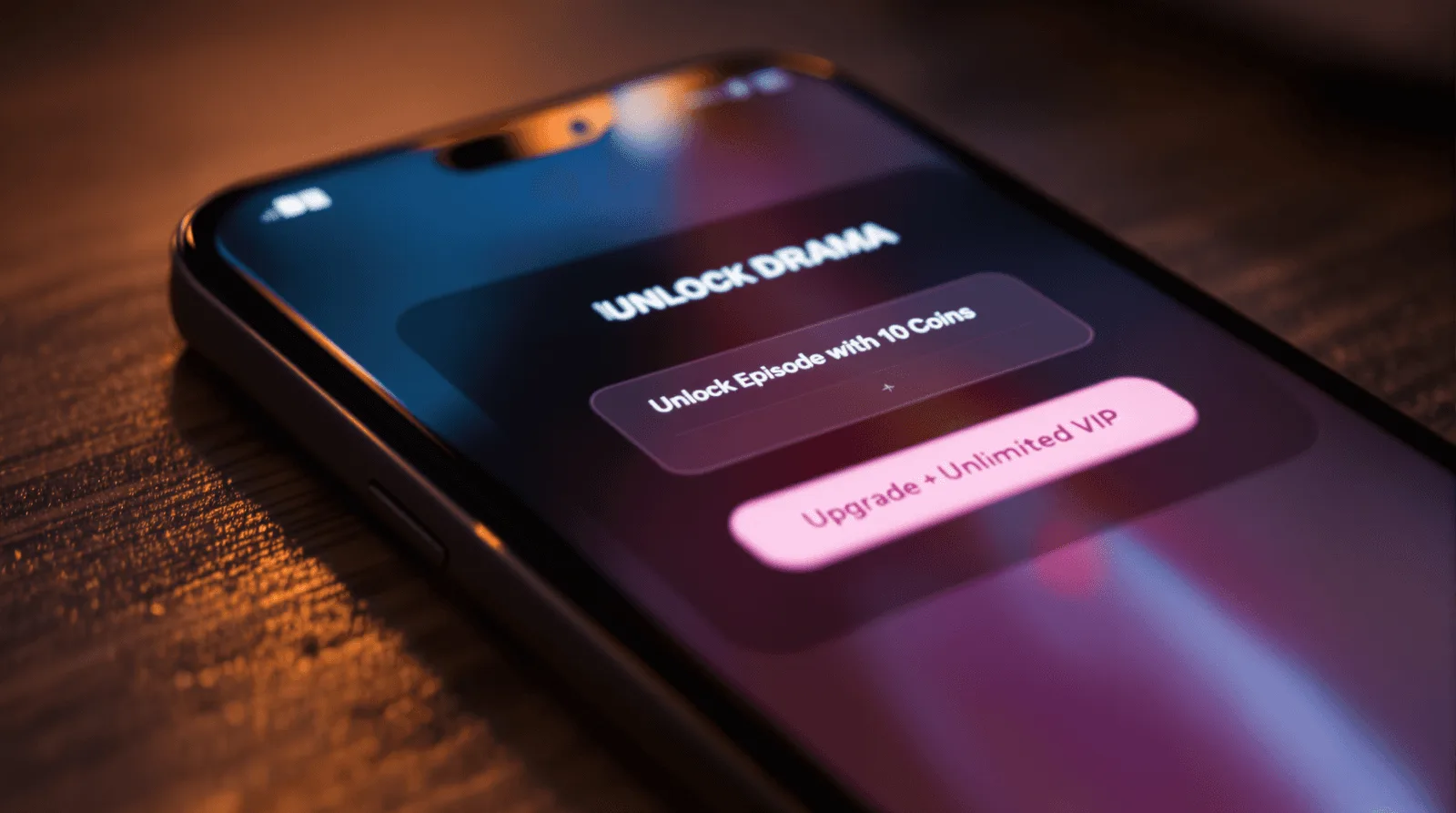
Monetization system depth, since a pay per episode or coin based unlock system takes real design and engineering work well beyond a basic subscription toggle
Playback performance engineering, since instant start and smooth scrubbing between episodes take real optimization work most video apps skip
Discovery and recommendation logic, since surfacing the right next episode is what turns a single session into a daily habit
Most apps in this category settle on one of two monetization patterns, or a blend of both. In the first, free episodes stay free, and a viewer spends purchased coins to unlock later ones story by story. The second layers a flat monthly subscription, commonly priced from about 9.99 to 19.99 dollars, on top of that same coin system for viewers who would rather pay once than track a balance. Deciding which pattern fits a given audience is a real product decision that belongs in scope planning, not a setting to flip after launch.
A functional streaming app with mobile clients, basic content delivery, and monetization support typically runs from about 25,000 to 60,000 dollars for an MVP scope, according to 2026 industry pricing guides. More advanced catalogs and recommendation systems cost more on top of that.
What This Costs Beyond the Build Fee
The build fee covers the app. Running a video streaming app afterward carries a real, ongoing cost that most first time builders underestimate.
Content delivery and bandwidth, the single largest ongoing cost, since 100,000 users watching two hours daily can run 5,000 to 20,000 dollars a month in 2026 CDN pricing
Content production or licensing, an ongoing expense that never stops the way a one time build fee does, since the catalog needs constant new episodes to keep viewers coming back
Payment processing and monetization infrastructure, if the app sells coins or episode unlocks rather than a flat subscription
Video encoding and storage, since every new episode needs to be processed into multiple formats before it can stream reliably across devices
Delivery cost scales directly with watch time, not with app downloads. A short drama app that succeeds at its actual goal, getting people to watch for longer, spends more on delivery the better it performs.
Where These Apps Break in Production
The player itself rarely fails outright in a demo. The systems that keep it fed and fast do.
Buffering under real network conditions, since a player that felt instant on office wifi can stall the moment real users watch on inconsistent mobile connections
Progress tracking that loses its place, since a viewer who returns to episode one after finishing episode six will not give the app a second chance
Content drying up, since the category is intensely competitive and a catalog that stops refreshing loses habitual viewers within days, not months
Monetization that feels punishing rather than fair, since a coin or unlock system designed around squeezing every viewer rather than rewarding engaged ones tends to drive people away faster than it grows revenue
None of this shows up in a demo with a handful of preloaded episodes and a reviewer who already knows what to click. It shows up once real viewers arrive with real, spotty connections and a genuine choice about whether to open the app again tomorrow. The category itself is a useful reminder of these stakes. Only a small fraction of short drama series ever break out to a large audience. A large share of active apps in this space are expected to shut down or get absorbed within a couple of years. That is mostly a content and marketing challenge rather than an engineering one. It still means the app itself has to be good enough that a breakout story is never held back by a slow player or a lost place in an episode.
The Streaming App We Have Shipped
Neon Apps built Short Reels around exactly this small moment, high frequency viewing model.
Project | Client | Year | Build time | What it solved |
BoomBit S.A. | 2025 | 3 months | Short, story based drama episodes built for quick daily viewing |
Short Reels brings short, story based drama episodes to mobile in a format built entirely around quick daily sessions. Playback starts the instant a story opens, and the player remembers exactly where a viewer stopped so returning to an unfinished story never means rewatching or losing a place. New stories and episodes surface on the home screen automatically, so finding something to watch never requires searching. The app gained active daily viewers soon after launch, with faster playback and clear continuation options encouraging longer sessions during breaks, commutes, and small moments throughout the day. Planning app growth and monetization consulting around what actually keeps a viewer returning, rather than around library size alone, is what turned a three month build into a habit people kept coming back to.