
Development
How to Build a Ride Booking and Dispatch App
A ride booking and dispatch app has to coordinate more than a booking—it has to keep drivers, riders, and real-time trip data moving together. This guide breaks down the architecture, cost, and timeline behind building a reliable ride app around the driver network you actually have.
Who the driver actually belongs to
Every ride app has to answer one structural question before anything else. Are drivers part of a closed network the business already controls, or an open pool the app has to attract and manage on the fly? This guide covers the architecture, cost, and timeline that follow from that answer.
What a Ride Booking and Dispatch App Actually Does
A ride booking and dispatch app connects someone who needs a ride with a driver. It then coordinates the trip through real time location, status updates, and some form of payment or balance tracking. The global ride hailing services market is valued at 55.1 billion dollars in 2026, according to 2026 industry research, and is projected to reach 181.5 billion dollars by 2033. The app itself mainly handles matching or dispatch, live location tracking, and the record keeping that lets every party trust what actually happened on a trip. None of this requires reinventing mapping or routing from scratch. It requires deciding how closed or open the driver network is, how real time the tracking needs to be, and how money or balances move between everyone involved. Those three decisions, more than any single feature, determine what the rest of the build actually looks like.

Two Ways to Structure Dispatch
Not every ride app is solving the same dispatch problem, and the real structures need different architecture.
Structure | Best for | Tradeoff |
Closed network dispatch | An existing fleet or partner relationship | Less discovery needed, but limited to that network |
Open consumer booking | Mass market, on demand rides | Needs broader driver supply and trust building |
Large scale ride hailing marketplace | City wide, multi operator scale | Heavy regulatory, insurance, and vetting overhead |
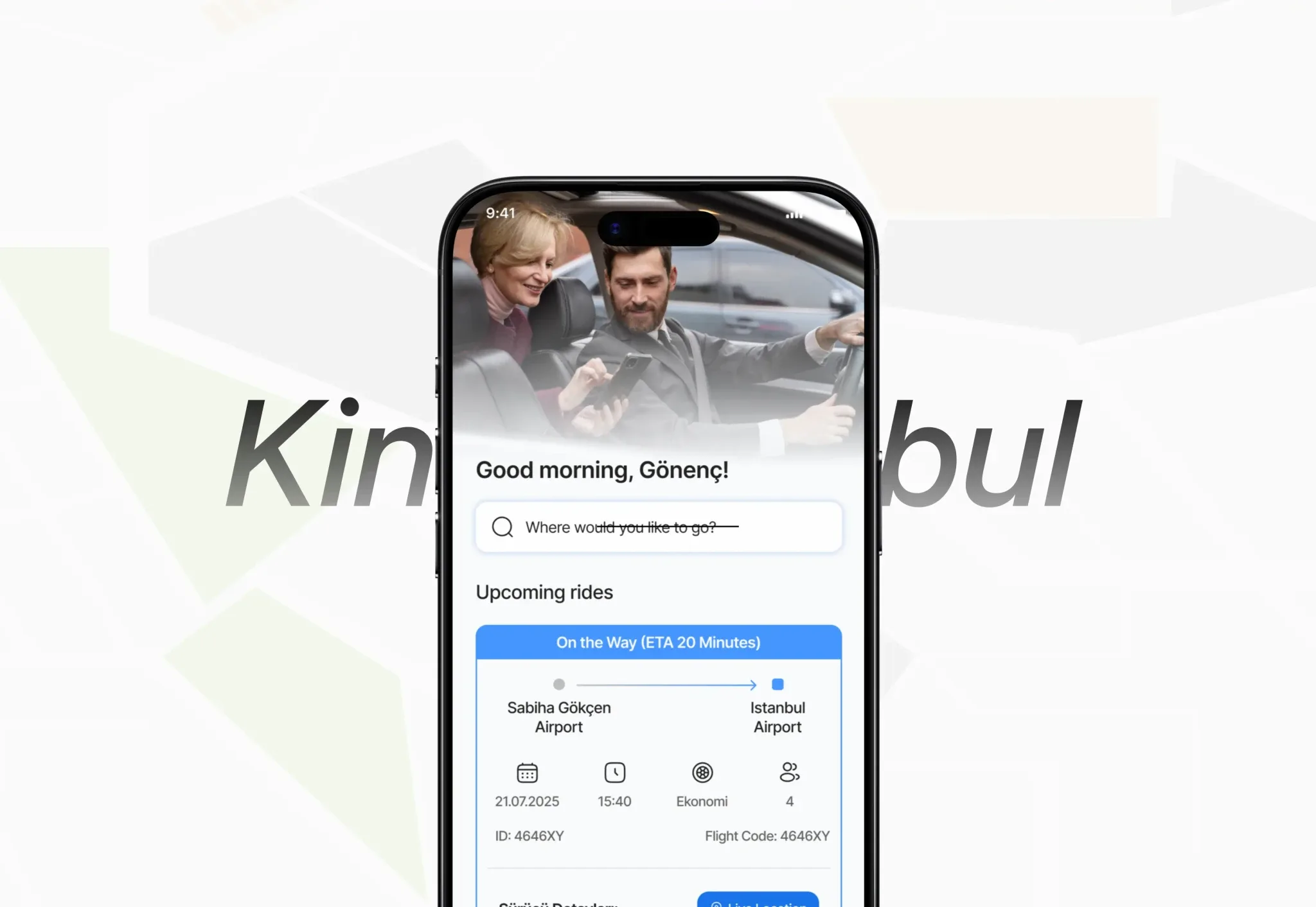
Kelebek is closed network dispatch, connecting hotels, drivers, and admins who already have a working relationship, organized into three panels that keep each role's daily tasks clear and repeatable. King Istanbul is open consumer booking. Any traveler can choose a vehicle type, book instantly or ahead of time, and pay inside the app without any prior relationship to the driver. A large scale ride hailing marketplace is a third real pattern. It operates across an entire city with thousands of independent drivers who have no prior relationship to the platform at all. Neon Apps has not built at that scale, since it carries a level of regulatory, insurance, and driver vetting overhead well beyond either of these two projects.
Matching the structure to the actual relationship changes what gets built first:
Choose closed network dispatch when the business already has drivers or partners, and focus the build on coordination and record keeping rather than discovery
Choose open consumer booking when the product needs to attract both riders and drivers with no existing relationship, and invest early in trust signals and driver supply
Avoid building for large scale, multi operator ride hailing unless the regulatory and insurance groundwork is already part of the plan, since the technology is the smaller half of that problem
Most founders in this category are closer to Kelebek or King Istanbul's scale than to a citywide operator's. The right first version usually reflects that honestly, instead of over building for a scale the business has not reached yet.
How to Scope the First Version
Most ride and dispatch apps fail on real time reliability, not on the booking flow itself. A first version that gets tracking and status updates right beats one with more features and a shakier live experience.
Pick closed network or open booking first, since Kelebek's three panel coordination and King Istanbul's consumer booking flow are genuinely different builds
Design the real time location and status system early, since a rider or an admin who cannot trust where a driver actually is loses confidence in the entire app immediately
Decide how money moves, in app payment, an internal balance ledger, or something else, before the booking screens get built, since that decision shapes the entire backend
Teams that treat real time reliability as a detail to polish later usually end up rebuilding the location and status layer after launch. That happens once real trips expose the gaps a demo never showed.
What a Realistic Build Timeline Looks Like
Shipped examples in this category both took about three months despite serving very different audiences, and four stages make up that window.
Discovery and scope, where the team locks the network structure, the payment or balance model, and the real time tracking requirements before any screen gets designed
Core build, the largest block on the calendar, where booking or dispatch, live tracking, and the role specific panels or screens come together against that locked scope
Real time and load testing, run against actual concurrent trips rather than one test booking at a time, since sync issues only appear under real simultaneous use
Launch and monitor, the first few weeks live, when real trip volume tests whether the tracking and dispatch logic hold up outside a controlled demo
Skipping real time load testing is the most common reason a dispatch system that worked perfectly for one trip at a time starts showing delays or sync errors. Several trips running at once expose problems a single test booking never will.

Four Things That Move the Budget and Timeline
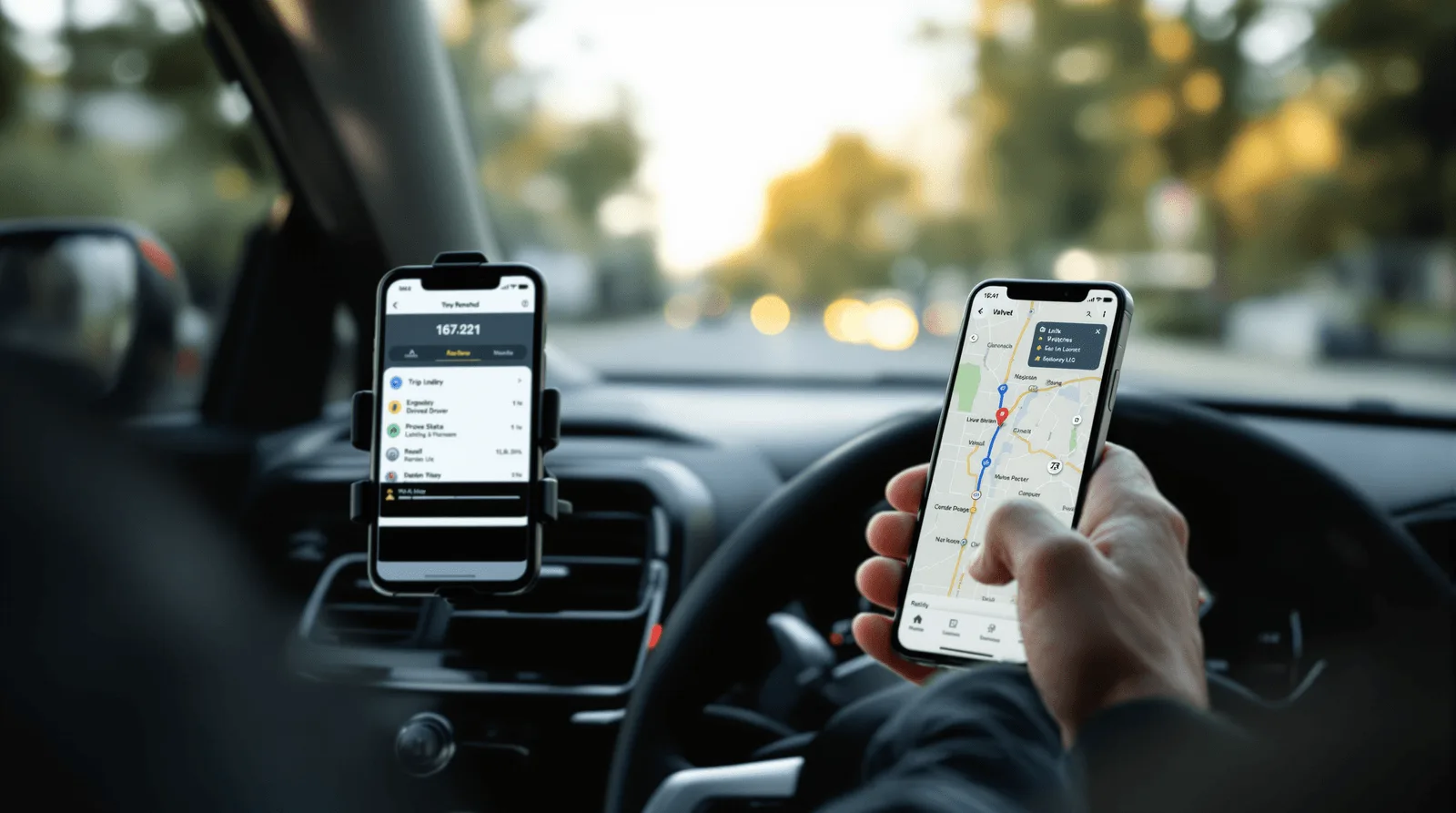
These four factors move the budget on a ride and dispatch app more than anything else in the brief:
The number of distinct roles or panels, since Kelebek's three sided hotel, driver, and admin structure took more coordination logic than a simpler two sided rider and driver app would
Real time tracking depth, since live location, arrival estimates, and status sync all add engineering work well beyond a basic booking form
Payment model, since King Istanbul's in app secure payment is a different build than Kelebek's internal balance and transaction tracking between hotels and drivers
Localization, since King Istanbul's multilingual support for travelers added scope that a single language, closed network tool like Kelebek never needed
Neon Apps shipped both Kelebek and King Istanbul in about three months, which suggests role count and payment complexity, not audience size, were the bigger factors in each case. A three sided B2B tool and a consumer facing booking app landed in the same window for very different reasons.
What This Costs Beyond the Build Fee
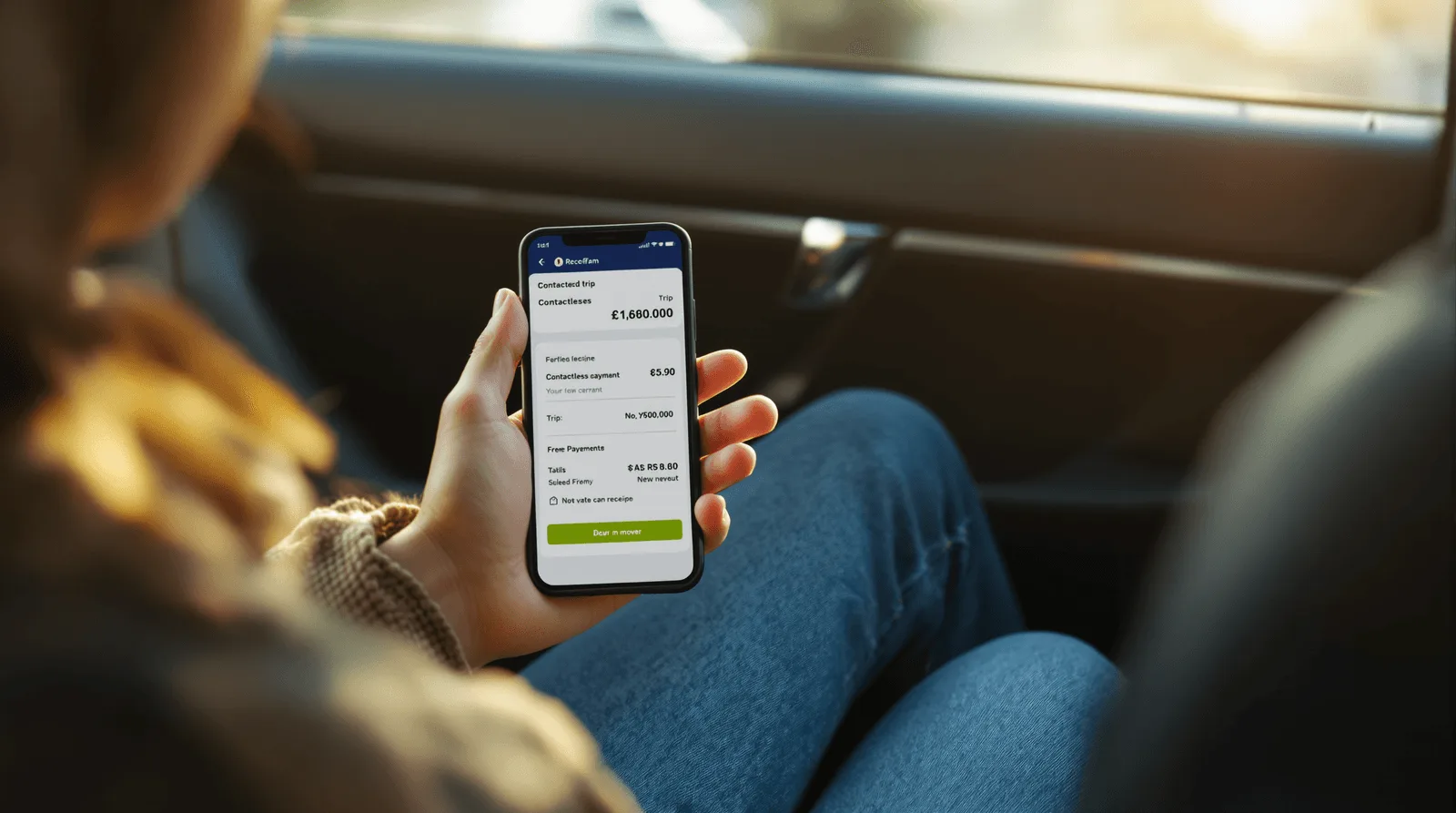
The build fee covers the app. Mapping, messaging, and payment services layer real ongoing cost on top of it.
Mapping and location API fees, from providers like Google Maps, which power live tracking and routing and bill by usage rather than a flat rate
Payment processing fees, for any app handling money directly the way King Istanbul does, on top of whatever gateway like Stripe the build integrates
SMS and notification services, from providers like Twilio, for trip alerts and status updates that need to reach a phone reliably and immediately
According to 2026 industry estimates, hidden costs like mapping APIs and hosting at scale typically add 15 to 25 percent on top of the original build quote. That extra cost shows up during the first year of live operation. That is not a rounding error, and it belongs in the budget conversation before launch, not after the first invoice arrives.
Where These Apps Break in Production
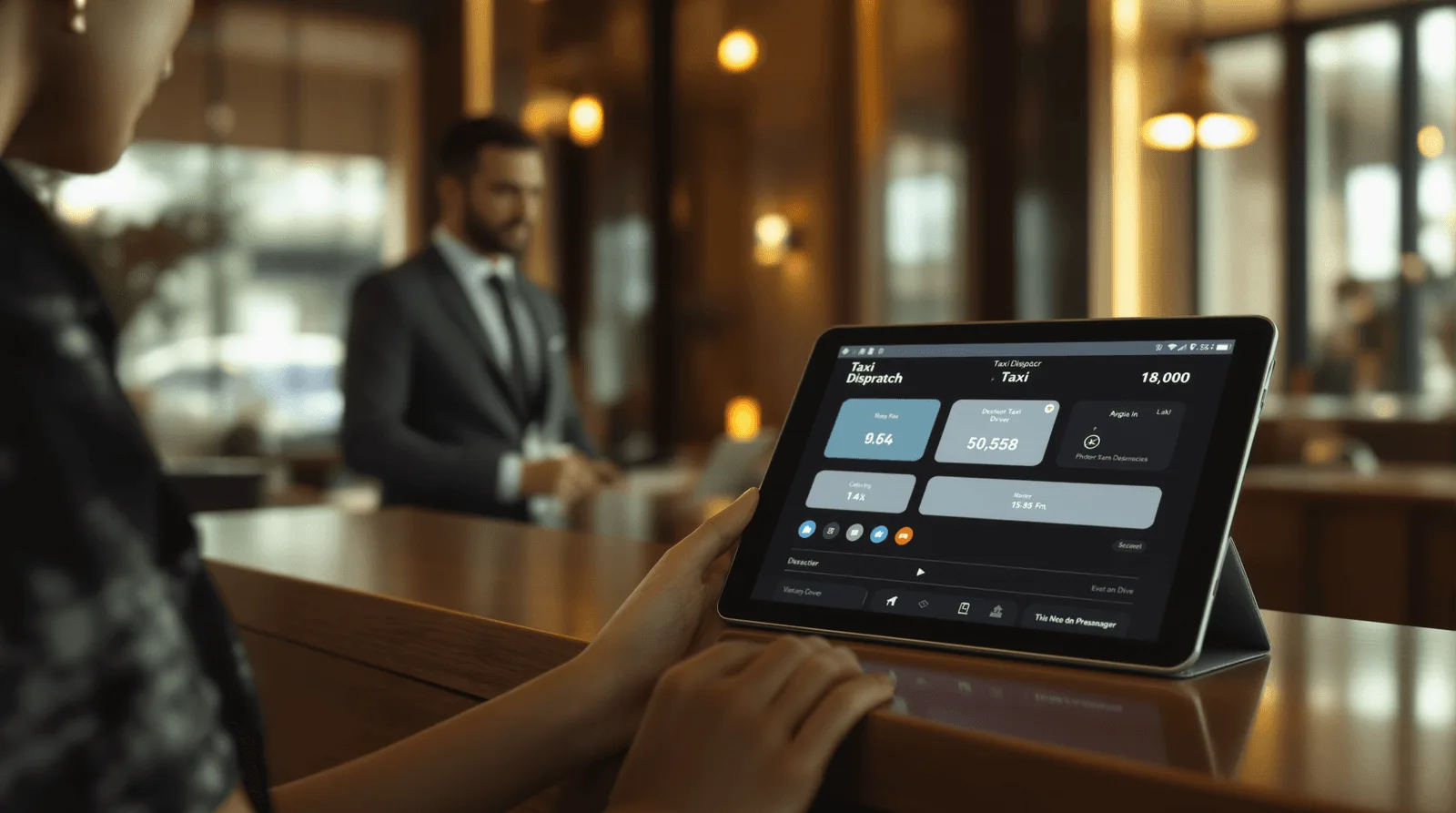
The booking flow itself rarely fails. The real time layer underneath it does.
Location drift or lag, since a driver's shown position falling behind their actual one erodes trust fast, especially for a rider watching a map and waiting
Double booking or dispatch conflicts, since two panels or two devices acting on the same trip at once without proper sync can create a conflict neither side sees coming
Payment or balance mismatches, since any gap between what a trip actually cost and what got recorded turns into a dispute that damages trust on both sides
Driver supply gaps, since even a closed network can run short at peak times, and an open booking app can fail entirely if driver supply never catches up to demand
None of this shows up in a demo with one booking and one driver moving calmly across a map. It shows up during a real rush. That is why load testing against realistic concurrent trip volume belongs in the build plan, not as a lesson learned after the first busy weekend. A team that only ever tested one trip at a time has no real evidence the system holds up under ten.
Ride Booking and Dispatch Apps We Have Shipped
Neon Apps has built two apps in this category, each structured around a different kind of driver relationship.
Project | Client | Year | Build time | What it solved |
Stealth Startup | 2025 | 3 months | Three panel hotel taxi dispatch connecting hotels, drivers, and admins | |
King Istanbul | 2025 | 3 months | Premium on demand ride booking with in app payment for travelers |
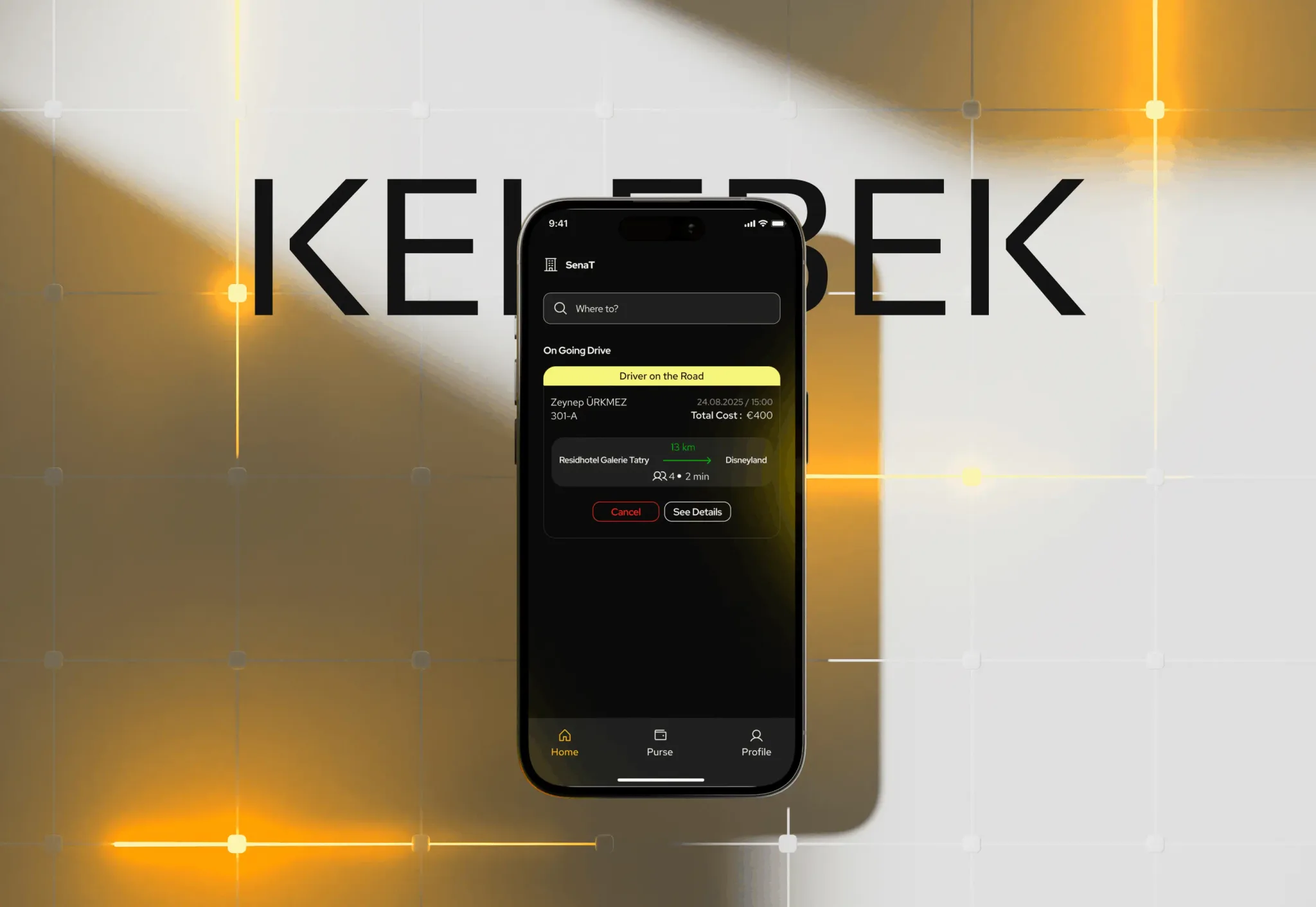
Kelebek and King Istanbul solve dispatch from opposite starting points. Kelebek assumes the driver relationship already exists, so its three panels focus entirely on removing calls and paperwork from coordination that used to happen manually between hotels and drivers. Nothing in that build has to convince a stranger to trust another stranger, since the relationship was already there. King Istanbul assumes no relationship exists yet, so it invests in vehicle category choice, real time tracking, and secure in app payment to build rider confidence from a cold start. Both share the same underlying need for real time accuracy, even though one tracks trips for internal balance records and the other for a paying customer watching a map. Neither one could substitute a rough estimate for an actual live position without losing the trust that makes the whole system work. Planning custom software development around which relationship the app is actually coordinating, closed or open, is what let both ship in about three months despite serving very different audiences.
related projects
FAQ
What is a ride booking and dispatch app?
What does Neon Apps bring to a ride and dispatch app project?
Should the app support a closed network or open booking?
How does Neon Apps scope a ride and dispatch app project?
How long and how much does a ride booking app cost to build?
Stay Inspired
Get fresh design insights, articles, and resources delivered straight to your inbox.
Get stories, insights, and updates from the Neon Apps team straight to your inbox.
Latest Blogs
Stay Inspired
Get stories, insights, and updates from the Neon Apps team straight to your inbox.
Got a project?
Let's Connect
Got a project? We build world-class mobile and web apps for startups and global brands.
Neon Apps is a product development company building mobile, web, and SaaS products with an 85-member in-house team in Istanbul and New York, delivering scalable products as a long-term development partner.
Industries

Development
How to Build a Ride Booking and Dispatch App
A ride booking and dispatch app has to coordinate more than a booking—it has to keep drivers, riders, and real-time trip data moving together. This guide breaks down the architecture, cost, and timeline behind building a reliable ride app around the driver network you actually have.
Who the driver actually belongs to
Every ride app has to answer one structural question before anything else. Are drivers part of a closed network the business already controls, or an open pool the app has to attract and manage on the fly? This guide covers the architecture, cost, and timeline that follow from that answer.
What a Ride Booking and Dispatch App Actually Does
A ride booking and dispatch app connects someone who needs a ride with a driver. It then coordinates the trip through real time location, status updates, and some form of payment or balance tracking. The global ride hailing services market is valued at 55.1 billion dollars in 2026, according to 2026 industry research, and is projected to reach 181.5 billion dollars by 2033. The app itself mainly handles matching or dispatch, live location tracking, and the record keeping that lets every party trust what actually happened on a trip. None of this requires reinventing mapping or routing from scratch. It requires deciding how closed or open the driver network is, how real time the tracking needs to be, and how money or balances move between everyone involved. Those three decisions, more than any single feature, determine what the rest of the build actually looks like.

Two Ways to Structure Dispatch
Not every ride app is solving the same dispatch problem, and the real structures need different architecture.
Structure | Best for | Tradeoff |
Closed network dispatch | An existing fleet or partner relationship | Less discovery needed, but limited to that network |
Open consumer booking | Mass market, on demand rides | Needs broader driver supply and trust building |
Large scale ride hailing marketplace | City wide, multi operator scale | Heavy regulatory, insurance, and vetting overhead |
Kelebek is closed network dispatch, connecting hotels, drivers, and admins who already have a working relationship, organized into three panels that keep each role's daily tasks clear and repeatable. King Istanbul is open consumer booking. Any traveler can choose a vehicle type, book instantly or ahead of time, and pay inside the app without any prior relationship to the driver. A large scale ride hailing marketplace is a third real pattern. It operates across an entire city with thousands of independent drivers who have no prior relationship to the platform at all. Neon Apps has not built at that scale, since it carries a level of regulatory, insurance, and driver vetting overhead well beyond either of these two projects.
Matching the structure to the actual relationship changes what gets built first:
Choose closed network dispatch when the business already has drivers or partners, and focus the build on coordination and record keeping rather than discovery
Choose open consumer booking when the product needs to attract both riders and drivers with no existing relationship, and invest early in trust signals and driver supply
Avoid building for large scale, multi operator ride hailing unless the regulatory and insurance groundwork is already part of the plan, since the technology is the smaller half of that problem
Most founders in this category are closer to Kelebek or King Istanbul's scale than to a citywide operator's. The right first version usually reflects that honestly, instead of over building for a scale the business has not reached yet.
How to Scope the First Version
Most ride and dispatch apps fail on real time reliability, not on the booking flow itself. A first version that gets tracking and status updates right beats one with more features and a shakier live experience.
Pick closed network or open booking first, since Kelebek's three panel coordination and King Istanbul's consumer booking flow are genuinely different builds
Design the real time location and status system early, since a rider or an admin who cannot trust where a driver actually is loses confidence in the entire app immediately
Decide how money moves, in app payment, an internal balance ledger, or something else, before the booking screens get built, since that decision shapes the entire backend
Teams that treat real time reliability as a detail to polish later usually end up rebuilding the location and status layer after launch. That happens once real trips expose the gaps a demo never showed.
What a Realistic Build Timeline Looks Like
Shipped examples in this category both took about three months despite serving very different audiences, and four stages make up that window.
Discovery and scope, where the team locks the network structure, the payment or balance model, and the real time tracking requirements before any screen gets designed
Core build, the largest block on the calendar, where booking or dispatch, live tracking, and the role specific panels or screens come together against that locked scope
Real time and load testing, run against actual concurrent trips rather than one test booking at a time, since sync issues only appear under real simultaneous use
Launch and monitor, the first few weeks live, when real trip volume tests whether the tracking and dispatch logic hold up outside a controlled demo
Skipping real time load testing is the most common reason a dispatch system that worked perfectly for one trip at a time starts showing delays or sync errors. Several trips running at once expose problems a single test booking never will.


Four Things That Move the Budget and Timeline
These four factors move the budget on a ride and dispatch app more than anything else in the brief:
The number of distinct roles or panels, since Kelebek's three sided hotel, driver, and admin structure took more coordination logic than a simpler two sided rider and driver app would
Real time tracking depth, since live location, arrival estimates, and status sync all add engineering work well beyond a basic booking form
Payment model, since King Istanbul's in app secure payment is a different build than Kelebek's internal balance and transaction tracking between hotels and drivers
Localization, since King Istanbul's multilingual support for travelers added scope that a single language, closed network tool like Kelebek never needed
Neon Apps shipped both Kelebek and King Istanbul in about three months, which suggests role count and payment complexity, not audience size, were the bigger factors in each case. A three sided B2B tool and a consumer facing booking app landed in the same window for very different reasons.
What This Costs Beyond the Build Fee
The build fee covers the app. Mapping, messaging, and payment services layer real ongoing cost on top of it.
Mapping and location API fees, from providers like Google Maps, which power live tracking and routing and bill by usage rather than a flat rate
Payment processing fees, for any app handling money directly the way King Istanbul does, on top of whatever gateway like Stripe the build integrates
SMS and notification services, from providers like Twilio, for trip alerts and status updates that need to reach a phone reliably and immediately
According to 2026 industry estimates, hidden costs like mapping APIs and hosting at scale typically add 15 to 25 percent on top of the original build quote. That extra cost shows up during the first year of live operation. That is not a rounding error, and it belongs in the budget conversation before launch, not after the first invoice arrives.

Where These Apps Break in Production
The booking flow itself rarely fails. The real time layer underneath it does.
Location drift or lag, since a driver's shown position falling behind their actual one erodes trust fast, especially for a rider watching a map and waiting
Double booking or dispatch conflicts, since two panels or two devices acting on the same trip at once without proper sync can create a conflict neither side sees coming
Payment or balance mismatches, since any gap between what a trip actually cost and what got recorded turns into a dispute that damages trust on both sides
Driver supply gaps, since even a closed network can run short at peak times, and an open booking app can fail entirely if driver supply never catches up to demand
None of this shows up in a demo with one booking and one driver moving calmly across a map. It shows up during a real rush. That is why load testing against realistic concurrent trip volume belongs in the build plan, not as a lesson learned after the first busy weekend. A team that only ever tested one trip at a time has no real evidence the system holds up under ten.
Ride Booking and Dispatch Apps We Have Shipped
Neon Apps has built two apps in this category, each structured around a different kind of driver relationship.
Project | Client | Year | Build time | What it solved |
Stealth Startup | 2025 | 3 months | Three panel hotel taxi dispatch connecting hotels, drivers, and admins | |
King Istanbul | 2025 | 3 months | Premium on demand ride booking with in app payment for travelers |
Kelebek and King Istanbul solve dispatch from opposite starting points. Kelebek assumes the driver relationship already exists, so its three panels focus entirely on removing calls and paperwork from coordination that used to happen manually between hotels and drivers. Nothing in that build has to convince a stranger to trust another stranger, since the relationship was already there. King Istanbul assumes no relationship exists yet, so it invests in vehicle category choice, real time tracking, and secure in app payment to build rider confidence from a cold start. Both share the same underlying need for real time accuracy, even though one tracks trips for internal balance records and the other for a paying customer watching a map. Neither one could substitute a rough estimate for an actual live position without losing the trust that makes the whole system work. Planning custom software development around which relationship the app is actually coordinating, closed or open, is what let both ship in about three months despite serving very different audiences.
related projects
FAQ
What is a ride booking and dispatch app?
What does Neon Apps bring to a ride and dispatch app project?
Should the app support a closed network or open booking?
How does Neon Apps scope a ride and dispatch app project?
How long and how much does a ride booking app cost to build?
Stay Inspired
Get fresh design insights, articles, and resources delivered straight to your inbox.
Get stories, insights, and updates from the Neon Apps team straight to your inbox.
Latest Blogs
Stay Inspired
Get stories, insights, and updates from the Neon Apps team straight to your inbox.
Got a project?
Let's Connect
Got a project? We build world-class mobile and web apps for startups and global brands.
Neon Apps is a product development company building mobile, web, and SaaS products with an 85-member in-house team in Istanbul and New York, delivering scalable products as a long-term development partner.
Industries

Development
How to Build a Ride Booking and Dispatch App
A ride booking and dispatch app has to coordinate more than a booking—it has to keep drivers, riders, and real-time trip data moving together. This guide breaks down the architecture, cost, and timeline behind building a reliable ride app around the driver network you actually have.
Who the driver actually belongs to
Every ride app has to answer one structural question before anything else. Are drivers part of a closed network the business already controls, or an open pool the app has to attract and manage on the fly? This guide covers the architecture, cost, and timeline that follow from that answer.
What a Ride Booking and Dispatch App Actually Does
A ride booking and dispatch app connects someone who needs a ride with a driver. It then coordinates the trip through real time location, status updates, and some form of payment or balance tracking. The global ride hailing services market is valued at 55.1 billion dollars in 2026, according to 2026 industry research, and is projected to reach 181.5 billion dollars by 2033. The app itself mainly handles matching or dispatch, live location tracking, and the record keeping that lets every party trust what actually happened on a trip. None of this requires reinventing mapping or routing from scratch. It requires deciding how closed or open the driver network is, how real time the tracking needs to be, and how money or balances move between everyone involved. Those three decisions, more than any single feature, determine what the rest of the build actually looks like.

Two Ways to Structure Dispatch
Not every ride app is solving the same dispatch problem, and the real structures need different architecture.
Structure | Best for | Tradeoff |
Closed network dispatch | An existing fleet or partner relationship | Less discovery needed, but limited to that network |
Open consumer booking | Mass market, on demand rides | Needs broader driver supply and trust building |
Large scale ride hailing marketplace | City wide, multi operator scale | Heavy regulatory, insurance, and vetting overhead |
Kelebek is closed network dispatch, connecting hotels, drivers, and admins who already have a working relationship, organized into three panels that keep each role's daily tasks clear and repeatable. King Istanbul is open consumer booking. Any traveler can choose a vehicle type, book instantly or ahead of time, and pay inside the app without any prior relationship to the driver. A large scale ride hailing marketplace is a third real pattern. It operates across an entire city with thousands of independent drivers who have no prior relationship to the platform at all. Neon Apps has not built at that scale, since it carries a level of regulatory, insurance, and driver vetting overhead well beyond either of these two projects.
Matching the structure to the actual relationship changes what gets built first:
Choose closed network dispatch when the business already has drivers or partners, and focus the build on coordination and record keeping rather than discovery
Choose open consumer booking when the product needs to attract both riders and drivers with no existing relationship, and invest early in trust signals and driver supply
Avoid building for large scale, multi operator ride hailing unless the regulatory and insurance groundwork is already part of the plan, since the technology is the smaller half of that problem
Most founders in this category are closer to Kelebek or King Istanbul's scale than to a citywide operator's. The right first version usually reflects that honestly, instead of over building for a scale the business has not reached yet.
How to Scope the First Version
Most ride and dispatch apps fail on real time reliability, not on the booking flow itself. A first version that gets tracking and status updates right beats one with more features and a shakier live experience.
Pick closed network or open booking first, since Kelebek's three panel coordination and King Istanbul's consumer booking flow are genuinely different builds
Design the real time location and status system early, since a rider or an admin who cannot trust where a driver actually is loses confidence in the entire app immediately
Decide how money moves, in app payment, an internal balance ledger, or something else, before the booking screens get built, since that decision shapes the entire backend
Teams that treat real time reliability as a detail to polish later usually end up rebuilding the location and status layer after launch. That happens once real trips expose the gaps a demo never showed.
What a Realistic Build Timeline Looks Like
Shipped examples in this category both took about three months despite serving very different audiences, and four stages make up that window.
Discovery and scope, where the team locks the network structure, the payment or balance model, and the real time tracking requirements before any screen gets designed
Core build, the largest block on the calendar, where booking or dispatch, live tracking, and the role specific panels or screens come together against that locked scope
Real time and load testing, run against actual concurrent trips rather than one test booking at a time, since sync issues only appear under real simultaneous use
Launch and monitor, the first few weeks live, when real trip volume tests whether the tracking and dispatch logic hold up outside a controlled demo
Skipping real time load testing is the most common reason a dispatch system that worked perfectly for one trip at a time starts showing delays or sync errors. Several trips running at once expose problems a single test booking never will.


Four Things That Move the Budget and Timeline
These four factors move the budget on a ride and dispatch app more than anything else in the brief:
The number of distinct roles or panels, since Kelebek's three sided hotel, driver, and admin structure took more coordination logic than a simpler two sided rider and driver app would
Real time tracking depth, since live location, arrival estimates, and status sync all add engineering work well beyond a basic booking form
Payment model, since King Istanbul's in app secure payment is a different build than Kelebek's internal balance and transaction tracking between hotels and drivers
Localization, since King Istanbul's multilingual support for travelers added scope that a single language, closed network tool like Kelebek never needed
Neon Apps shipped both Kelebek and King Istanbul in about three months, which suggests role count and payment complexity, not audience size, were the bigger factors in each case. A three sided B2B tool and a consumer facing booking app landed in the same window for very different reasons.
What This Costs Beyond the Build Fee
The build fee covers the app. Mapping, messaging, and payment services layer real ongoing cost on top of it.
Mapping and location API fees, from providers like Google Maps, which power live tracking and routing and bill by usage rather than a flat rate
Payment processing fees, for any app handling money directly the way King Istanbul does, on top of whatever gateway like Stripe the build integrates
SMS and notification services, from providers like Twilio, for trip alerts and status updates that need to reach a phone reliably and immediately
According to 2026 industry estimates, hidden costs like mapping APIs and hosting at scale typically add 15 to 25 percent on top of the original build quote. That extra cost shows up during the first year of live operation. That is not a rounding error, and it belongs in the budget conversation before launch, not after the first invoice arrives.

Where These Apps Break in Production
The booking flow itself rarely fails. The real time layer underneath it does.
Location drift or lag, since a driver's shown position falling behind their actual one erodes trust fast, especially for a rider watching a map and waiting
Double booking or dispatch conflicts, since two panels or two devices acting on the same trip at once without proper sync can create a conflict neither side sees coming
Payment or balance mismatches, since any gap between what a trip actually cost and what got recorded turns into a dispute that damages trust on both sides
Driver supply gaps, since even a closed network can run short at peak times, and an open booking app can fail entirely if driver supply never catches up to demand
None of this shows up in a demo with one booking and one driver moving calmly across a map. It shows up during a real rush. That is why load testing against realistic concurrent trip volume belongs in the build plan, not as a lesson learned after the first busy weekend. A team that only ever tested one trip at a time has no real evidence the system holds up under ten.
Ride Booking and Dispatch Apps We Have Shipped
Neon Apps has built two apps in this category, each structured around a different kind of driver relationship.
Project | Client | Year | Build time | What it solved |
Stealth Startup | 2025 | 3 months | Three panel hotel taxi dispatch connecting hotels, drivers, and admins | |
King Istanbul | 2025 | 3 months | Premium on demand ride booking with in app payment for travelers |
Kelebek and King Istanbul solve dispatch from opposite starting points. Kelebek assumes the driver relationship already exists, so its three panels focus entirely on removing calls and paperwork from coordination that used to happen manually between hotels and drivers. Nothing in that build has to convince a stranger to trust another stranger, since the relationship was already there. King Istanbul assumes no relationship exists yet, so it invests in vehicle category choice, real time tracking, and secure in app payment to build rider confidence from a cold start. Both share the same underlying need for real time accuracy, even though one tracks trips for internal balance records and the other for a paying customer watching a map. Neither one could substitute a rough estimate for an actual live position without losing the trust that makes the whole system work. Planning custom software development around which relationship the app is actually coordinating, closed or open, is what let both ship in about three months despite serving very different audiences.
related projects
FAQ
What is a ride booking and dispatch app?
What does Neon Apps bring to a ride and dispatch app project?
Should the app support a closed network or open booking?
How does Neon Apps scope a ride and dispatch app project?
How long and how much does a ride booking app cost to build?
Stay Inspired
Get fresh design insights, articles, and resources delivered straight to your inbox.
Get stories, insights, and updates from the Neon Apps team straight to your inbox.
Latest Blogs
Stay Inspired
Get stories, insights, and updates from the Neon Apps team straight to your inbox.
Got a project?
Let's Connect
Got a project? We build world-class mobile and web apps for startups and global brands.
Neon Apps is a product development company building mobile, web, and SaaS products with an 85-member in-house team in Istanbul and New York, delivering scalable products as a long-term development partner.
Industries