
Business Development & Marketing SpecialistSeptember 22, 2026
Across the 600+ mobile and web products our team has shipped, the question first time founders ask most often is simple: who should actually build this. Blushy, Ooba, and Dr. Pet all started in that same spot, an idea and no clear path from concept to app store. Mobile app development has more entry points in 2026 than it did even two years ago, spanning full service agencies, independent freelancers, and a fast growing set of AI assisted tools. This guide breaks down the real options for getting a mobile app built and how to choose between them. It also covers which platform decisions matter early, what a realistic timeline looks like, and what the process feels like once you actually sign on with a team.
What Getting an App Built Actually Means
Mobile app development partner: a team or individual responsible for turning a product idea into a working, published application, covering technical architecture, interface design, quality testing, and app store submission through to post launch support.
Founders often assume building an app means writing code. In practice the work splits across several disciplines. Product strategy decides what actually ships in version one. Interface design determines whether users understand the product in the first ten seconds. Engineering spans iOS, Android, and backend systems. A submission process governed by Apple’s and Google’s review rules rejects a meaningful share of first time submissions. A development partner, whether that is one freelancer or a full studio, needs to cover all four areas or bring in specialists who do.
The scope also shifts depending on stage. A pre seed founder validating demand needs something closer to a focused prototype with one core flow. A funded team preparing a public launch needs production grade code, monitoring, and a support plan for the weeks after release, when most bug reports and app store reviews arrive. Skipping straight to a full feature build before validating demand is one of the most common, and most expensive, mistakes founders make in year one.
Agency, Freelancer, or AI Tool: Three Ways to Build in 2026
The three paths below cover almost every founder we talk to, and each one fits a different stage and budget rather than one being objectively best.
Factor | Agency | Freelancer | AI powered / no code tool |
Best for | Funded startups, enterprise projects | Simple MVPs, tight budgets | Non technical founders testing an idea |
Typical cost | Highest | Mid range | Lowest |
Speed to first version | Structured, several weeks | Depends on availability | Fastest, often days |
Code ownership | Full, production ready codebase | Usually yes, quality varies | Often limited or platform locked |
Long term support | Built into the engagement | Rare past the initial build | Not designed for scaling |
An agency brings a full team, design, engineering, QA, and project management, under one contract, which matters once a bug in production needs three different specialists to fix on the same afternoon. The tradeoff is cost: you are paying for coordination and accountability, not just typing.
A freelancer can be the right call for a narrow, well specified MVP build, particularly when the founder already has enough technical judgment to review the work directly. The main risk is availability. Freelancers juggle multiple clients at once, and a single person leaving mid project can stall a launch for weeks while you search for a replacement who understands the existing code.
AI powered and no code tools have genuinely improved over the past two years. They excel at validating whether an idea deserves a real build at all, turning a rough concept into something clickable within days. Where they still fall short is anything that needs custom backend logic, real payment infrastructure, or a codebase an engineering team can extend later without a full rewrite.

Choosing Your Platform: iOS, Android, or Both
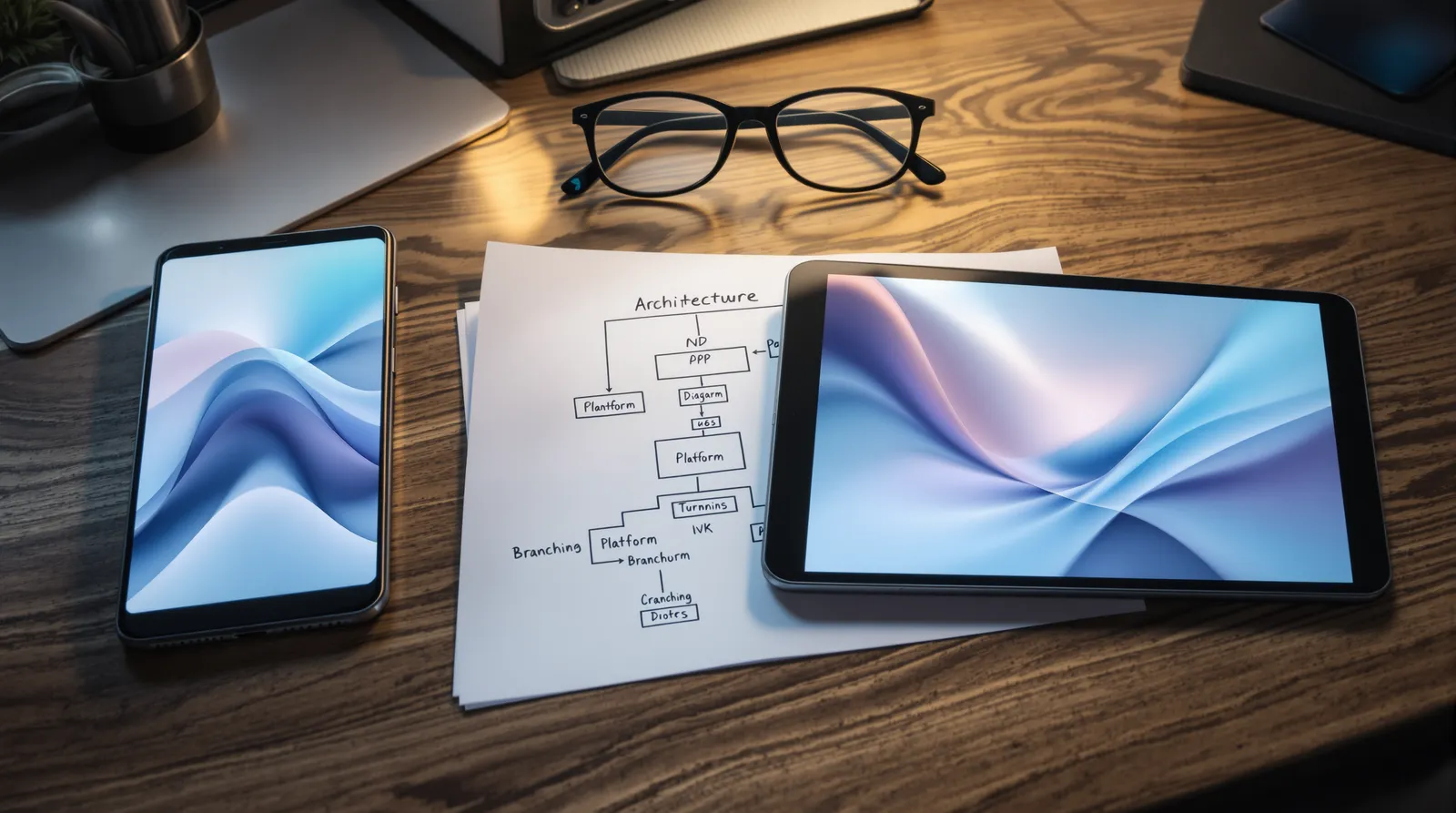
Most founders default to wanting both platforms, built natively, without weighing what that actually costs in time and budget. Native development, writing separate Swift code for iOS and separate Kotlin code for Android, produces the best raw performance and the deepest access to platform specific features. It also roughly doubles engineering time compared to a single shared codebase.
Cross platform frameworks close most of that gap. Our mobile app development team builds primarily in Flutter for cross platform projects, reaching iOS and Android from one codebase. The team moves to native Swift when a feature genuinely needs it, with deep hardware integration or platform specific performance work usually being the trigger. For most consumer apps in 2026, Flutter reaches feature parity with native fast enough that the cost savings outweigh a performance gap most users will never notice. The decision matters early, since switching frameworks mid build effectively means starting over.
The right platform choice depends on your audience more than on trend. A B2B tool used mostly on desktop and occasionally on mobile can often launch iOS only or Android only first, then expand once demand is proven. A consumer app competing for App Store visibility usually needs both platforms from day one, since discovery algorithms and word of mouth both favor apps available everywhere a user’s friends already are.
Can You Build an App With AI Tools Alone?
AI coding assistants have changed what a single founder can prototype alone, and that shift is real, not hype. Tools built for rapid interface generation and AI assisted coding can take a founder from idea to a clickable prototype in a single weekend, something that was simply unthinkable three years ago.
Where this approach runs into limits is scale and ownership. Apps that store sensitive user data, process real payments, or need to pass a security review before an enterprise client signs a contract usually outgrow AI generated code quickly. Generated code also tends to accumulate inconsistent patterns once a founder is stitching together suggestions from multiple prompts. That inconsistency slows down any engineer who inherits the project later, sometimes enough that a rewrite is faster than a repair.
Our honest framing for founders considering this path is simple. Use AI tools to prove the idea is worth building. Then bring in engineers who can turn that prototype into a codebase your company actually owns outright, free of platform lock in.
Real Industries, Real Builds
The shape of getting an app built changes by industry, and real examples explain this better than abstract advice.
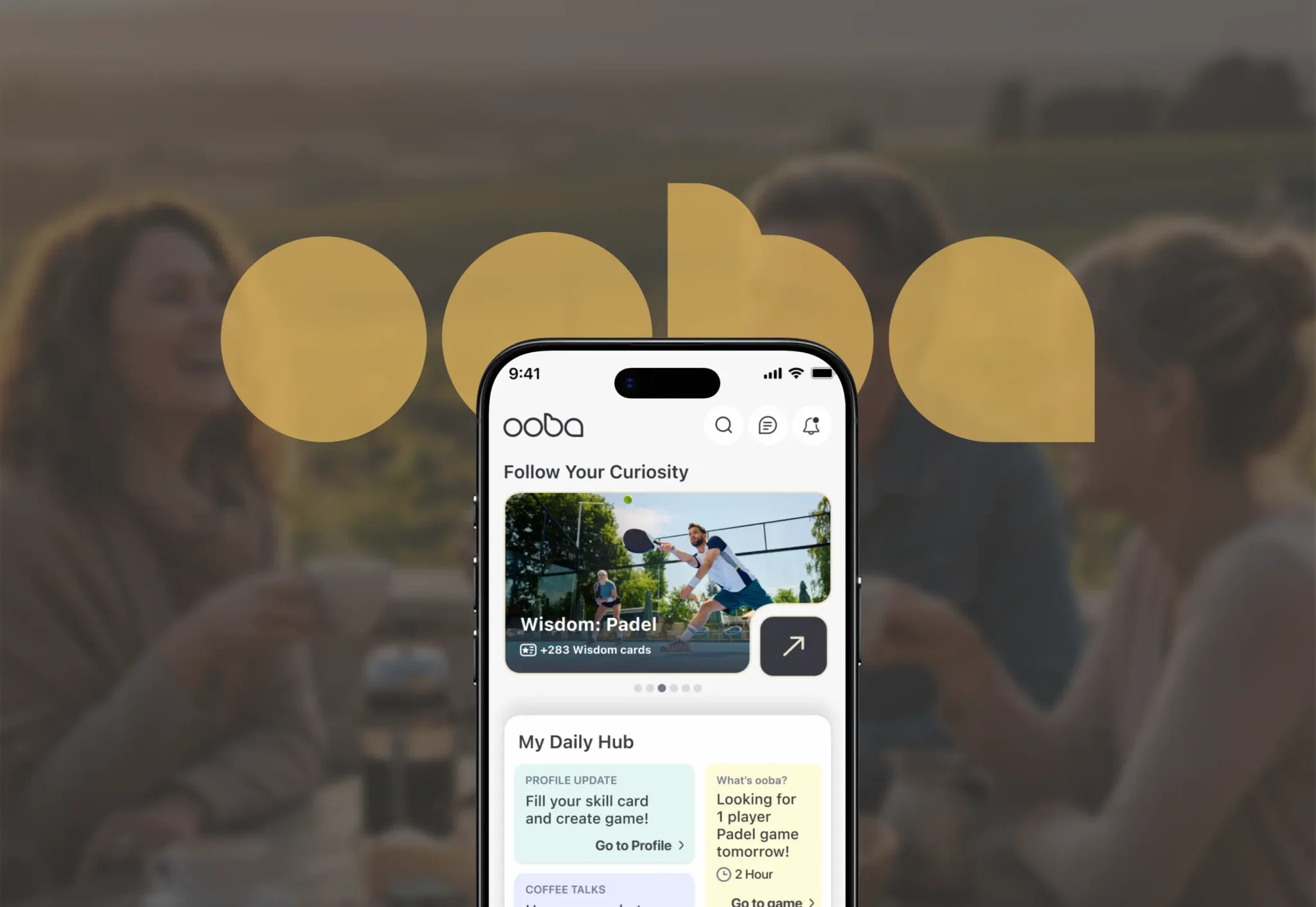
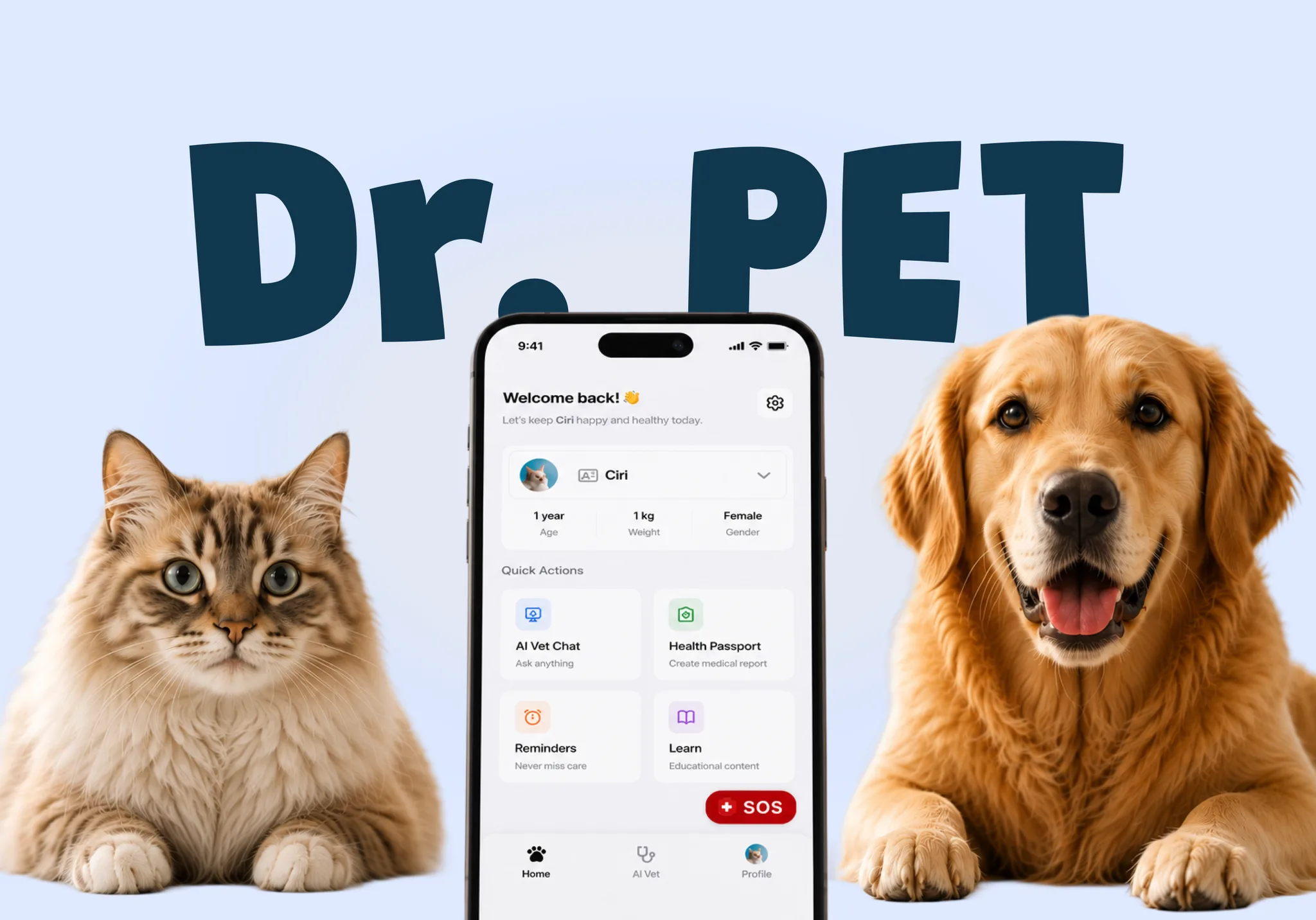
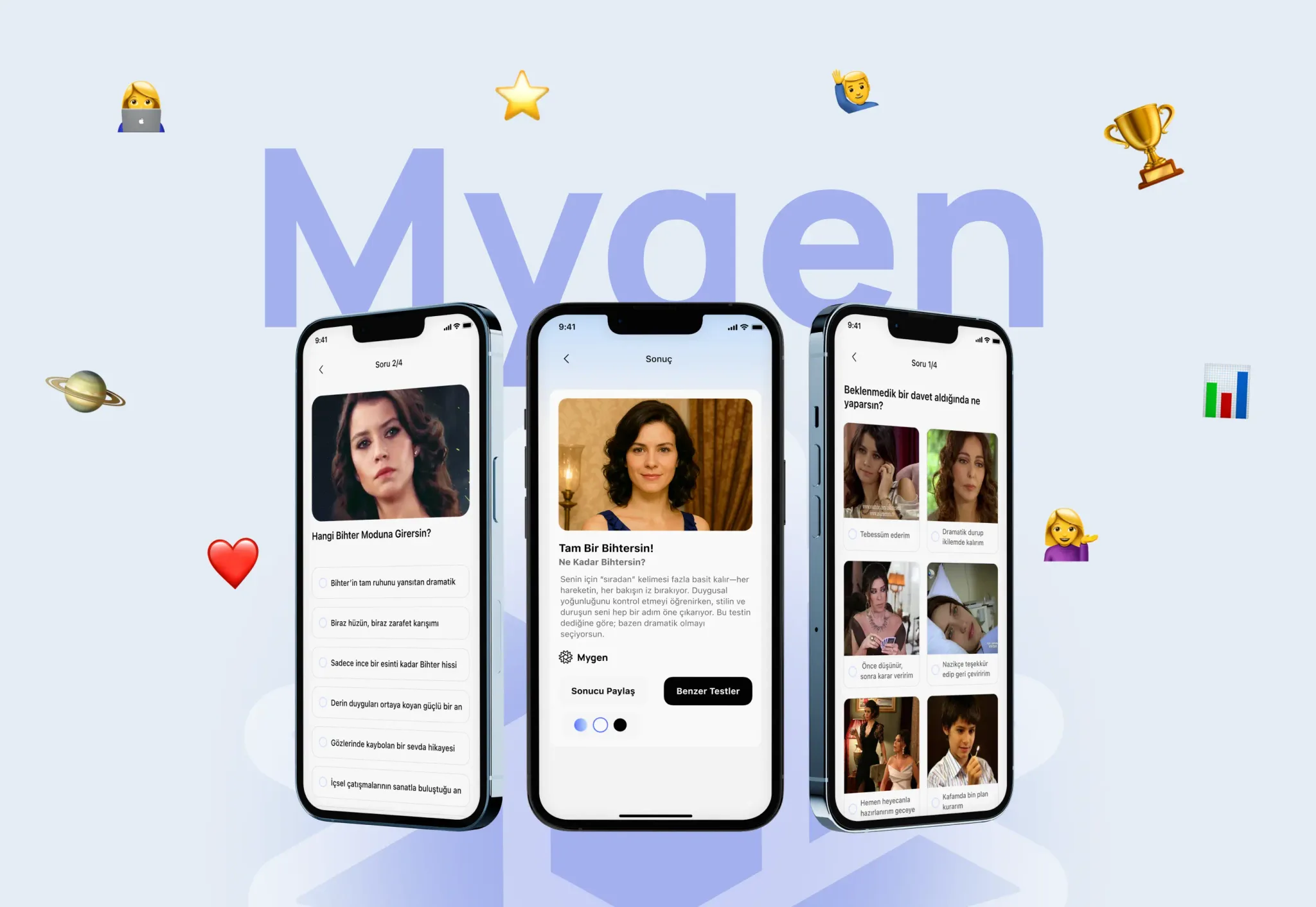
In health and wellness, Dr. Pet shipped as a pet care companion app in our health and wellness work. Trust and a calm, reliable user experience matter more than flashy features in that category, since users are often managing something they genuinely care about. In e commerce, Blushy launched as a consumer shopping app where checkout speed and product discovery directly drive revenue, so performance work was never optional from day one. In social and community products, Ooba and Mygen both shipped in categories, community engagement and quiz style interaction, where onboarding friction determines whether a user ever returns for a second session at all.
Across all three, the build process followed a similar shape. Each started with a tightly scoped first version rather than an ambitious full feature list. Each locked a platform decision early instead of revisiting it mid project once code already existed. Each shipped with a launch plan that accounted for app store review timelines, instead of treating submission as an afterthought tacked on at the end of the build.

How Long Does It Take to Build a Mobile App?
Timelines vary more than most founders expect going in. A tightly scoped MVP, one core flow, basic authentication, and a single primary feature, typically takes two to four months from kickoff to app store submission. A fuller product with multiple user roles, payment processing, and custom backend logic usually runs four to eight months. Enterprise builds with integrations into existing internal systems can extend well past that, largely because the integration work depends on systems the development team does not control and cannot rush.
The single biggest timeline risk is not development speed, it is scope creep after the build has already started. Locking the version one feature list before writing a line of code remains the most reliable way to hit a launch date. Teams that skip this step, adding features mid build because they seem easy, are consistently the ones who miss it.
The Cost of Getting Your Mobile App Built
A simple MVP typically starts in the low five figures, while an enterprise grade build with custom infrastructure can run well into six figures. Cost follows the same logic as timeline: it scales with scope, platform count, and how custom the backend needs to be. Design complexity and third party integrations, payments, mapping, or real time messaging among the common ones, tend to move the number more than founders expect. Our separate cost guide breaks down pricing by app type with a calculator for a more specific estimate.
How Startups Should Choose in 2026
If you have a validated idea and a limited budget, start with an experienced freelancer or a small studio for a focused MVP rather than a full agency engagement.
If you are funded and need a production ready app on a fixed timeline, work with an agency that owns design, engineering, and post launch support under one contract.
If you still need to test whether an idea is worth building at all, start with an AI powered no code tool. Plan to rebuild once real user data justifies the investment.
If your product needs both iOS and Android from launch day, a cross platform framework like Flutter usually beats native development on cost without a meaningful performance tradeoff.
If long term support and scaling matter as much as the first release, choose a partner who ships and maintains products, not one that only launches them and moves on.