Summarize with AI

Where the illusion breaks 

An AI chat companion only works as long as the conversation feels responsive and consistent. The moment a reply feels generic or forgets what was just said, the illusion breaks. This guide covers the architecture, cost, and timeline behind building one that holds up. 

What an AI Chat Companion App Actually Does 

An AI chat companion app uses a language model to hold a conversation with a user and respond to their messages. Most also maintain some sense of continuity across a session or over time. The AI companion apps market is projected to grow from 4.24 billion dollars in 2025 to 5.01 billion dollars in 2026, according to Research and Markets. The app itself mainly handles the chat interface, the prompt sent to the language model, and whatever memory or context gets carried from one message to the next. None of this requires training a language model from scratch. It requires picking the right model, designing a personality and tone that stays consistent, and deciding how much of a conversation history the app actually needs to remember. That last decision alone shapes both the cost and the complexity of everything built on top of it. 

Designer and developer reviewing AI chat companion conversation flow diagrams

The Three Shapes of a Chat Companion 

Not every companion app is having the same kind of conversation, and the three real shapes need different architecture. 

Shape 

Best for 

Tradeoff 

Direct conversational companion 

Always available emotional support or chat 

Needs careful safety and escalation design 

Coached practice companion 

Skill building with structured feedback 

Narrower scope, often needs a voice pipeline 

Reply and conversation assistant 

Helping a user in their own external conversation 

No persistent relationship, different input model 

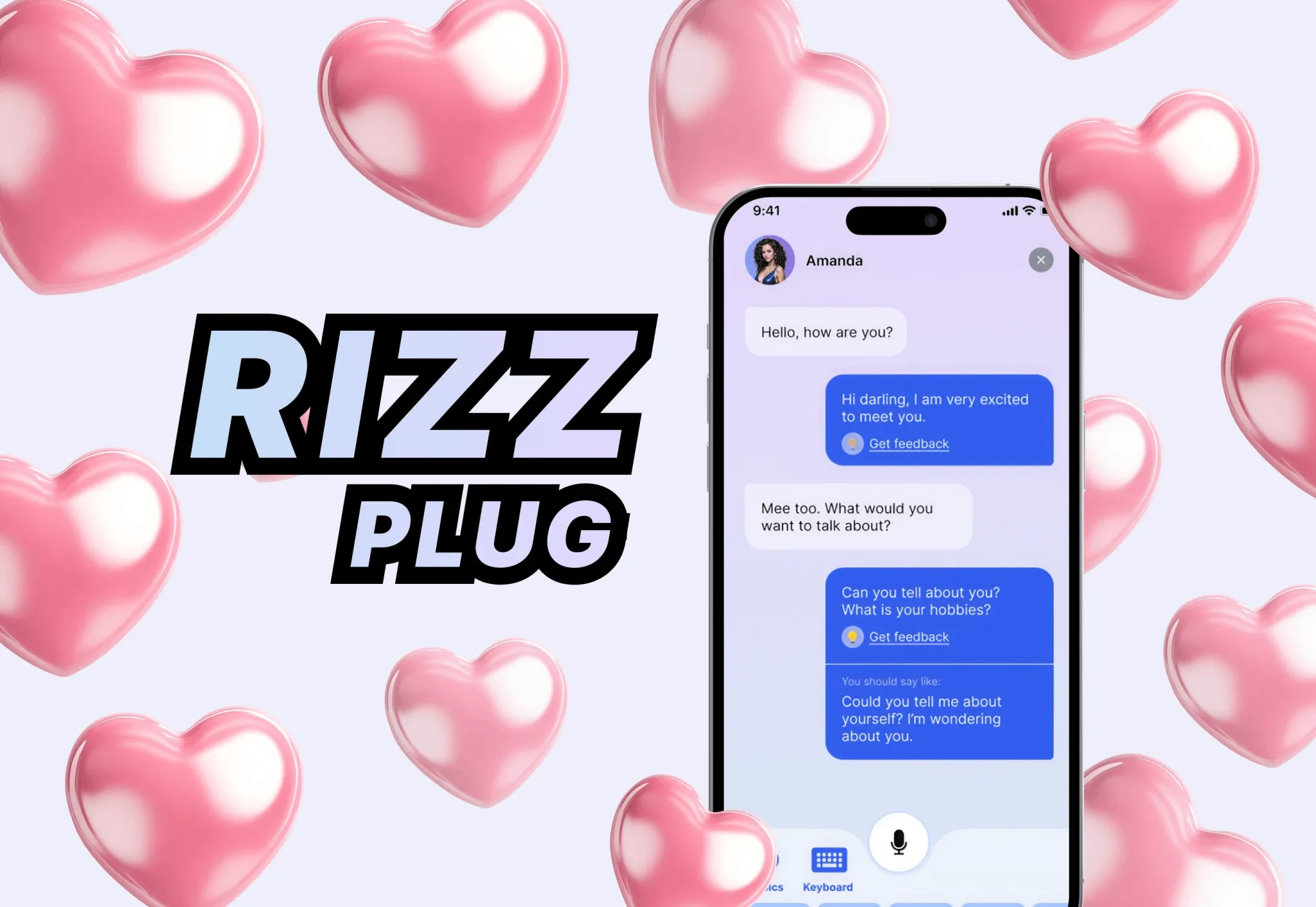
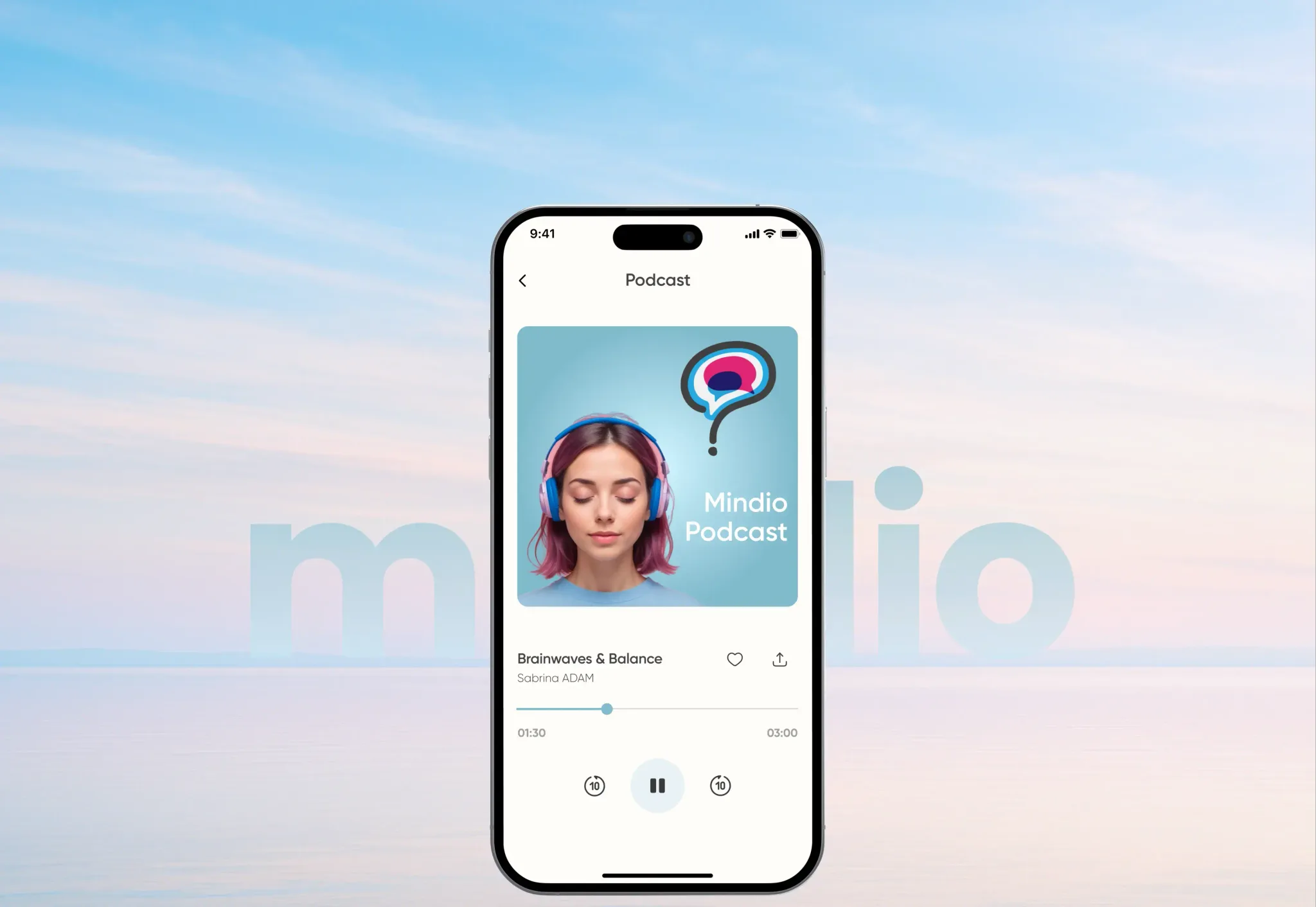
Mindio is a direct conversational companion. A user opens the app and talks to it the way they would a person, and Mindio responds with empathy while tracking mood over time. Lina is a coached practice companion, built for English speaking practice with voice input and pronunciation feedback rather than open ended emotional conversation. Rizz Plug is neither. It never talks to the user at all. Instead, it reads a screenshot or pasted message from the user's own conversation with someone else and suggests what to say back. That third shape needs a completely different data model, since there is no persistent companion relationship to maintain, just a single message in and a suggested reply out. 

Picking the right shape early avoids building the wrong kind of memory system: 

  • Choose a direct conversational companion when the product's value is the ongoing relationship itself, and invest early in tone consistency and safety design 

  • Choose a coached practice companion when the goal is a specific skill, since a narrower scope like Lina's speech practice ships faster than an open ended companion 

  • Choose a reply assistant when the product helps with conversations happening somewhere else, since it needs no persistent memory, only strong single message context 

These shapes can technically be combined, but rarely should be in a first version. A companion that also coaches and also drafts replies for outside conversations is really three products sharing one chat window, and each one needs its own testing pass before launch. 

How to Scope the First Version 

Most chat companion apps fail on scope creep in personality, not on the underlying model. A narrow first version proves the core interaction loop before the feature list grows past what a small team can test. 

  • Pick one of the three shapes above and resist blending them, since a companion that is also a coach and also a reply assistant tests like three different products 

  • Define personality and tone boundaries in writing before any prompt gets built, since an inconsistent tone is one of the fastest ways users notice they are talking to a model 

  • Design the escalation path for concerning messages before launch, especially for anything resembling emotional support, so the app has a clear, tested response instead of an improvised one 

Teams that try to ship a fully open ended, do everything companion in version one usually narrow it down anyway. That happens later, and with real user complaints already in hand. 

What a Realistic Build Timeline Looks Like 

Shipped examples in this category range from two to four months, and four stages make up that window. 

  • Discovery and scope, where the team locks the companion shape, the personality guidelines, and the safety or escalation policy before any screen gets designed 

  • Core build, the largest block on the calendar, where the chat interface, the model integration, and the memory or context system come together against that locked scope 

  • Tone and safety testing, run against a wide range of real conversation styles, not just the polite test messages a team writes for itself 

  • Launch and monitor, the first few weeks live, when real users push the personality and the safety boundaries in ways internal testing rarely anticipates 

Skipping tone and safety testing is the most common reason a companion that felt warm and consistent in development starts producing responses nobody on the team would have approved. A script written by the team rarely resembles what a bored, curious, or upset real user actually types. 

Product team mapping AI memory architecture on whiteboard with sticky notes
Annotated LLM cost planning worksheet with mechanical pencil on glass table

Four Things That Move the Budget and Timeline 

These four factors move the budget on a chat companion app more than anything else in the brief: 

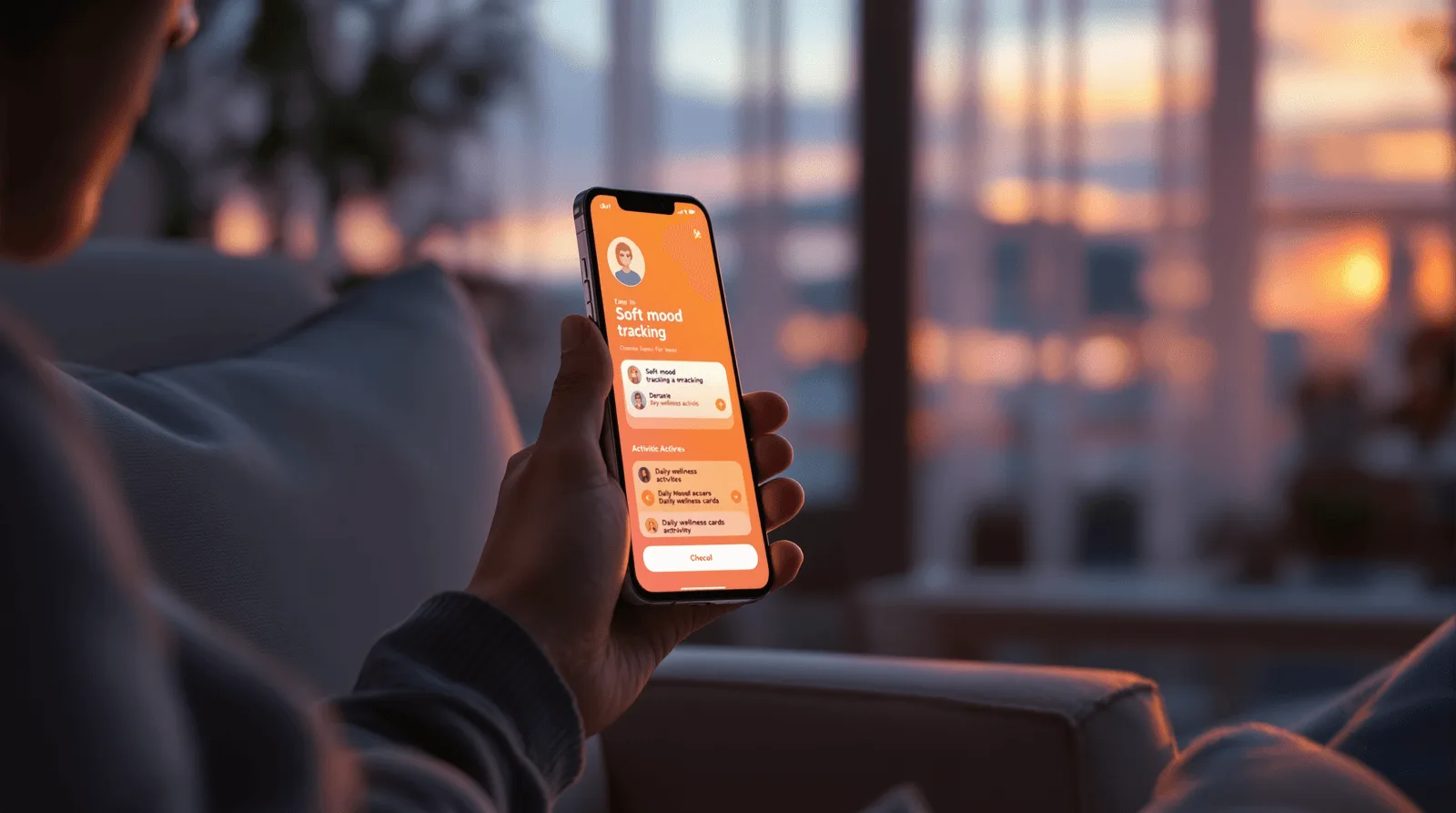
  • Memory and context depth, since remembering mood trends over weeks, the way Mindio does, costs more to build and run than a single message reply 

  • Voice versus text, since Lina's speech input and pronunciation feedback added a pipeline that a text only companion never needs 

  • Safety and moderation depth, since a direct emotional support companion needs far more careful design around sensitive topics than a reply suggestion tool does 

  • Tone range, since Rizz Plug's multiple tone options, casual, witty, or romantic, each needed their own testing pass to sound distinct rather than interchangeable 

Neon Apps shipped Lina and Rizz Plug in about two months each, both with a narrow, well defined shape. Mindio took four months, adding mood analysis and family focused features on top of the core conversational loop. 

What This Costs Beyond the Build Fee 

The build fee covers the app. Every message afterward runs through a language model that charges by the token, and that cost has real range. 

  • Language model API fees, from about 0.10 dollars per million input tokens for budget models up to 30 dollars per million for frontier reasoning models in 2026 

  • Output token cost, which typically runs three to eight times higher than input tokens on the same model, so a chatty companion costs more per reply than per message received 

  • Context cost, since sending recent conversation history with every message means cost grows with how much memory a companion carries, not just with message count 

  • Voice pipeline fees, for any companion doing speech input or output the way Lina does, priced separately from the underlying language model call 

A companion that remembers a long conversation history can cost meaningfully more per message than one that treats each message in isolation. Memory depth is a cost decision as much as a product one. 
Three developers collaborating around a monitor showing conversational AI wireframes

Where These Apps Break in Production 

The language model rarely produces an outright broken reply. It breaks the illusion in smaller, harder to catch ways. 

  • Generic responses, since a model that has not been given a strong enough personality prompt tends to default to safe, forgettable replies that feel like talking to no one in particular 

  • Context loss, since a companion that forgets something said three messages ago reminds the user they are talking to software, not a person who remembers 

  • Inappropriate responses to sensitive messages, since a model without careful safety design can respond to a genuinely concerning message with something generic or, worse, harmful 

  • Latency breaking the conversational feel, since a multi second delay before every reply undermines the sense of a real time conversation more than almost any other flaw 

  • Users testing the boundaries, since some portion of any audience will actively try to break character or push the model off its guidelines, and an untested personality prompt often gives way faster than expected 

None of this shows up in a five message test conversation. It shows up on message fifty, in a real conversation nobody scripted in advance, which is why tone and safety testing needs real conversation length, not a quick demo script. A companion that holds up for five exchanges and a companion that holds up for fifty are, in practical terms, two different products to test. 

AI Chat Companion Apps We Have Shipped 

Neon Apps has built three apps in this category, each a different shape of the same underlying idea. 

Project 

Client 

Year 

Build time 

What it solved 

Mindio 

Mindio Technology 

2023 

4 months 

24/7 empathetic chat companion with mood tracking 

Lina 

KitUp 

2025 

2 months 

Voice based English speaking practice with pronunciation feedback 

Rizz Plug 

Mars Studios 

2023 

2 months 

Suggests replies and tone for a user's own conversations 

Each of these needed a different kind of trust. Mindio leads with an explicit no data collected policy, since a direct emotional support companion only works if users believe the conversation is private. It also includes family focused features, calming stories and small routine building activities, that extend the companion idea beyond one on one chat. Lina leads with feedback accuracy, since a language learner needs to trust that pronunciation correction is actually right, not just encouraging. Its progress tracking across sessions gives the coaching shape a sense of continuity a single conversation could not provide on its own. Rizz Plug leads with speed and simplicity. Its users are mid conversation with someone else and need a reply suggestion in seconds, not a deep interaction with the tool itself. The entire flow stays on one screen, with no extra menus between a pasted message and a usable reply. Planning product strategy around which of these trust requirements matters most for a given companion is what shaped each build before a single screen got designed. 

related projects

FAQ

What is an AI chat companion app?

What does Neon Apps bring to a chat companion project?

Should the first version include long term memory?

How does Neon Apps scope a chat companion project?

How long and how much does a chat companion app cost to build?

Stay Inspired

Get fresh design insights, articles, and resources delivered straight to your inbox.

Get stories, insights, and updates from the Neon Apps team straight to your inbox.

Latest Blogs

Stay Inspired

Get stories, insights, and updates from the Neon Apps team straight to your inbox.

Got a project?

Let's Connect

Got a project? We build world-class mobile and web apps for startups and global brands.

Contact

Email
support@neonapps.co

Whatsapp
+90 552 733 43 99

Address

New York Office : 31 Hudson Yards, 11th Floor 10065 New York / United States

Istanbul Office : Huzur Mah. Fazıl Kaftanoğlu Caddesi No:7 Kat:10 Sarıyer/Istanbul

© Copyright 2025. All Rights Reserved by Neon Apps

Summarize with AI

Where the illusion breaks 

An AI chat companion only works as long as the conversation feels responsive and consistent. The moment a reply feels generic or forgets what was just said, the illusion breaks. This guide covers the architecture, cost, and timeline behind building one that holds up. 

What an AI Chat Companion App Actually Does 

An AI chat companion app uses a language model to hold a conversation with a user and respond to their messages. Most also maintain some sense of continuity across a session or over time. The AI companion apps market is projected to grow from 4.24 billion dollars in 2025 to 5.01 billion dollars in 2026, according to Research and Markets. The app itself mainly handles the chat interface, the prompt sent to the language model, and whatever memory or context gets carried from one message to the next. None of this requires training a language model from scratch. It requires picking the right model, designing a personality and tone that stays consistent, and deciding how much of a conversation history the app actually needs to remember. That last decision alone shapes both the cost and the complexity of everything built on top of it. 

Designer and developer reviewing AI chat companion conversation flow diagrams

The Three Shapes of a Chat Companion 

Not every companion app is having the same kind of conversation, and the three real shapes need different architecture. 

Shape 

Best for 

Tradeoff 

Direct conversational companion 

Always available emotional support or chat 

Needs careful safety and escalation design 

Coached practice companion 

Skill building with structured feedback 

Narrower scope, often needs a voice pipeline 

Reply and conversation assistant 

Helping a user in their own external conversation 

No persistent relationship, different input model 

Mindio is a direct conversational companion. A user opens the app and talks to it the way they would a person, and Mindio responds with empathy while tracking mood over time. Lina is a coached practice companion, built for English speaking practice with voice input and pronunciation feedback rather than open ended emotional conversation. Rizz Plug is neither. It never talks to the user at all. Instead, it reads a screenshot or pasted message from the user's own conversation with someone else and suggests what to say back. That third shape needs a completely different data model, since there is no persistent companion relationship to maintain, just a single message in and a suggested reply out. 

Picking the right shape early avoids building the wrong kind of memory system: 

  • Choose a direct conversational companion when the product's value is the ongoing relationship itself, and invest early in tone consistency and safety design 

  • Choose a coached practice companion when the goal is a specific skill, since a narrower scope like Lina's speech practice ships faster than an open ended companion 

  • Choose a reply assistant when the product helps with conversations happening somewhere else, since it needs no persistent memory, only strong single message context 

These shapes can technically be combined, but rarely should be in a first version. A companion that also coaches and also drafts replies for outside conversations is really three products sharing one chat window, and each one needs its own testing pass before launch. 

How to Scope the First Version 

Most chat companion apps fail on scope creep in personality, not on the underlying model. A narrow first version proves the core interaction loop before the feature list grows past what a small team can test. 

  • Pick one of the three shapes above and resist blending them, since a companion that is also a coach and also a reply assistant tests like three different products 

  • Define personality and tone boundaries in writing before any prompt gets built, since an inconsistent tone is one of the fastest ways users notice they are talking to a model 

  • Design the escalation path for concerning messages before launch, especially for anything resembling emotional support, so the app has a clear, tested response instead of an improvised one 

Teams that try to ship a fully open ended, do everything companion in version one usually narrow it down anyway. That happens later, and with real user complaints already in hand. 

What a Realistic Build Timeline Looks Like 

Shipped examples in this category range from two to four months, and four stages make up that window. 

  • Discovery and scope, where the team locks the companion shape, the personality guidelines, and the safety or escalation policy before any screen gets designed 

  • Core build, the largest block on the calendar, where the chat interface, the model integration, and the memory or context system come together against that locked scope 

  • Tone and safety testing, run against a wide range of real conversation styles, not just the polite test messages a team writes for itself 

  • Launch and monitor, the first few weeks live, when real users push the personality and the safety boundaries in ways internal testing rarely anticipates 

Skipping tone and safety testing is the most common reason a companion that felt warm and consistent in development starts producing responses nobody on the team would have approved. A script written by the team rarely resembles what a bored, curious, or upset real user actually types. 

Product team mapping AI memory architecture on whiteboard with sticky notes
Annotated LLM cost planning worksheet with mechanical pencil on glass table

Four Things That Move the Budget and Timeline 

These four factors move the budget on a chat companion app more than anything else in the brief: 

  • Memory and context depth, since remembering mood trends over weeks, the way Mindio does, costs more to build and run than a single message reply 

  • Voice versus text, since Lina's speech input and pronunciation feedback added a pipeline that a text only companion never needs 

  • Safety and moderation depth, since a direct emotional support companion needs far more careful design around sensitive topics than a reply suggestion tool does 

  • Tone range, since Rizz Plug's multiple tone options, casual, witty, or romantic, each needed their own testing pass to sound distinct rather than interchangeable 

Neon Apps shipped Lina and Rizz Plug in about two months each, both with a narrow, well defined shape. Mindio took four months, adding mood analysis and family focused features on top of the core conversational loop. 

What This Costs Beyond the Build Fee 

The build fee covers the app. Every message afterward runs through a language model that charges by the token, and that cost has real range. 

  • Language model API fees, from about 0.10 dollars per million input tokens for budget models up to 30 dollars per million for frontier reasoning models in 2026 

  • Output token cost, which typically runs three to eight times higher than input tokens on the same model, so a chatty companion costs more per reply than per message received 

  • Context cost, since sending recent conversation history with every message means cost grows with how much memory a companion carries, not just with message count 

  • Voice pipeline fees, for any companion doing speech input or output the way Lina does, priced separately from the underlying language model call 

A companion that remembers a long conversation history can cost meaningfully more per message than one that treats each message in isolation. Memory depth is a cost decision as much as a product one. 

Three developers collaborating around a monitor showing conversational AI wireframes

Where These Apps Break in Production 

The language model rarely produces an outright broken reply. It breaks the illusion in smaller, harder to catch ways. 

  • Generic responses, since a model that has not been given a strong enough personality prompt tends to default to safe, forgettable replies that feel like talking to no one in particular 

  • Context loss, since a companion that forgets something said three messages ago reminds the user they are talking to software, not a person who remembers 

  • Inappropriate responses to sensitive messages, since a model without careful safety design can respond to a genuinely concerning message with something generic or, worse, harmful 

  • Latency breaking the conversational feel, since a multi second delay before every reply undermines the sense of a real time conversation more than almost any other flaw 

  • Users testing the boundaries, since some portion of any audience will actively try to break character or push the model off its guidelines, and an untested personality prompt often gives way faster than expected 

None of this shows up in a five message test conversation. It shows up on message fifty, in a real conversation nobody scripted in advance, which is why tone and safety testing needs real conversation length, not a quick demo script. A companion that holds up for five exchanges and a companion that holds up for fifty are, in practical terms, two different products to test. 

AI Chat Companion Apps We Have Shipped 

Neon Apps has built three apps in this category, each a different shape of the same underlying idea. 

Project 

Client 

Year 

Build time 

What it solved 

Mindio 

Mindio Technology 

2023 

4 months 

24/7 empathetic chat companion with mood tracking 

Lina 

KitUp 

2025 

2 months 

Voice based English speaking practice with pronunciation feedback 

Rizz Plug 

Mars Studios 

2023 

2 months 

Suggests replies and tone for a user's own conversations 

Each of these needed a different kind of trust. Mindio leads with an explicit no data collected policy, since a direct emotional support companion only works if users believe the conversation is private. It also includes family focused features, calming stories and small routine building activities, that extend the companion idea beyond one on one chat. Lina leads with feedback accuracy, since a language learner needs to trust that pronunciation correction is actually right, not just encouraging. Its progress tracking across sessions gives the coaching shape a sense of continuity a single conversation could not provide on its own. Rizz Plug leads with speed and simplicity. Its users are mid conversation with someone else and need a reply suggestion in seconds, not a deep interaction with the tool itself. The entire flow stays on one screen, with no extra menus between a pasted message and a usable reply. Planning product strategy around which of these trust requirements matters most for a given companion is what shaped each build before a single screen got designed. 
related projects

FAQ

What is an AI chat companion app?

What does Neon Apps bring to a chat companion project?

Should the first version include long term memory?

How does Neon Apps scope a chat companion project?

How long and how much does a chat companion app cost to build?

Stay Inspired

Get fresh design insights, articles, and resources delivered straight to your inbox.

Get stories, insights, and updates from the Neon Apps team straight to your inbox.

Latest Blogs

Stay Inspired

Get stories, insights, and updates from the Neon Apps team straight to your inbox.

Got a project?

Let's Connect

Got a project? We build world-class mobile and web apps for startups and global brands.

Contact

Email
support@neonapps.co

Whatsapp
+90 552 733 43 99

Address

New York Office : 31 Hudson Yards, 11th Floor 10065 New York / United States

Istanbul Office : Huzur Mah. Fazıl Kaftanoğlu Caddesi No:7 Kat:10 Sarıyer/Istanbul

© Copyright 2025. All Rights Reserved by Neon Apps

Summarize with AI

Where the illusion breaks 

An AI chat companion only works as long as the conversation feels responsive and consistent. The moment a reply feels generic or forgets what was just said, the illusion breaks. This guide covers the architecture, cost, and timeline behind building one that holds up. 

What an AI Chat Companion App Actually Does 

An AI chat companion app uses a language model to hold a conversation with a user and respond to their messages. Most also maintain some sense of continuity across a session or over time. The AI companion apps market is projected to grow from 4.24 billion dollars in 2025 to 5.01 billion dollars in 2026, according to Research and Markets. The app itself mainly handles the chat interface, the prompt sent to the language model, and whatever memory or context gets carried from one message to the next. None of this requires training a language model from scratch. It requires picking the right model, designing a personality and tone that stays consistent, and deciding how much of a conversation history the app actually needs to remember. That last decision alone shapes both the cost and the complexity of everything built on top of it. 

Designer and developer reviewing AI chat companion conversation flow diagrams

The Three Shapes of a Chat Companion 

Not every companion app is having the same kind of conversation, and the three real shapes need different architecture. 

Shape 

Best for 

Tradeoff 

Direct conversational companion 

Always available emotional support or chat 

Needs careful safety and escalation design 

Coached practice companion 

Skill building with structured feedback 

Narrower scope, often needs a voice pipeline 

Reply and conversation assistant 

Helping a user in their own external conversation 

No persistent relationship, different input model 

Mindio is a direct conversational companion. A user opens the app and talks to it the way they would a person, and Mindio responds with empathy while tracking mood over time. Lina is a coached practice companion, built for English speaking practice with voice input and pronunciation feedback rather than open ended emotional conversation. Rizz Plug is neither. It never talks to the user at all. Instead, it reads a screenshot or pasted message from the user's own conversation with someone else and suggests what to say back. That third shape needs a completely different data model, since there is no persistent companion relationship to maintain, just a single message in and a suggested reply out. 

Picking the right shape early avoids building the wrong kind of memory system: 

  • Choose a direct conversational companion when the product's value is the ongoing relationship itself, and invest early in tone consistency and safety design 

  • Choose a coached practice companion when the goal is a specific skill, since a narrower scope like Lina's speech practice ships faster than an open ended companion 

  • Choose a reply assistant when the product helps with conversations happening somewhere else, since it needs no persistent memory, only strong single message context 

These shapes can technically be combined, but rarely should be in a first version. A companion that also coaches and also drafts replies for outside conversations is really three products sharing one chat window, and each one needs its own testing pass before launch. 

How to Scope the First Version 

Most chat companion apps fail on scope creep in personality, not on the underlying model. A narrow first version proves the core interaction loop before the feature list grows past what a small team can test. 

  • Pick one of the three shapes above and resist blending them, since a companion that is also a coach and also a reply assistant tests like three different products 

  • Define personality and tone boundaries in writing before any prompt gets built, since an inconsistent tone is one of the fastest ways users notice they are talking to a model 

  • Design the escalation path for concerning messages before launch, especially for anything resembling emotional support, so the app has a clear, tested response instead of an improvised one 

Teams that try to ship a fully open ended, do everything companion in version one usually narrow it down anyway. That happens later, and with real user complaints already in hand. 

What a Realistic Build Timeline Looks Like 

Shipped examples in this category range from two to four months, and four stages make up that window. 

  • Discovery and scope, where the team locks the companion shape, the personality guidelines, and the safety or escalation policy before any screen gets designed 

  • Core build, the largest block on the calendar, where the chat interface, the model integration, and the memory or context system come together against that locked scope 

  • Tone and safety testing, run against a wide range of real conversation styles, not just the polite test messages a team writes for itself 

  • Launch and monitor, the first few weeks live, when real users push the personality and the safety boundaries in ways internal testing rarely anticipates 

Skipping tone and safety testing is the most common reason a companion that felt warm and consistent in development starts producing responses nobody on the team would have approved. A script written by the team rarely resembles what a bored, curious, or upset real user actually types. 

Product team mapping AI memory architecture on whiteboard with sticky notes
Annotated LLM cost planning worksheet with mechanical pencil on glass table

Four Things That Move the Budget and Timeline 

These four factors move the budget on a chat companion app more than anything else in the brief: 

  • Memory and context depth, since remembering mood trends over weeks, the way Mindio does, costs more to build and run than a single message reply 

  • Voice versus text, since Lina's speech input and pronunciation feedback added a pipeline that a text only companion never needs 

  • Safety and moderation depth, since a direct emotional support companion needs far more careful design around sensitive topics than a reply suggestion tool does 

  • Tone range, since Rizz Plug's multiple tone options, casual, witty, or romantic, each needed their own testing pass to sound distinct rather than interchangeable 

Neon Apps shipped Lina and Rizz Plug in about two months each, both with a narrow, well defined shape. Mindio took four months, adding mood analysis and family focused features on top of the core conversational loop. 

What This Costs Beyond the Build Fee 

The build fee covers the app. Every message afterward runs through a language model that charges by the token, and that cost has real range. 

  • Language model API fees, from about 0.10 dollars per million input tokens for budget models up to 30 dollars per million for frontier reasoning models in 2026 

  • Output token cost, which typically runs three to eight times higher than input tokens on the same model, so a chatty companion costs more per reply than per message received 

  • Context cost, since sending recent conversation history with every message means cost grows with how much memory a companion carries, not just with message count 

  • Voice pipeline fees, for any companion doing speech input or output the way Lina does, priced separately from the underlying language model call 

A companion that remembers a long conversation history can cost meaningfully more per message than one that treats each message in isolation. Memory depth is a cost decision as much as a product one. 

Three developers collaborating around a monitor showing conversational AI wireframes

Where These Apps Break in Production 

The language model rarely produces an outright broken reply. It breaks the illusion in smaller, harder to catch ways. 

  • Generic responses, since a model that has not been given a strong enough personality prompt tends to default to safe, forgettable replies that feel like talking to no one in particular 

  • Context loss, since a companion that forgets something said three messages ago reminds the user they are talking to software, not a person who remembers 

  • Inappropriate responses to sensitive messages, since a model without careful safety design can respond to a genuinely concerning message with something generic or, worse, harmful 

  • Latency breaking the conversational feel, since a multi second delay before every reply undermines the sense of a real time conversation more than almost any other flaw 

  • Users testing the boundaries, since some portion of any audience will actively try to break character or push the model off its guidelines, and an untested personality prompt often gives way faster than expected 

None of this shows up in a five message test conversation. It shows up on message fifty, in a real conversation nobody scripted in advance, which is why tone and safety testing needs real conversation length, not a quick demo script. A companion that holds up for five exchanges and a companion that holds up for fifty are, in practical terms, two different products to test. 

AI Chat Companion Apps We Have Shipped 

Neon Apps has built three apps in this category, each a different shape of the same underlying idea. 

Project 

Client 

Year 

Build time 

What it solved 

Mindio 

Mindio Technology 

2023 

4 months 

24/7 empathetic chat companion with mood tracking 

Lina 

KitUp 

2025 

2 months 

Voice based English speaking practice with pronunciation feedback 

Rizz Plug 

Mars Studios 

2023 

2 months 

Suggests replies and tone for a user's own conversations 

Each of these needed a different kind of trust. Mindio leads with an explicit no data collected policy, since a direct emotional support companion only works if users believe the conversation is private. It also includes family focused features, calming stories and small routine building activities, that extend the companion idea beyond one on one chat. Lina leads with feedback accuracy, since a language learner needs to trust that pronunciation correction is actually right, not just encouraging. Its progress tracking across sessions gives the coaching shape a sense of continuity a single conversation could not provide on its own. Rizz Plug leads with speed and simplicity. Its users are mid conversation with someone else and need a reply suggestion in seconds, not a deep interaction with the tool itself. The entire flow stays on one screen, with no extra menus between a pasted message and a usable reply. Planning product strategy around which of these trust requirements matters most for a given companion is what shaped each build before a single screen got designed. 
related projects

FAQ

What is an AI chat companion app?

What does Neon Apps bring to a chat companion project?

Should the first version include long term memory?

How does Neon Apps scope a chat companion project?

How long and how much does a chat companion app cost to build?

Stay Inspired

Get fresh design insights, articles, and resources delivered straight to your inbox.

Get stories, insights, and updates from the Neon Apps team straight to your inbox.

Latest Blogs

Stay Inspired

Get stories, insights, and updates from the Neon Apps team straight to your inbox.

Got a project?

Let's Connect

Got a project? We build world-class mobile and web apps for startups and global brands.

Contact

Email
support@neonapps.co

Whatsapp
+90 552 733 43 99

Address

New York Office : 31 Hudson Yards, 11th Floor 10065 New York / United States

Istanbul Office : Huzur Mah. Fazıl Kaftanoğlu Caddesi No:7 Kat:10 Sarıyer/Istanbul

© Copyright 2025. All Rights Reserved by Neon Apps