Development
Unlocking User Retention: Innovative Mobile App Push Notification Strategies
Unlocking User Retention: Innovative Mobile App Push Notification Strategies

Transforming push notifications from digital interruptions into personalized retention drivers is a core strategy within the Neon Apps development framework.
Transforming push notifications from digital interruptions into personalized retention drivers is a core strategy within the Neon Apps development framework.
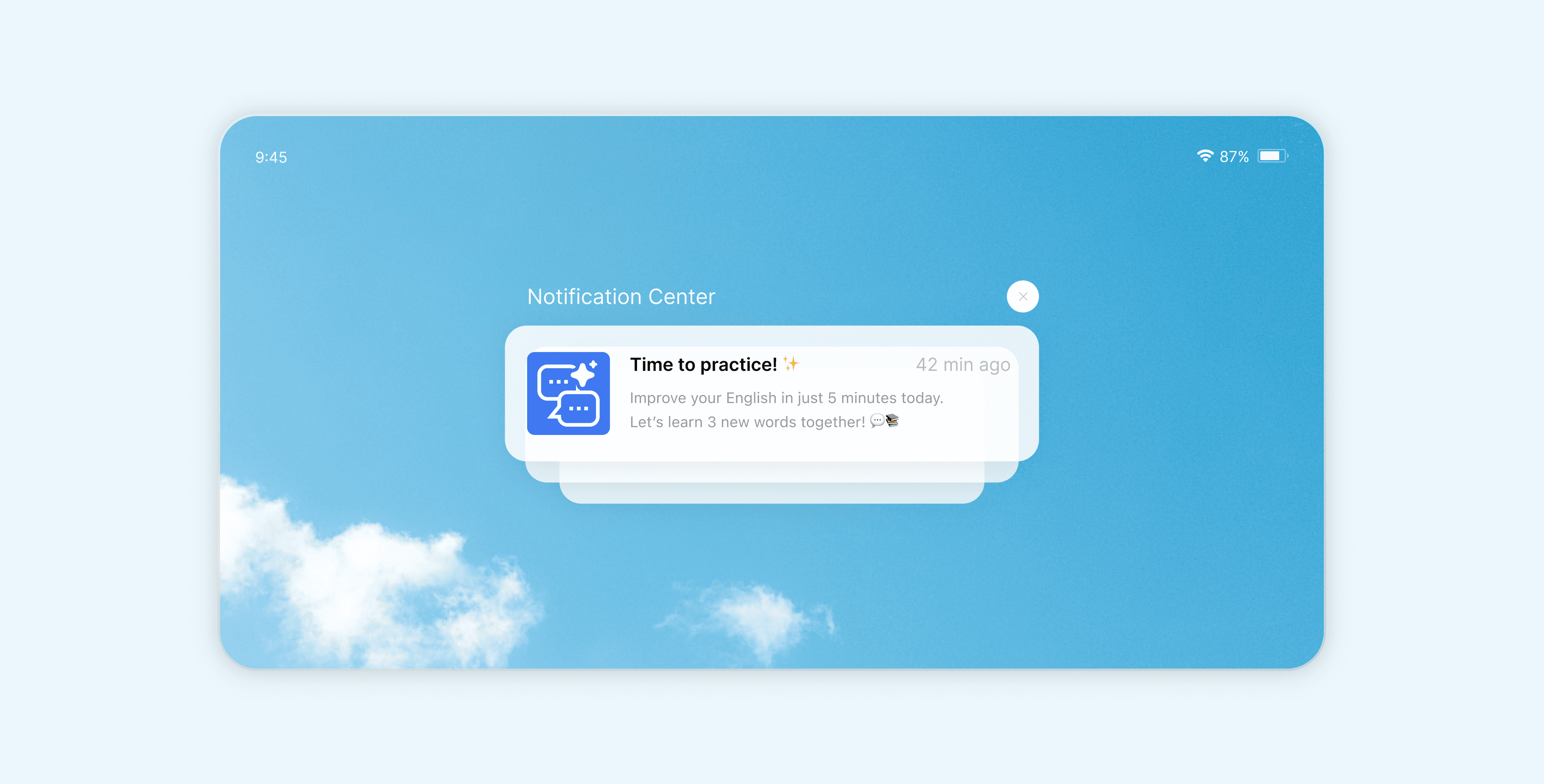
Push notifications are undeniably one of the most powerful tools available for improving mobile user retention. They have the potential to dramatically enhance user engagement and provide personalized, real-time communication that encourages users to return to the app. However, like any tool, they need to be used strategically to be effective. When push notifications are implemented correctly, they feel helpful, relevant, and timely, fostering a positive experience and increasing the likelihood of continued engagement. On the other hand, poorly executed push notifications such as excessive, irrelevant, or poorly timed messages can quickly lead to frustration, annoyance, and ultimately app uninstalls.
At Neon Apps, we have witnessed both of these outcomes repeatedly, which is why we emphasize the importance of a smart strategy when using push notifications. The key is to strike the right balance between engagement and subtlety. With the right approach, notifications can transform your app’s engagement strategies, acting as a reminder of value and encouraging meaningful user actions that drive both retention and satisfaction.
A well-crafted push notification strategy helps maintain user interest, remind them of app benefits, and gently guide them toward key actions whether it's completing a task, exploring new features, or making a purchase. By providing contextual value, notifications can keep users active long after installation, turning a one-time user into a loyal customer.
In this guide, we explore how to maximize the value of push notifications with modern best practices that drive retention, increase engagement, and prompt meaningful user actions. From timing and frequency to content personalization and segmentation, we’ll cover the strategies that can help you leverage push notifications to strengthen your relationship with users, maintain engagement, and ensure long-term app success. By understanding these best practices, you can use push notifications not only as a tool for re-engagement but as an essential part of your user retention strategy, ensuring that your app remains relevant and valuable to users over time.
Personalization Is the Heart of Effective Notifications
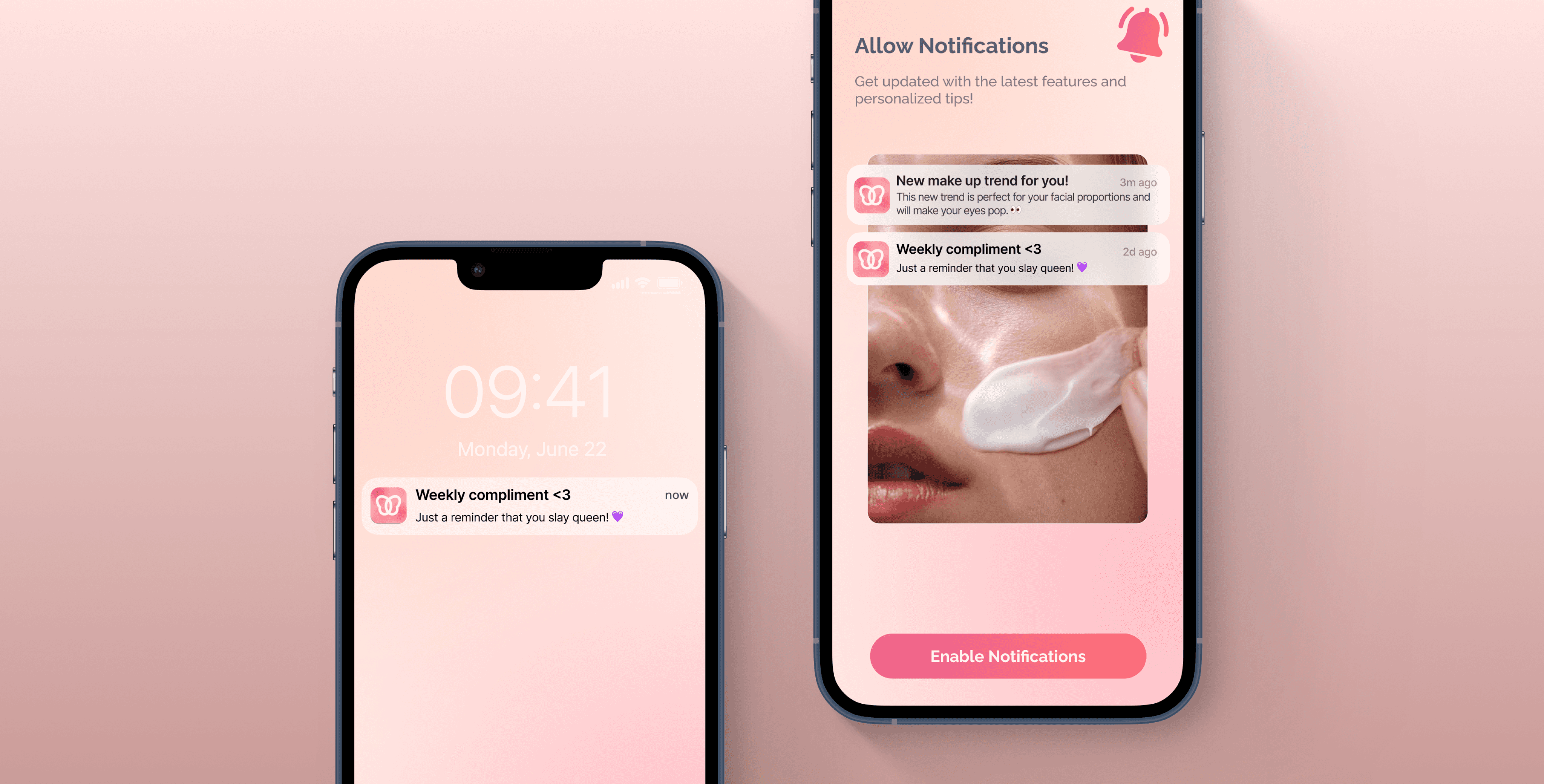
Generic push notifications are becoming increasingly ineffective as users become more selective about the content they engage with. To truly capture user attention, notifications must be personalized—delivering content that feels relevant to each individual based on their behavior and preferences. When users receive notifications that align with their interests, they’re more likely to open the message and take action, which ultimately boosts user engagement and retention.
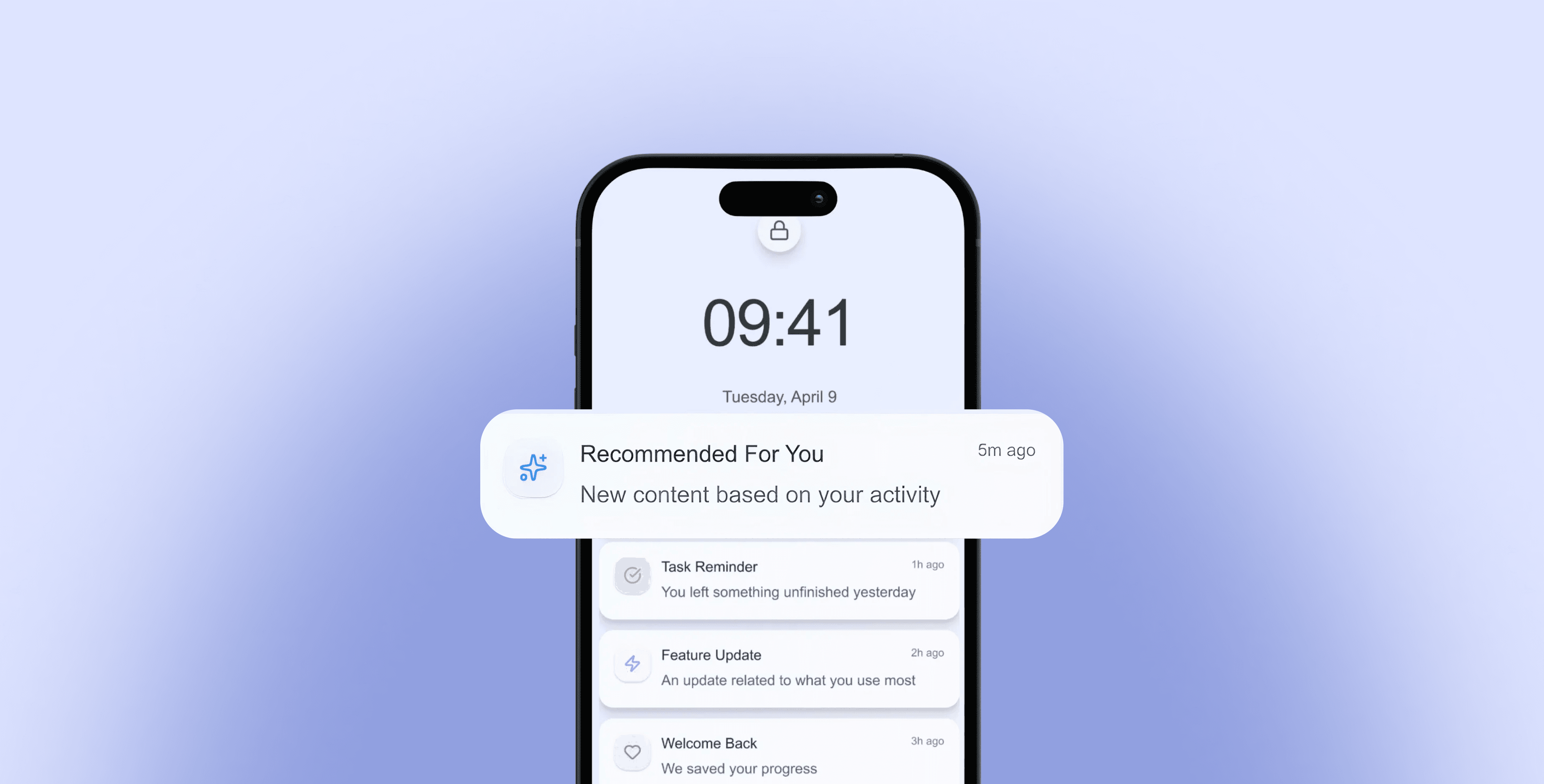
Personalization can come in many forms. For example, recommendations based on previous activity are highly effective at keeping users engaged by suggesting content or features they are likely to find valuable. Similarly, reminderstied to user behavior, such as a task they haven’t completed or an offer they might be interested in, can prompt users to return to the app. Additionally, updates on features or content that align with a user’s interests ensure that the app feels relevant and responsive to their needs. Personalized notifications make users feel like the app understands them and is designed to enhance their experience, creating a deeper emotional connection with the product.
Use Behavioral Triggers to Drive Meaningful Engagement
Behavioral-based messaging has proven to be far more effective than sending generic notifications to all users. By triggering notifications based on specific actions, apps can provide contextual reminders that feel more like supportive nudges rather than interruptions. For example, you can send a notification when a user is progressing through onboarding, reminding them to complete a step or providing encouragement. Similarly, abandoned tasks or incomplete actions can trigger notifications that gently remind users to continue where they left off. These notifications are more relevant because they are directly tied to the user’s journey, making them feel like a natural extension of the app rather than a pushy sales tactic.
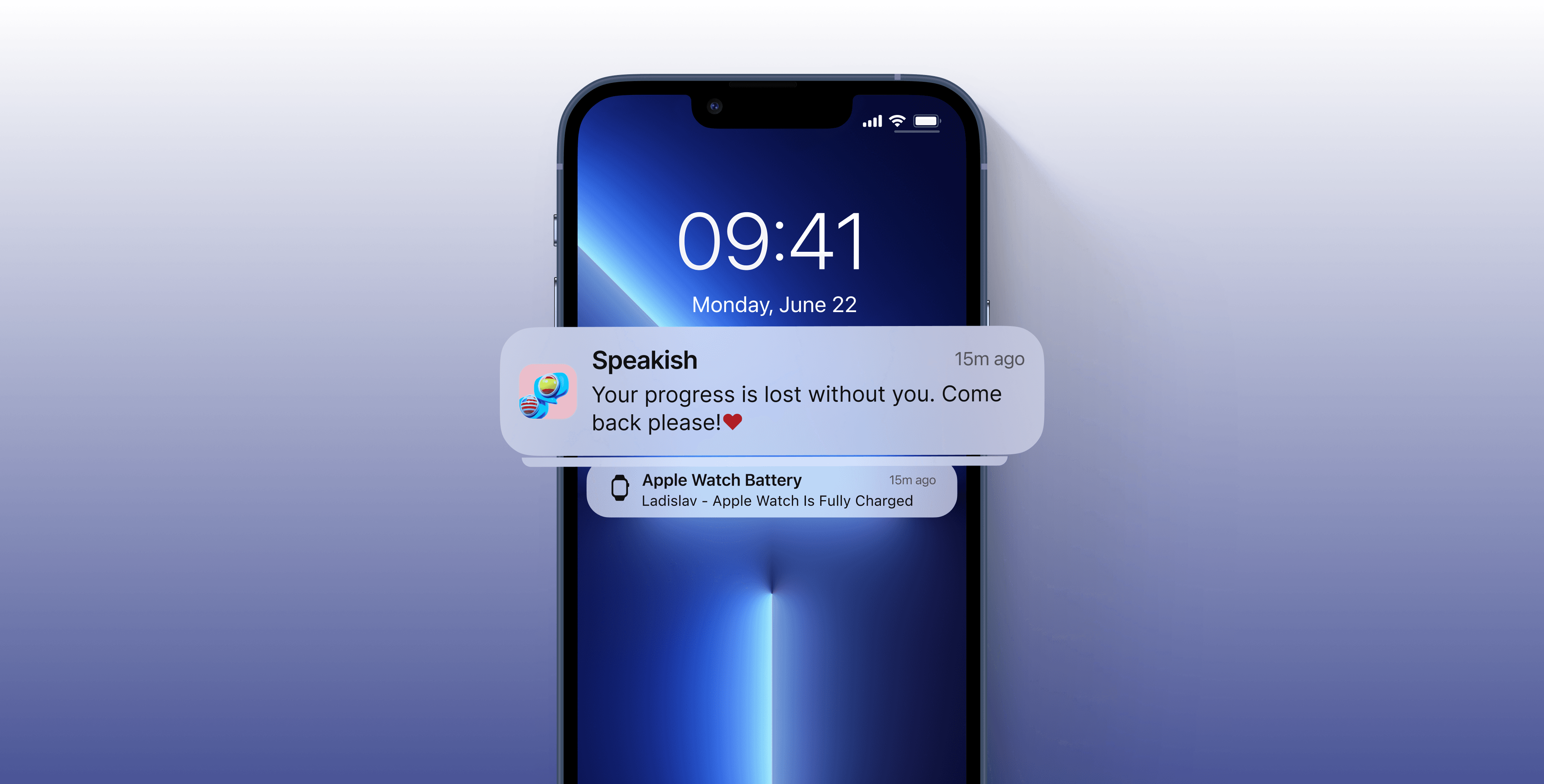
A simple and timely nudge can make all the difference. For instance, a user who hasn’t opened the app in a while might receive a friendly reminder that highlights new features or content, which can prompt them to re-engage. Behavioral triggers are effective because they cater to users' specific needs and interests, ensuring that notifications feel supportiveand not intrusive. This approach helps to maintain user engagement, reduce churn, and encourage continued use over time.
Segment Your Audience for Better Relevance
Segmentation is one of the most powerful tools for enhancing push notification strategies. By dividing your user base into specific groups based on behavior, demographics, purchase history, or lifecycle stage, you can deliver more relevant and personalized messages that have a greater impact on engagement. For example, you could send different messages to new users versus power users, or tailor notifications for users who have shown interest in specific features or product categories.
Segmenting users based on activity allows you to send targeted notifications that address specific needs, such as reaching out to inactive users with a compelling reason to return or rewarding loyal subscribers with exclusive offers. It could also involve reaching out to users at different stages of their lifecycle whether they are new to the app, have been using it for a while, or are long-term power users. By personalizing messages according to user segmentation, you make each notification feel more tailored to the individual, which increases the chances of the user taking action. This approach not only improves engagement but also builds a sense of personal connection between the user and the app.
Time Your Notifications for Maximum Impact
Timing is critical when it comes to push notifications. Sending notifications at random hours or without considering the user’s activity patterns can lead to frustration, disengagement, and even uninstalls. To ensure notifications are received positively, it’s important to send them when the user is most likely to be active or responsive. A well-timed notification can increase engagement and drive action more effectively than one sent at an arbitrary time.
To achieve this, it’s essential to consider factors such as the user’s timezone, their daily habits, the app category, and previous open patterns. By understanding when users typically engage with the app, you can identify the ideal notification window. For example, a fitness app might send reminders in the early morning when users are more likely to go for a run or workout, while a news app might schedule notifications for the evening when users tend to catch up on current events. Smart timing increases the relevance of each notification, making it more likely that users will engage with it rather than ignore it.
Use A/B Testing for Continuous Improvement
To ensure your push notifications are as effective as possible, A/B testing is a powerful tool. By testing different message formats, tones, and sequences, you can identify what resonates best with your audience and refine your approach accordingly. A/B testing allows you to experiment with variables like call-to-action (CTA) phrasing, message length, design layout, and even the time of delivery to see which combination generates the best response.
This iterative approach not only helps in refining the notification flow but also allows for constant improvement. By analyzing engagement metrics such as open rates, click-through rates, and conversions, you can adjust notifications based on what users respond to most positively. This process ensures that your push notification strategy remains dynamic and effective over time. Small, data-driven changes like tweaking the wording of a CTA or adjusting the message lengthcan have a significant impact on overall performance and user engagement.
In the long run, A/B testing supports a deeper understanding of user preferences and ensures that each notification delivers the maximum value, contributing to higher retention rates and long-term success.
Offer Real Value Instead of Clickbait
Push notifications should offer real value by default. Users are becoming increasingly weary of clickbait-style notifications that mislead or simply try to drive clicks without providing meaningful content. Instead of prompting users to tap for curiosity or to meet a short-term goal, focus on sending notifications that enhance the user experience and provide something of real value. This builds trust with users and strengthens your app’s relationship with them over time.
Examples of valuable notifications include important updates, reminders that align with user goals, progress tracking, and feature highlights based on previous behavior. For instance, a fitness app might send a reminder to log a workout based on the user’s historical activity, or a shopping app might notify users of a flash sale for items they’ve previously shown interest in. By offering contextual value that aligns with user needs, you make the notification feel relevant and thoughtful, rather than intrusive or spammy.
Users trust apps that respect their time and attention, and when notifications consistently offer value, they’re more likely to stay engaged. Instead of overwhelming users with random offers or irrelevant updates, ensure that each message aligns with what the user actually cares about. This approach not only improves engagement rates but also strengthens long-term loyalty, creating a stronger connection between users and the app.
Combine Push Notifications With In-App Messages
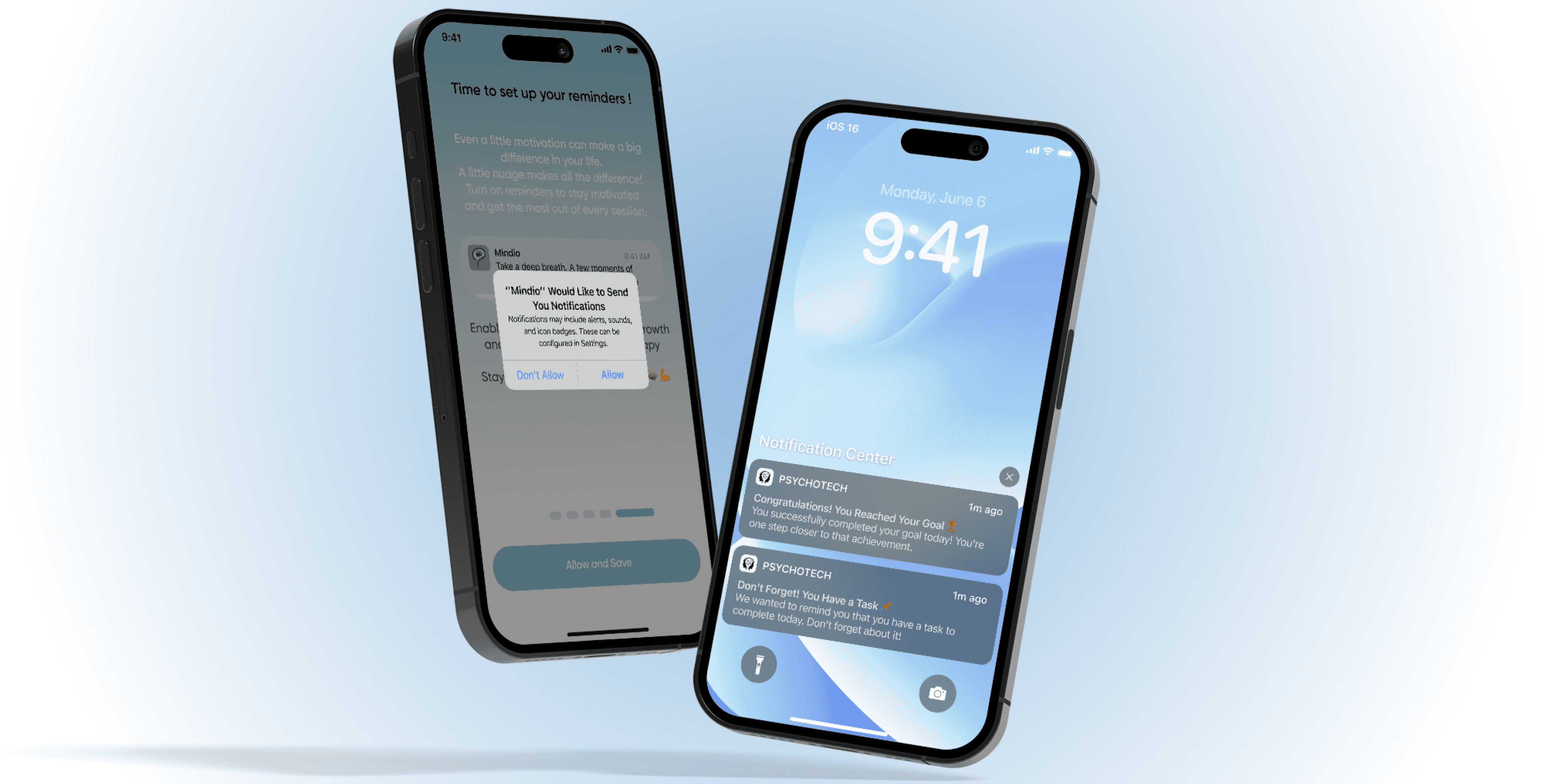
A powerful strategy for driving engagement is pairing push notifications with in-app messages. While push notifications bring users back to the app, in-app messages guide them once they arrive, providing immediate context and next steps. This layered approach ensures a seamless user journey, enhancing overall satisfaction by reducing friction between external triggers and in-app experiences.
By integrating both push notifications and in-app messages, apps create a cohesive narrative that keeps users engaged throughout their interaction with the product. When push notifications prompt users to return and in-app messages provide valuable information and clear actions, it fosters a smoother, more intuitive experience. This combination ensures users feel supported, not overwhelmed, and improves their overall perception of the app. Additionally, pairing these two tools enhances the effectiveness of push notification marketing by aligning external triggers (the push) with in-app context, ensuring that users receive relevant information exactly when they need it.
Showcase Clear and Friendly Copywriting
Effective copywriting is essential to making push notifications feel valuable and relevant. A great push notification uses simple, direct language to convey value clearly and quickly. Avoid overly promotional or salesy language, as this can often come across as intrusive and decrease user engagement. Instead, use warm tones and action-oriented wording that feels inviting and user-centric. For example, instead of saying “Don’t miss out on this offer,” try something more engaging like “Your discount is waiting! Tap here to claim.” Simple, actionable language can turn a short notification into a moment of connection, fostering trust and engagement.
If your audience is global, it’s essential to be aware of cultural differences when crafting messages. Localizing your copy not only ensures it’s understood but also helps users feel that the app respects their cultural context. This means using the right language, tone, and symbols that resonate with different cultures, improving the overall user experience and engagement.
Use Analytics to Refine Your Strategy
A successful push notification strategy requires a data-driven approach. To ensure your notifications are having the desired effect, it's crucial to track performance metrics. Push notification analytics provide valuable insights into which messages are resonating with users and which ones might be causing friction. By analyzing open rates, conversion events, opt-outs, and retention improvements, you can refine your notification strategy to increase engagement and retention.
Data-driven decisions always outperform guesswork. Regularly tracking and analyzing these metrics helps ensure that your notifications are relevant, timely, and driving the right actions. For instance, if you notice a high opt-out rate after certain types of notifications, it’s a sign to adjust your messaging strategy. On the other hand, identifying high-performing notifications can provide insights into what works and help you replicate that success across other messaging campaigns.
Study Successful Notification Examples
Looking at real-world examples of successful push notifications can offer valuable insights into the strategies that work. Apps from different industries—such as fitness, finance, productivity, gaming, or education—each have their own unique engagement styles. By studying how the top performers in each industry craft their timing, tone, and context of push notifications, you can gather useful patterns and strategies to adapt to your own app’s needs.
For example, a fitness app might send motivational messages that encourage users to stay active, while a finance app could provide timely reminders for bill payments or savings goals. By analyzing how these apps engage their audiences, you can adapt their best practices to your own product strategy, tailoring them to fit your audience and objectives. This approach will give you the tools to create notifications that align with your user’s behavior and engagement preferences.
Experiment With Rich Media for Higher Engagement
Modern push notification systems support rich media such as images, emojis, buttons, and interactive elements that can significantly boost user attention and engagement. Rich media notifications are especially effective when targeting new users or highlighting key features, as they can make the message more visually appealing and exciting. For instance, using an eye-catching image or an interactive button can encourage users to take immediate action, such as tapping to complete a task, explore a feature, or claim a reward.
However, it’s essential to test performance to ensure that the visuals enhance, rather than distract from, the message. Too much visual clutter can lead to confusion or users ignoring the notification altogether. By carefully testing different types of media and analyzing the resulting user interactions, you can determine the optimal balance between text and visuals to create the most effective notifications. A/B testing can help identify which rich media elements drive the most engagement and contribute to improved conversion rates.
By leveraging rich media strategically, you can elevate the effectiveness of your notifications and create a more interactive and engaging experience for your users. This can help increase user retention and ensure your app remains top-of-mind for users in an increasingly crowded mobile environment.
FAQ
Why are push notifications important for mobile app retention?
How can push notifications be personalized effectively?
What are behavioral triggers in push notifications?
How often should apps send push notifications?
How does Neon Apps optimize push notification strategies?
Stay Inspired
Get fresh design insights, articles, and resources delivered straight to your inbox.
Get stories, insights, and updates from the Neon Apps team straight to your inbox.
Latest Blogs


Stay Inspired
Get stories, insights, and updates from the Neon Apps team straight to your inbox.
Got a project?
Let's Connect
Got a project? We build world-class mobile and web apps for startups and global brands.

Neon Apps is a product development company building mobile, web, and SaaS products with an 85-member in-house team in Istanbul and New York, delivering scalable products as a long-term development partner.
Industries
Primary Services
Delivery & Product Services
Supporting Services
Development
Unlocking User Retention: Innovative Mobile App Push Notification Strategies
Unlocking User Retention: Innovative Mobile App Push Notification Strategies
Transforming push notifications from digital interruptions into personalized retention drivers is a core strategy within the Neon Apps development framework.
Transforming push notifications from digital interruptions into personalized retention drivers is a core strategy within the Neon Apps development framework.
Push notifications are undeniably one of the most powerful tools available for improving mobile user retention. They have the potential to dramatically enhance user engagement and provide personalized, real-time communication that encourages users to return to the app. However, like any tool, they need to be used strategically to be effective. When push notifications are implemented correctly, they feel helpful, relevant, and timely, fostering a positive experience and increasing the likelihood of continued engagement. On the other hand, poorly executed push notifications such as excessive, irrelevant, or poorly timed messages can quickly lead to frustration, annoyance, and ultimately app uninstalls.
At Neon Apps, we have witnessed both of these outcomes repeatedly, which is why we emphasize the importance of a smart strategy when using push notifications. The key is to strike the right balance between engagement and subtlety. With the right approach, notifications can transform your app’s engagement strategies, acting as a reminder of value and encouraging meaningful user actions that drive both retention and satisfaction.
A well-crafted push notification strategy helps maintain user interest, remind them of app benefits, and gently guide them toward key actions whether it's completing a task, exploring new features, or making a purchase. By providing contextual value, notifications can keep users active long after installation, turning a one-time user into a loyal customer.
In this guide, we explore how to maximize the value of push notifications with modern best practices that drive retention, increase engagement, and prompt meaningful user actions. From timing and frequency to content personalization and segmentation, we’ll cover the strategies that can help you leverage push notifications to strengthen your relationship with users, maintain engagement, and ensure long-term app success. By understanding these best practices, you can use push notifications not only as a tool for re-engagement but as an essential part of your user retention strategy, ensuring that your app remains relevant and valuable to users over time.
Personalization Is the Heart of Effective Notifications
Generic push notifications are becoming increasingly ineffective as users become more selective about the content they engage with. To truly capture user attention, notifications must be personalized—delivering content that feels relevant to each individual based on their behavior and preferences. When users receive notifications that align with their interests, they’re more likely to open the message and take action, which ultimately boosts user engagement and retention.
Personalization can come in many forms. For example, recommendations based on previous activity are highly effective at keeping users engaged by suggesting content or features they are likely to find valuable. Similarly, reminderstied to user behavior, such as a task they haven’t completed or an offer they might be interested in, can prompt users to return to the app. Additionally, updates on features or content that align with a user’s interests ensure that the app feels relevant and responsive to their needs. Personalized notifications make users feel like the app understands them and is designed to enhance their experience, creating a deeper emotional connection with the product.
Use Behavioral Triggers to Drive Meaningful Engagement
Behavioral-based messaging has proven to be far more effective than sending generic notifications to all users. By triggering notifications based on specific actions, apps can provide contextual reminders that feel more like supportive nudges rather than interruptions. For example, you can send a notification when a user is progressing through onboarding, reminding them to complete a step or providing encouragement. Similarly, abandoned tasks or incomplete actions can trigger notifications that gently remind users to continue where they left off. These notifications are more relevant because they are directly tied to the user’s journey, making them feel like a natural extension of the app rather than a pushy sales tactic.
A simple and timely nudge can make all the difference. For instance, a user who hasn’t opened the app in a while might receive a friendly reminder that highlights new features or content, which can prompt them to re-engage. Behavioral triggers are effective because they cater to users' specific needs and interests, ensuring that notifications feel supportiveand not intrusive. This approach helps to maintain user engagement, reduce churn, and encourage continued use over time.
Segment Your Audience for Better Relevance
Segmentation is one of the most powerful tools for enhancing push notification strategies. By dividing your user base into specific groups based on behavior, demographics, purchase history, or lifecycle stage, you can deliver more relevant and personalized messages that have a greater impact on engagement. For example, you could send different messages to new users versus power users, or tailor notifications for users who have shown interest in specific features or product categories.
Segmenting users based on activity allows you to send targeted notifications that address specific needs, such as reaching out to inactive users with a compelling reason to return or rewarding loyal subscribers with exclusive offers. It could also involve reaching out to users at different stages of their lifecycle whether they are new to the app, have been using it for a while, or are long-term power users. By personalizing messages according to user segmentation, you make each notification feel more tailored to the individual, which increases the chances of the user taking action. This approach not only improves engagement but also builds a sense of personal connection between the user and the app.
Time Your Notifications for Maximum Impact
Timing is critical when it comes to push notifications. Sending notifications at random hours or without considering the user’s activity patterns can lead to frustration, disengagement, and even uninstalls. To ensure notifications are received positively, it’s important to send them when the user is most likely to be active or responsive. A well-timed notification can increase engagement and drive action more effectively than one sent at an arbitrary time.
To achieve this, it’s essential to consider factors such as the user’s timezone, their daily habits, the app category, and previous open patterns. By understanding when users typically engage with the app, you can identify the ideal notification window. For example, a fitness app might send reminders in the early morning when users are more likely to go for a run or workout, while a news app might schedule notifications for the evening when users tend to catch up on current events. Smart timing increases the relevance of each notification, making it more likely that users will engage with it rather than ignore it.
Use A/B Testing for Continuous Improvement
To ensure your push notifications are as effective as possible, A/B testing is a powerful tool. By testing different message formats, tones, and sequences, you can identify what resonates best with your audience and refine your approach accordingly. A/B testing allows you to experiment with variables like call-to-action (CTA) phrasing, message length, design layout, and even the time of delivery to see which combination generates the best response.
This iterative approach not only helps in refining the notification flow but also allows for constant improvement. By analyzing engagement metrics such as open rates, click-through rates, and conversions, you can adjust notifications based on what users respond to most positively. This process ensures that your push notification strategy remains dynamic and effective over time. Small, data-driven changes like tweaking the wording of a CTA or adjusting the message lengthcan have a significant impact on overall performance and user engagement.
In the long run, A/B testing supports a deeper understanding of user preferences and ensures that each notification delivers the maximum value, contributing to higher retention rates and long-term success.
Offer Real Value Instead of Clickbait
Push notifications should offer real value by default. Users are becoming increasingly weary of clickbait-style notifications that mislead or simply try to drive clicks without providing meaningful content. Instead of prompting users to tap for curiosity or to meet a short-term goal, focus on sending notifications that enhance the user experience and provide something of real value. This builds trust with users and strengthens your app’s relationship with them over time.
Examples of valuable notifications include important updates, reminders that align with user goals, progress tracking, and feature highlights based on previous behavior. For instance, a fitness app might send a reminder to log a workout based on the user’s historical activity, or a shopping app might notify users of a flash sale for items they’ve previously shown interest in. By offering contextual value that aligns with user needs, you make the notification feel relevant and thoughtful, rather than intrusive or spammy.
Users trust apps that respect their time and attention, and when notifications consistently offer value, they’re more likely to stay engaged. Instead of overwhelming users with random offers or irrelevant updates, ensure that each message aligns with what the user actually cares about. This approach not only improves engagement rates but also strengthens long-term loyalty, creating a stronger connection between users and the app.
Combine Push Notifications With In-App Messages
A powerful strategy for driving engagement is pairing push notifications with in-app messages. While push notifications bring users back to the app, in-app messages guide them once they arrive, providing immediate context and next steps. This layered approach ensures a seamless user journey, enhancing overall satisfaction by reducing friction between external triggers and in-app experiences.
By integrating both push notifications and in-app messages, apps create a cohesive narrative that keeps users engaged throughout their interaction with the product. When push notifications prompt users to return and in-app messages provide valuable information and clear actions, it fosters a smoother, more intuitive experience. This combination ensures users feel supported, not overwhelmed, and improves their overall perception of the app. Additionally, pairing these two tools enhances the effectiveness of push notification marketing by aligning external triggers (the push) with in-app context, ensuring that users receive relevant information exactly when they need it.
Showcase Clear and Friendly Copywriting
Effective copywriting is essential to making push notifications feel valuable and relevant. A great push notification uses simple, direct language to convey value clearly and quickly. Avoid overly promotional or salesy language, as this can often come across as intrusive and decrease user engagement. Instead, use warm tones and action-oriented wording that feels inviting and user-centric. For example, instead of saying “Don’t miss out on this offer,” try something more engaging like “Your discount is waiting! Tap here to claim.” Simple, actionable language can turn a short notification into a moment of connection, fostering trust and engagement.
If your audience is global, it’s essential to be aware of cultural differences when crafting messages. Localizing your copy not only ensures it’s understood but also helps users feel that the app respects their cultural context. This means using the right language, tone, and symbols that resonate with different cultures, improving the overall user experience and engagement.
Use Analytics to Refine Your Strategy
A successful push notification strategy requires a data-driven approach. To ensure your notifications are having the desired effect, it's crucial to track performance metrics. Push notification analytics provide valuable insights into which messages are resonating with users and which ones might be causing friction. By analyzing open rates, conversion events, opt-outs, and retention improvements, you can refine your notification strategy to increase engagement and retention.
Data-driven decisions always outperform guesswork. Regularly tracking and analyzing these metrics helps ensure that your notifications are relevant, timely, and driving the right actions. For instance, if you notice a high opt-out rate after certain types of notifications, it’s a sign to adjust your messaging strategy. On the other hand, identifying high-performing notifications can provide insights into what works and help you replicate that success across other messaging campaigns.
Study Successful Notification Examples
Looking at real-world examples of successful push notifications can offer valuable insights into the strategies that work. Apps from different industries—such as fitness, finance, productivity, gaming, or education—each have their own unique engagement styles. By studying how the top performers in each industry craft their timing, tone, and context of push notifications, you can gather useful patterns and strategies to adapt to your own app’s needs.
For example, a fitness app might send motivational messages that encourage users to stay active, while a finance app could provide timely reminders for bill payments or savings goals. By analyzing how these apps engage their audiences, you can adapt their best practices to your own product strategy, tailoring them to fit your audience and objectives. This approach will give you the tools to create notifications that align with your user’s behavior and engagement preferences.
Experiment With Rich Media for Higher Engagement
Modern push notification systems support rich media such as images, emojis, buttons, and interactive elements that can significantly boost user attention and engagement. Rich media notifications are especially effective when targeting new users or highlighting key features, as they can make the message more visually appealing and exciting. For instance, using an eye-catching image or an interactive button can encourage users to take immediate action, such as tapping to complete a task, explore a feature, or claim a reward.
However, it’s essential to test performance to ensure that the visuals enhance, rather than distract from, the message. Too much visual clutter can lead to confusion or users ignoring the notification altogether. By carefully testing different types of media and analyzing the resulting user interactions, you can determine the optimal balance between text and visuals to create the most effective notifications. A/B testing can help identify which rich media elements drive the most engagement and contribute to improved conversion rates.
By leveraging rich media strategically, you can elevate the effectiveness of your notifications and create a more interactive and engaging experience for your users. This can help increase user retention and ensure your app remains top-of-mind for users in an increasingly crowded mobile environment.
FAQ
Why are push notifications important for mobile app retention?
How can push notifications be personalized effectively?
What are behavioral triggers in push notifications?
How often should apps send push notifications?
How does Neon Apps optimize push notification strategies?
Stay Inspired
Get fresh design insights, articles, and resources delivered straight to your inbox.
Get stories, insights, and updates from the Neon Apps team straight to your inbox.
Latest Blogs
Stay Inspired
Get stories, insights, and updates from the Neon Apps team straight to your inbox.
Got a project?
Let's Connect
Got a project? We build world-class mobile and web apps for startups and global brands.
Neon Apps is a product development company building mobile, web, and SaaS products with an 85-member in-house team in Istanbul and New York, delivering scalable products as a long-term development partner.
Industries
Primary Services
Delivery & Product Services
Supporting Services
Development
Unlocking User Retention: Innovative Mobile App Push Notification Strategies
Unlocking User Retention: Innovative Mobile App Push Notification Strategies
Transforming push notifications from digital interruptions into personalized retention drivers is a core strategy within the Neon Apps development framework.
Transforming push notifications from digital interruptions into personalized retention drivers is a core strategy within the Neon Apps development framework.
Push notifications are undeniably one of the most powerful tools available for improving mobile user retention. They have the potential to dramatically enhance user engagement and provide personalized, real-time communication that encourages users to return to the app. However, like any tool, they need to be used strategically to be effective. When push notifications are implemented correctly, they feel helpful, relevant, and timely, fostering a positive experience and increasing the likelihood of continued engagement. On the other hand, poorly executed push notifications such as excessive, irrelevant, or poorly timed messages can quickly lead to frustration, annoyance, and ultimately app uninstalls.
At Neon Apps, we have witnessed both of these outcomes repeatedly, which is why we emphasize the importance of a smart strategy when using push notifications. The key is to strike the right balance between engagement and subtlety. With the right approach, notifications can transform your app’s engagement strategies, acting as a reminder of value and encouraging meaningful user actions that drive both retention and satisfaction.
A well-crafted push notification strategy helps maintain user interest, remind them of app benefits, and gently guide them toward key actions whether it's completing a task, exploring new features, or making a purchase. By providing contextual value, notifications can keep users active long after installation, turning a one-time user into a loyal customer.
In this guide, we explore how to maximize the value of push notifications with modern best practices that drive retention, increase engagement, and prompt meaningful user actions. From timing and frequency to content personalization and segmentation, we’ll cover the strategies that can help you leverage push notifications to strengthen your relationship with users, maintain engagement, and ensure long-term app success. By understanding these best practices, you can use push notifications not only as a tool for re-engagement but as an essential part of your user retention strategy, ensuring that your app remains relevant and valuable to users over time.
Personalization Is the Heart of Effective Notifications
Generic push notifications are becoming increasingly ineffective as users become more selective about the content they engage with. To truly capture user attention, notifications must be personalized—delivering content that feels relevant to each individual based on their behavior and preferences. When users receive notifications that align with their interests, they’re more likely to open the message and take action, which ultimately boosts user engagement and retention.
Personalization can come in many forms. For example, recommendations based on previous activity are highly effective at keeping users engaged by suggesting content or features they are likely to find valuable. Similarly, reminderstied to user behavior, such as a task they haven’t completed or an offer they might be interested in, can prompt users to return to the app. Additionally, updates on features or content that align with a user’s interests ensure that the app feels relevant and responsive to their needs. Personalized notifications make users feel like the app understands them and is designed to enhance their experience, creating a deeper emotional connection with the product.
Use Behavioral Triggers to Drive Meaningful Engagement
Behavioral-based messaging has proven to be far more effective than sending generic notifications to all users. By triggering notifications based on specific actions, apps can provide contextual reminders that feel more like supportive nudges rather than interruptions. For example, you can send a notification when a user is progressing through onboarding, reminding them to complete a step or providing encouragement. Similarly, abandoned tasks or incomplete actions can trigger notifications that gently remind users to continue where they left off. These notifications are more relevant because they are directly tied to the user’s journey, making them feel like a natural extension of the app rather than a pushy sales tactic.
A simple and timely nudge can make all the difference. For instance, a user who hasn’t opened the app in a while might receive a friendly reminder that highlights new features or content, which can prompt them to re-engage. Behavioral triggers are effective because they cater to users' specific needs and interests, ensuring that notifications feel supportiveand not intrusive. This approach helps to maintain user engagement, reduce churn, and encourage continued use over time.
Segment Your Audience for Better Relevance
Segmentation is one of the most powerful tools for enhancing push notification strategies. By dividing your user base into specific groups based on behavior, demographics, purchase history, or lifecycle stage, you can deliver more relevant and personalized messages that have a greater impact on engagement. For example, you could send different messages to new users versus power users, or tailor notifications for users who have shown interest in specific features or product categories.
Segmenting users based on activity allows you to send targeted notifications that address specific needs, such as reaching out to inactive users with a compelling reason to return or rewarding loyal subscribers with exclusive offers. It could also involve reaching out to users at different stages of their lifecycle whether they are new to the app, have been using it for a while, or are long-term power users. By personalizing messages according to user segmentation, you make each notification feel more tailored to the individual, which increases the chances of the user taking action. This approach not only improves engagement but also builds a sense of personal connection between the user and the app.
Time Your Notifications for Maximum Impact
Timing is critical when it comes to push notifications. Sending notifications at random hours or without considering the user’s activity patterns can lead to frustration, disengagement, and even uninstalls. To ensure notifications are received positively, it’s important to send them when the user is most likely to be active or responsive. A well-timed notification can increase engagement and drive action more effectively than one sent at an arbitrary time.
To achieve this, it’s essential to consider factors such as the user’s timezone, their daily habits, the app category, and previous open patterns. By understanding when users typically engage with the app, you can identify the ideal notification window. For example, a fitness app might send reminders in the early morning when users are more likely to go for a run or workout, while a news app might schedule notifications for the evening when users tend to catch up on current events. Smart timing increases the relevance of each notification, making it more likely that users will engage with it rather than ignore it.
Use A/B Testing for Continuous Improvement
To ensure your push notifications are as effective as possible, A/B testing is a powerful tool. By testing different message formats, tones, and sequences, you can identify what resonates best with your audience and refine your approach accordingly. A/B testing allows you to experiment with variables like call-to-action (CTA) phrasing, message length, design layout, and even the time of delivery to see which combination generates the best response.
This iterative approach not only helps in refining the notification flow but also allows for constant improvement. By analyzing engagement metrics such as open rates, click-through rates, and conversions, you can adjust notifications based on what users respond to most positively. This process ensures that your push notification strategy remains dynamic and effective over time. Small, data-driven changes like tweaking the wording of a CTA or adjusting the message lengthcan have a significant impact on overall performance and user engagement.
In the long run, A/B testing supports a deeper understanding of user preferences and ensures that each notification delivers the maximum value, contributing to higher retention rates and long-term success.
Offer Real Value Instead of Clickbait
Push notifications should offer real value by default. Users are becoming increasingly weary of clickbait-style notifications that mislead or simply try to drive clicks without providing meaningful content. Instead of prompting users to tap for curiosity or to meet a short-term goal, focus on sending notifications that enhance the user experience and provide something of real value. This builds trust with users and strengthens your app’s relationship with them over time.
Examples of valuable notifications include important updates, reminders that align with user goals, progress tracking, and feature highlights based on previous behavior. For instance, a fitness app might send a reminder to log a workout based on the user’s historical activity, or a shopping app might notify users of a flash sale for items they’ve previously shown interest in. By offering contextual value that aligns with user needs, you make the notification feel relevant and thoughtful, rather than intrusive or spammy.
Users trust apps that respect their time and attention, and when notifications consistently offer value, they’re more likely to stay engaged. Instead of overwhelming users with random offers or irrelevant updates, ensure that each message aligns with what the user actually cares about. This approach not only improves engagement rates but also strengthens long-term loyalty, creating a stronger connection between users and the app.
Combine Push Notifications With In-App Messages
A powerful strategy for driving engagement is pairing push notifications with in-app messages. While push notifications bring users back to the app, in-app messages guide them once they arrive, providing immediate context and next steps. This layered approach ensures a seamless user journey, enhancing overall satisfaction by reducing friction between external triggers and in-app experiences.
By integrating both push notifications and in-app messages, apps create a cohesive narrative that keeps users engaged throughout their interaction with the product. When push notifications prompt users to return and in-app messages provide valuable information and clear actions, it fosters a smoother, more intuitive experience. This combination ensures users feel supported, not overwhelmed, and improves their overall perception of the app. Additionally, pairing these two tools enhances the effectiveness of push notification marketing by aligning external triggers (the push) with in-app context, ensuring that users receive relevant information exactly when they need it.
Showcase Clear and Friendly Copywriting
Effective copywriting is essential to making push notifications feel valuable and relevant. A great push notification uses simple, direct language to convey value clearly and quickly. Avoid overly promotional or salesy language, as this can often come across as intrusive and decrease user engagement. Instead, use warm tones and action-oriented wording that feels inviting and user-centric. For example, instead of saying “Don’t miss out on this offer,” try something more engaging like “Your discount is waiting! Tap here to claim.” Simple, actionable language can turn a short notification into a moment of connection, fostering trust and engagement.
If your audience is global, it’s essential to be aware of cultural differences when crafting messages. Localizing your copy not only ensures it’s understood but also helps users feel that the app respects their cultural context. This means using the right language, tone, and symbols that resonate with different cultures, improving the overall user experience and engagement.
Use Analytics to Refine Your Strategy
A successful push notification strategy requires a data-driven approach. To ensure your notifications are having the desired effect, it's crucial to track performance metrics. Push notification analytics provide valuable insights into which messages are resonating with users and which ones might be causing friction. By analyzing open rates, conversion events, opt-outs, and retention improvements, you can refine your notification strategy to increase engagement and retention.
Data-driven decisions always outperform guesswork. Regularly tracking and analyzing these metrics helps ensure that your notifications are relevant, timely, and driving the right actions. For instance, if you notice a high opt-out rate after certain types of notifications, it’s a sign to adjust your messaging strategy. On the other hand, identifying high-performing notifications can provide insights into what works and help you replicate that success across other messaging campaigns.
Study Successful Notification Examples
Looking at real-world examples of successful push notifications can offer valuable insights into the strategies that work. Apps from different industries—such as fitness, finance, productivity, gaming, or education—each have their own unique engagement styles. By studying how the top performers in each industry craft their timing, tone, and context of push notifications, you can gather useful patterns and strategies to adapt to your own app’s needs.
For example, a fitness app might send motivational messages that encourage users to stay active, while a finance app could provide timely reminders for bill payments or savings goals. By analyzing how these apps engage their audiences, you can adapt their best practices to your own product strategy, tailoring them to fit your audience and objectives. This approach will give you the tools to create notifications that align with your user’s behavior and engagement preferences.
Experiment With Rich Media for Higher Engagement
Modern push notification systems support rich media such as images, emojis, buttons, and interactive elements that can significantly boost user attention and engagement. Rich media notifications are especially effective when targeting new users or highlighting key features, as they can make the message more visually appealing and exciting. For instance, using an eye-catching image or an interactive button can encourage users to take immediate action, such as tapping to complete a task, explore a feature, or claim a reward.
However, it’s essential to test performance to ensure that the visuals enhance, rather than distract from, the message. Too much visual clutter can lead to confusion or users ignoring the notification altogether. By carefully testing different types of media and analyzing the resulting user interactions, you can determine the optimal balance between text and visuals to create the most effective notifications. A/B testing can help identify which rich media elements drive the most engagement and contribute to improved conversion rates.
By leveraging rich media strategically, you can elevate the effectiveness of your notifications and create a more interactive and engaging experience for your users. This can help increase user retention and ensure your app remains top-of-mind for users in an increasingly crowded mobile environment.
FAQ
Why are push notifications important for mobile app retention?
How can push notifications be personalized effectively?
What are behavioral triggers in push notifications?
How often should apps send push notifications?
How does Neon Apps optimize push notification strategies?
Stay Inspired
Get fresh design insights, articles, and resources delivered straight to your inbox.
Get stories, insights, and updates from the Neon Apps team straight to your inbox.
Latest Blogs
Stay Inspired
Get stories, insights, and updates from the Neon Apps team straight to your inbox.
Got a project?
Let's Connect
Got a project? We build world-class mobile and web apps for startups and global brands.
Neon Apps is a product development company building mobile, web, and SaaS products with an 85-member in-house team in Istanbul and New York, delivering scalable products as a long-term development partner.
Industries
Primary Services
Delivery & Product Services
Supporting Services