Development
7 Secrets to Mobile App Onboarding Optimization
7 Secrets to Mobile App Onboarding Optimization
Unlock higher retention rates and drive measurable growth by optimizing your app’s onboarding flow with Neon Apps.
Unlock higher retention rates and drive measurable growth by optimizing your app’s onboarding flow with Neon Apps.
At Neon Apps, we help startups and app studios deliver mobile apps with user experiences that convert first-time users into loyal customers. We approach every product as a complete journey, not just a set of screens. That journey starts the moment a user downloads the app, opens it for the first time, and decides within seconds whether it feels valuable, understandable, and trustworthy. For startups, this moment can directly impact early traction, retention metrics, and even investor confidence. For app studios working with multiple releases, it can determine whether paid acquisition budgets turn into recurring subscription revenue or disappear into churn.
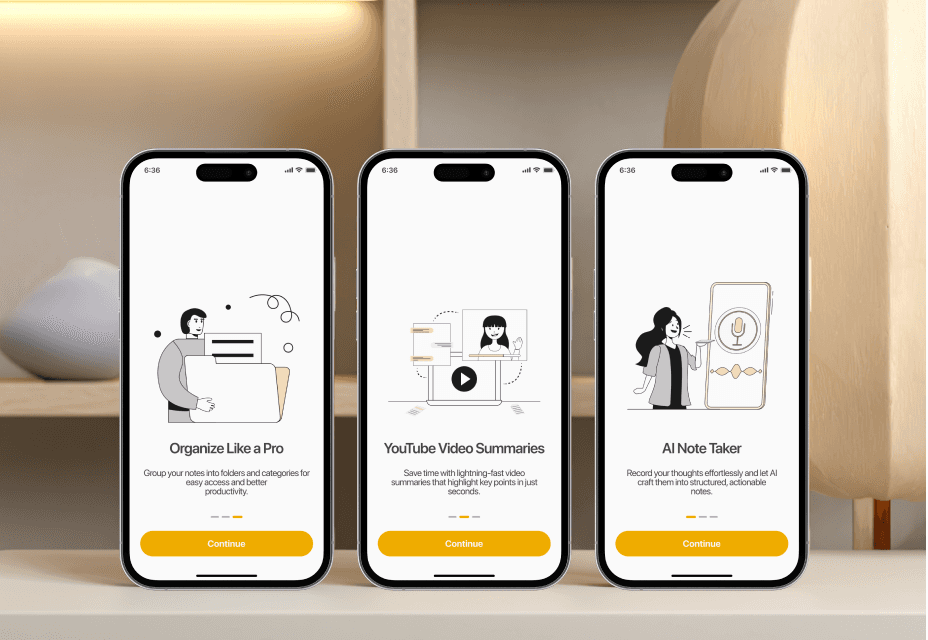
One of the most critical parts of this journey is the onboarding experience. Onboarding is not just an introduction, it is the bridge between a user’s initial curiosity and their first successful outcome. If the user understands what the app does, how it fits their needs, and what to do next, they are more likely to continue. If they feel confused, overwhelmed, or blocked by friction, they often leave without returning. This is why we treat onboarding as a product feature, not a decorative step. In many mobile products, onboarding is the first place where clarity, trust, and value must be communicated in a very short time.
A well-designed onboarding flow improves engagement, reduces churn, and drives conversion rate optimization. In our projects, we see that onboarding impacts multiple layers at once. It affects how quickly users reach their first meaningful action, how confident they feel about the product, and whether they perceive the app as premium and reliable. It also shapes the quality of analytics you collect, because better onboarding leads to cleaner user behavior patterns that are easier to optimize. When onboarding is designed intentionally, it becomes a measurable growth lever that supports retention and revenue outcomes rather than just a welcome screen sequence.
Here are seven secrets we use to optimize onboarding for mobile apps. These secrets are based on real delivery experience across different use cases, from MVPs that need rapid validation to subscription apps that depend on repeat engagement. We align onboarding decisions with product goals, user intent, and the specific constraints of mobile behavior. In other words, we do not apply generic patterns blindly, we tailor onboarding to the audience, the monetization model, and the time it takes for users to experience value. That is exactly how onboarding becomes a competitive advantage rather than a checkbox.
1. Make the First Impression Count
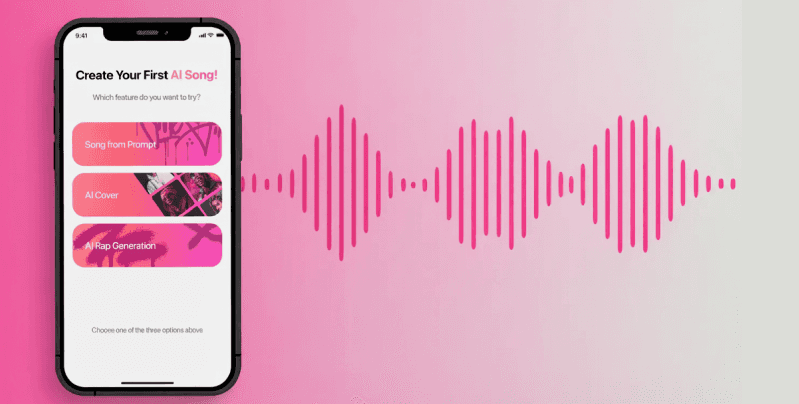
The first interaction with your app sets the tone for everything that follows. A clean, intuitive, and visually appealing onboarding screen immediately communicates value to the user.
We design this first moment to reduce uncertainty and help users instantly understand what they can achieve inside the app. In practice, that means clear messaging, a strong visual hierarchy, and a single primary action that guides the user forward without hesitation.
We advise clients to focus on clarity rather than quantity of information. In a lifestyle subscription app we developed, simplifying the welcome screens and highlighting the core benefits increased trial conversions by over fifteen percent.
We often see that when the first screens are too crowded, users hesitate and drop before they reach the “aha” moment. By prioritizing the core promise of the product and removing secondary details from the first step, we keep users moving and build confidence early.We advise clients to focus on clarity rather than quantity of information. In a lifestyle subscription app we developed, simplifying the welcome screens and highlighting the core benefits increased trial conversions by over fifteen percent.
We often see that when the first screens are too crowded, users hesitate and drop before they reach the “aha” moment. By prioritizing the core promise of the product and removing secondary details from the first step, we keep users moving and build confidence early.
2. Guide Users Step by Step
A successful onboarding flow gradually introduces app features rather than overwhelming users with too much at once. Breaking complex processes into simple steps improves comprehension and retention.
We structure onboarding so users complete one meaningful task at a time, with each step clearly explaining why it matters. This approach reduces cognitive load and makes the app feel easier, especially in products with multiple features or subscription paywalls.
For example, in a community app we built, step-by-step guidance for profile setup and feature exploration helped users complete onboarding faster and engage with the app more deeply. This is a key part of onboarding process improvement.
To keep that guidance effective, we use short microcopy, lightweight progress cues, and optional skips where possible so experienced users are not forced into unnecessary steps. That balance helps improve completion rates while still supporting new users who need more direction.
3. Personalize the Experience
Personalization makes onboarding feel relevant. Asking a few simple questions about user preferences or goals can dramatically improve engagement and satisfaction.
We keep these questions minimal and purposeful, because the goal is to increase perceived value, not to turn onboarding into a form. When users feel the app is responding to them personally, they are more likely to continue and explore deeper features.
In a fitness subscription app, we asked users about their activity level and workout goals during onboarding. This enabled us to tailor content and recommendations, improving user engagement metrics and increasing trial-to-paid conversion rates.
We also connect these answers to what users see next, such as a curated home screen, a smarter first recommendation, or a simplified plan selection. That way personalization becomes something the user experiences immediately, not just data collected in the background.
4. Keep the Flow Simple and Focused
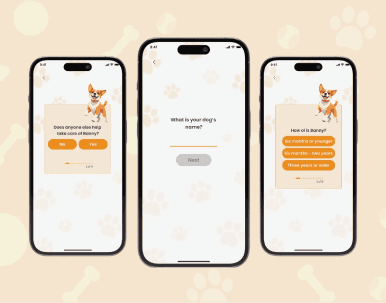
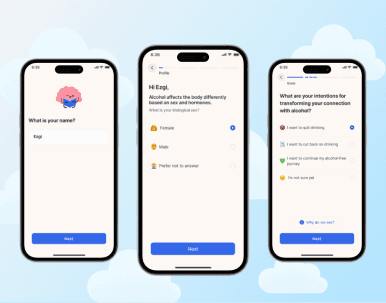
A confusing or cluttered onboarding process can quickly frustrate users. We emphasize simplicity by removing unnecessary steps and highlighting only what is essential for first-time engagement.
We keep the user’s attention on a single goal at a time, because early onboarding is not the place for every feature, every setting, or every option. When the flow is simple and focused, users move faster, feel more confident, and reach the first value moment without distractions. We also make sure the language is clear and the actions feel obvious, so users never have to guess what comes next.
For example, in a community app we built, reducing the number of required fields and guiding users through the most important actions first significantly increased onboarding completion and early feature adoption.
We typically apply this by turning long forms into short steps, asking only what is needed to unlock the first meaningful experience, and delaying anything optional until later. This supports a smoother first session and ensures users learn by doing, not by reading, which keeps the onboarding process moving forward naturally.For example, in a community app we built, reducing the number of required fields and guiding users through the most important actions first significantly increased onboarding completion and early feature adoption.
We typically apply this by turning long forms into short steps, asking only what is needed to unlock the first meaningful experience, and delaying anything optional until later. This supports a smoother first session and ensures users learn by doing, not by reading, which keeps the onboarding process moving forward naturally.
5. Communicate Value Quickly
Users need to understand the benefit of your app within seconds. Highlight the core value proposition early in the onboarding sequence to capture attention.
We focus on communicating the outcome, not the feature list. Instead of explaining every capability, we make sure the first screens answer the questions users actually care about, such as what problem the app solves, what they can achieve, and why it is worth their time. This is especially important when acquisition is driven by ads or App Store search, because users arrive with expectations and decide fast whether the product matches their intent.
For example, a subscription-based learning app we launched emphasized personalized content and quick wins upfront. Users immediately understood how the app could help them, improving conversion rate optimization.
We reinforce that value by aligning the first actions with the promise shown in onboarding, such as letting users preview a tailored plan or experience a quick result before asking for a deeper commitment. When the value is visible early, users are more likely to continue, complete onboarding, and move naturally toward the next step in the product journey.
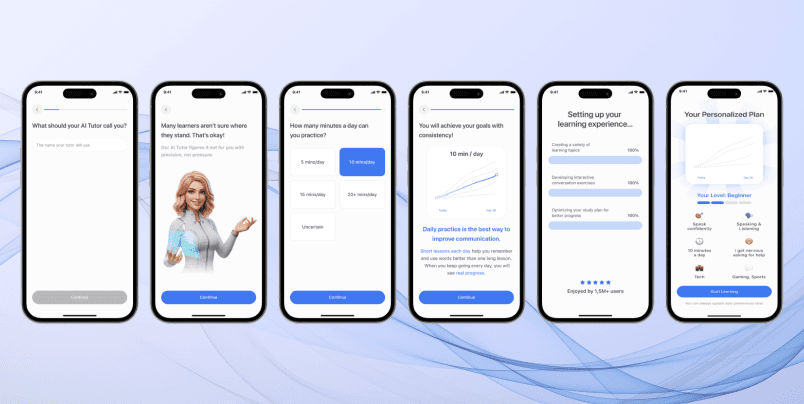
6. Provide Interactive Tutorials
Static instructions are less effective than interactive tutorials that let users explore the app while learning. Interactive walkthroughs increase confidence and familiarity.
We design interactive tutorials so users can learn by doing, not by reading. By reducing uncertainty in the first session, interactive guidance supports conversion rate optimization because users reach value faster and feel more confident to continue.
We implemented interactive tutorials for a productivity app where users could try key features without risk. This approach improved retention and reduced support requests.
We usually support this with safe sandbox interactions, clear tooltips, and lightweight confirmations, so users progress without fear of making mistakes and stay engaged after onboarding.
7. Continuously Test and Iterate
Onboarding optimization is never finished. Continuous monitoring of engagement metrics, completion rates, and user feedback allows us to refine flows over time.
We treat onboarding as a living part of the product, because even small changes in step order, copy, or required inputs can impact completion and directly affect conversion rate optimization over time.
At Neon Apps, we combine A/B testing with analytics to identify friction points in onboarding. Iterative improvements ensure that each version of the onboarding process maximizes engagement and drives measurable results.
We look at where users drop off, what slows them down, and which actions correlate with long term retention, then we iterate carefully without adding unnecessary complexity.
FAQ
What is mobile app onboarding and why is it important?
How can onboarding improve user retention?
What are the key elements of a successful onboarding flow?
How does Neon Apps optimize onboarding for mobile apps?
How often should onboarding flows be updated?
Stay Inspired
Get fresh design insights, articles, and resources delivered straight to your inbox.
Get stories, insights, and updates from the Neon Apps team straight to your inbox.
Latest Blogs


Stay Inspired
Get stories, insights, and updates from the Neon Apps team straight to your inbox.
Got a project?
Let's Connect
Got a project? We build world-class mobile and web apps for startups and global brands.

Neon Apps is a product development company building mobile, web, and SaaS products with an 85-member in-house team in Istanbul and New York, delivering scalable products as a long-term development partner.
Development
7 Secrets to Mobile App Onboarding Optimization
7 Secrets to Mobile App Onboarding Optimization
Unlock higher retention rates and drive measurable growth by optimizing your app’s onboarding flow with Neon Apps.
Unlock higher retention rates and drive measurable growth by optimizing your app’s onboarding flow with Neon Apps.
At Neon Apps, we help startups and app studios deliver mobile apps with user experiences that convert first-time users into loyal customers. We approach every product as a complete journey, not just a set of screens. That journey starts the moment a user downloads the app, opens it for the first time, and decides within seconds whether it feels valuable, understandable, and trustworthy. For startups, this moment can directly impact early traction, retention metrics, and even investor confidence. For app studios working with multiple releases, it can determine whether paid acquisition budgets turn into recurring subscription revenue or disappear into churn.
One of the most critical parts of this journey is the onboarding experience. Onboarding is not just an introduction, it is the bridge between a user’s initial curiosity and their first successful outcome. If the user understands what the app does, how it fits their needs, and what to do next, they are more likely to continue. If they feel confused, overwhelmed, or blocked by friction, they often leave without returning. This is why we treat onboarding as a product feature, not a decorative step. In many mobile products, onboarding is the first place where clarity, trust, and value must be communicated in a very short time.
A well-designed onboarding flow improves engagement, reduces churn, and drives conversion rate optimization. In our projects, we see that onboarding impacts multiple layers at once. It affects how quickly users reach their first meaningful action, how confident they feel about the product, and whether they perceive the app as premium and reliable. It also shapes the quality of analytics you collect, because better onboarding leads to cleaner user behavior patterns that are easier to optimize. When onboarding is designed intentionally, it becomes a measurable growth lever that supports retention and revenue outcomes rather than just a welcome screen sequence.
Here are seven secrets we use to optimize onboarding for mobile apps. These secrets are based on real delivery experience across different use cases, from MVPs that need rapid validation to subscription apps that depend on repeat engagement. We align onboarding decisions with product goals, user intent, and the specific constraints of mobile behavior. In other words, we do not apply generic patterns blindly, we tailor onboarding to the audience, the monetization model, and the time it takes for users to experience value. That is exactly how onboarding becomes a competitive advantage rather than a checkbox.
1. Make the First Impression Count
The first interaction with your app sets the tone for everything that follows. A clean, intuitive, and visually appealing onboarding screen immediately communicates value to the user.
We design this first moment to reduce uncertainty and help users instantly understand what they can achieve inside the app. In practice, that means clear messaging, a strong visual hierarchy, and a single primary action that guides the user forward without hesitation.
We advise clients to focus on clarity rather than quantity of information. In a lifestyle subscription app we developed, simplifying the welcome screens and highlighting the core benefits increased trial conversions by over fifteen percent.
We often see that when the first screens are too crowded, users hesitate and drop before they reach the “aha” moment. By prioritizing the core promise of the product and removing secondary details from the first step, we keep users moving and build confidence early.We advise clients to focus on clarity rather than quantity of information. In a lifestyle subscription app we developed, simplifying the welcome screens and highlighting the core benefits increased trial conversions by over fifteen percent.
We often see that when the first screens are too crowded, users hesitate and drop before they reach the “aha” moment. By prioritizing the core promise of the product and removing secondary details from the first step, we keep users moving and build confidence early.
2. Guide Users Step by Step
A successful onboarding flow gradually introduces app features rather than overwhelming users with too much at once. Breaking complex processes into simple steps improves comprehension and retention.
We structure onboarding so users complete one meaningful task at a time, with each step clearly explaining why it matters. This approach reduces cognitive load and makes the app feel easier, especially in products with multiple features or subscription paywalls.
For example, in a community app we built, step-by-step guidance for profile setup and feature exploration helped users complete onboarding faster and engage with the app more deeply. This is a key part of onboarding process improvement.
To keep that guidance effective, we use short microcopy, lightweight progress cues, and optional skips where possible so experienced users are not forced into unnecessary steps. That balance helps improve completion rates while still supporting new users who need more direction.
3. Personalize the Experience
Personalization makes onboarding feel relevant. Asking a few simple questions about user preferences or goals can dramatically improve engagement and satisfaction.
We keep these questions minimal and purposeful, because the goal is to increase perceived value, not to turn onboarding into a form. When users feel the app is responding to them personally, they are more likely to continue and explore deeper features.
In a fitness subscription app, we asked users about their activity level and workout goals during onboarding. This enabled us to tailor content and recommendations, improving user engagement metrics and increasing trial-to-paid conversion rates.
We also connect these answers to what users see next, such as a curated home screen, a smarter first recommendation, or a simplified plan selection. That way personalization becomes something the user experiences immediately, not just data collected in the background.
4. Keep the Flow Simple and Focused
A confusing or cluttered onboarding process can quickly frustrate users. We emphasize simplicity by removing unnecessary steps and highlighting only what is essential for first-time engagement.
We keep the user’s attention on a single goal at a time, because early onboarding is not the place for every feature, every setting, or every option. When the flow is simple and focused, users move faster, feel more confident, and reach the first value moment without distractions. We also make sure the language is clear and the actions feel obvious, so users never have to guess what comes next.
For example, in a community app we built, reducing the number of required fields and guiding users through the most important actions first significantly increased onboarding completion and early feature adoption.
We typically apply this by turning long forms into short steps, asking only what is needed to unlock the first meaningful experience, and delaying anything optional until later. This supports a smoother first session and ensures users learn by doing, not by reading, which keeps the onboarding process moving forward naturally.For example, in a community app we built, reducing the number of required fields and guiding users through the most important actions first significantly increased onboarding completion and early feature adoption.
We typically apply this by turning long forms into short steps, asking only what is needed to unlock the first meaningful experience, and delaying anything optional until later. This supports a smoother first session and ensures users learn by doing, not by reading, which keeps the onboarding process moving forward naturally.
5. Communicate Value Quickly
Users need to understand the benefit of your app within seconds. Highlight the core value proposition early in the onboarding sequence to capture attention.
We focus on communicating the outcome, not the feature list. Instead of explaining every capability, we make sure the first screens answer the questions users actually care about, such as what problem the app solves, what they can achieve, and why it is worth their time. This is especially important when acquisition is driven by ads or App Store search, because users arrive with expectations and decide fast whether the product matches their intent.
For example, a subscription-based learning app we launched emphasized personalized content and quick wins upfront. Users immediately understood how the app could help them, improving conversion rate optimization.
We reinforce that value by aligning the first actions with the promise shown in onboarding, such as letting users preview a tailored plan or experience a quick result before asking for a deeper commitment. When the value is visible early, users are more likely to continue, complete onboarding, and move naturally toward the next step in the product journey.
6. Provide Interactive Tutorials
Static instructions are less effective than interactive tutorials that let users explore the app while learning. Interactive walkthroughs increase confidence and familiarity.
We design interactive tutorials so users can learn by doing, not by reading. By reducing uncertainty in the first session, interactive guidance supports conversion rate optimization because users reach value faster and feel more confident to continue.
We implemented interactive tutorials for a productivity app where users could try key features without risk. This approach improved retention and reduced support requests.
We usually support this with safe sandbox interactions, clear tooltips, and lightweight confirmations, so users progress without fear of making mistakes and stay engaged after onboarding.
7. Continuously Test and Iterate
Onboarding optimization is never finished. Continuous monitoring of engagement metrics, completion rates, and user feedback allows us to refine flows over time.
We treat onboarding as a living part of the product, because even small changes in step order, copy, or required inputs can impact completion and directly affect conversion rate optimization over time.
At Neon Apps, we combine A/B testing with analytics to identify friction points in onboarding. Iterative improvements ensure that each version of the onboarding process maximizes engagement and drives measurable results.
We look at where users drop off, what slows them down, and which actions correlate with long term retention, then we iterate carefully without adding unnecessary complexity.
FAQ
What is mobile app onboarding and why is it important?
How can onboarding improve user retention?
What are the key elements of a successful onboarding flow?
How does Neon Apps optimize onboarding for mobile apps?
How often should onboarding flows be updated?
Stay Inspired
Get fresh design insights, articles, and resources delivered straight to your inbox.
Get stories, insights, and updates from the Neon Apps team straight to your inbox.
Latest Blogs
Stay Inspired
Get stories, insights, and updates from the Neon Apps team straight to your inbox.
Got a project?
Let's Connect
Got a project? We build world-class mobile and web apps for startups and global brands.
Neon Apps is a product development company building mobile, web, and SaaS products with an 85-member in-house team in Istanbul and New York, delivering scalable products as a long-term development partner.
Development
7 Secrets to Mobile App Onboarding Optimization
7 Secrets to Mobile App Onboarding Optimization
Unlock higher retention rates and drive measurable growth by optimizing your app’s onboarding flow with Neon Apps.
Unlock higher retention rates and drive measurable growth by optimizing your app’s onboarding flow with Neon Apps.
At Neon Apps, we help startups and app studios deliver mobile apps with user experiences that convert first-time users into loyal customers. We approach every product as a complete journey, not just a set of screens. That journey starts the moment a user downloads the app, opens it for the first time, and decides within seconds whether it feels valuable, understandable, and trustworthy. For startups, this moment can directly impact early traction, retention metrics, and even investor confidence. For app studios working with multiple releases, it can determine whether paid acquisition budgets turn into recurring subscription revenue or disappear into churn.
One of the most critical parts of this journey is the onboarding experience. Onboarding is not just an introduction, it is the bridge between a user’s initial curiosity and their first successful outcome. If the user understands what the app does, how it fits their needs, and what to do next, they are more likely to continue. If they feel confused, overwhelmed, or blocked by friction, they often leave without returning. This is why we treat onboarding as a product feature, not a decorative step. In many mobile products, onboarding is the first place where clarity, trust, and value must be communicated in a very short time.
A well-designed onboarding flow improves engagement, reduces churn, and drives conversion rate optimization. In our projects, we see that onboarding impacts multiple layers at once. It affects how quickly users reach their first meaningful action, how confident they feel about the product, and whether they perceive the app as premium and reliable. It also shapes the quality of analytics you collect, because better onboarding leads to cleaner user behavior patterns that are easier to optimize. When onboarding is designed intentionally, it becomes a measurable growth lever that supports retention and revenue outcomes rather than just a welcome screen sequence.
Here are seven secrets we use to optimize onboarding for mobile apps. These secrets are based on real delivery experience across different use cases, from MVPs that need rapid validation to subscription apps that depend on repeat engagement. We align onboarding decisions with product goals, user intent, and the specific constraints of mobile behavior. In other words, we do not apply generic patterns blindly, we tailor onboarding to the audience, the monetization model, and the time it takes for users to experience value. That is exactly how onboarding becomes a competitive advantage rather than a checkbox.
1. Make the First Impression Count
The first interaction with your app sets the tone for everything that follows. A clean, intuitive, and visually appealing onboarding screen immediately communicates value to the user.
We design this first moment to reduce uncertainty and help users instantly understand what they can achieve inside the app. In practice, that means clear messaging, a strong visual hierarchy, and a single primary action that guides the user forward without hesitation.
We advise clients to focus on clarity rather than quantity of information. In a lifestyle subscription app we developed, simplifying the welcome screens and highlighting the core benefits increased trial conversions by over fifteen percent.
We often see that when the first screens are too crowded, users hesitate and drop before they reach the “aha” moment. By prioritizing the core promise of the product and removing secondary details from the first step, we keep users moving and build confidence early.We advise clients to focus on clarity rather than quantity of information. In a lifestyle subscription app we developed, simplifying the welcome screens and highlighting the core benefits increased trial conversions by over fifteen percent.
We often see that when the first screens are too crowded, users hesitate and drop before they reach the “aha” moment. By prioritizing the core promise of the product and removing secondary details from the first step, we keep users moving and build confidence early.
2. Guide Users Step by Step
A successful onboarding flow gradually introduces app features rather than overwhelming users with too much at once. Breaking complex processes into simple steps improves comprehension and retention.
We structure onboarding so users complete one meaningful task at a time, with each step clearly explaining why it matters. This approach reduces cognitive load and makes the app feel easier, especially in products with multiple features or subscription paywalls.
For example, in a community app we built, step-by-step guidance for profile setup and feature exploration helped users complete onboarding faster and engage with the app more deeply. This is a key part of onboarding process improvement.
To keep that guidance effective, we use short microcopy, lightweight progress cues, and optional skips where possible so experienced users are not forced into unnecessary steps. That balance helps improve completion rates while still supporting new users who need more direction.
3. Personalize the Experience
Personalization makes onboarding feel relevant. Asking a few simple questions about user preferences or goals can dramatically improve engagement and satisfaction.
We keep these questions minimal and purposeful, because the goal is to increase perceived value, not to turn onboarding into a form. When users feel the app is responding to them personally, they are more likely to continue and explore deeper features.
In a fitness subscription app, we asked users about their activity level and workout goals during onboarding. This enabled us to tailor content and recommendations, improving user engagement metrics and increasing trial-to-paid conversion rates.
We also connect these answers to what users see next, such as a curated home screen, a smarter first recommendation, or a simplified plan selection. That way personalization becomes something the user experiences immediately, not just data collected in the background.
4. Keep the Flow Simple and Focused
A confusing or cluttered onboarding process can quickly frustrate users. We emphasize simplicity by removing unnecessary steps and highlighting only what is essential for first-time engagement.
We keep the user’s attention on a single goal at a time, because early onboarding is not the place for every feature, every setting, or every option. When the flow is simple and focused, users move faster, feel more confident, and reach the first value moment without distractions. We also make sure the language is clear and the actions feel obvious, so users never have to guess what comes next.
For example, in a community app we built, reducing the number of required fields and guiding users through the most important actions first significantly increased onboarding completion and early feature adoption.
We typically apply this by turning long forms into short steps, asking only what is needed to unlock the first meaningful experience, and delaying anything optional until later. This supports a smoother first session and ensures users learn by doing, not by reading, which keeps the onboarding process moving forward naturally.For example, in a community app we built, reducing the number of required fields and guiding users through the most important actions first significantly increased onboarding completion and early feature adoption.
We typically apply this by turning long forms into short steps, asking only what is needed to unlock the first meaningful experience, and delaying anything optional until later. This supports a smoother first session and ensures users learn by doing, not by reading, which keeps the onboarding process moving forward naturally.
5. Communicate Value Quickly
Users need to understand the benefit of your app within seconds. Highlight the core value proposition early in the onboarding sequence to capture attention.
We focus on communicating the outcome, not the feature list. Instead of explaining every capability, we make sure the first screens answer the questions users actually care about, such as what problem the app solves, what they can achieve, and why it is worth their time. This is especially important when acquisition is driven by ads or App Store search, because users arrive with expectations and decide fast whether the product matches their intent.
For example, a subscription-based learning app we launched emphasized personalized content and quick wins upfront. Users immediately understood how the app could help them, improving conversion rate optimization.
We reinforce that value by aligning the first actions with the promise shown in onboarding, such as letting users preview a tailored plan or experience a quick result before asking for a deeper commitment. When the value is visible early, users are more likely to continue, complete onboarding, and move naturally toward the next step in the product journey.
6. Provide Interactive Tutorials
Static instructions are less effective than interactive tutorials that let users explore the app while learning. Interactive walkthroughs increase confidence and familiarity.
We design interactive tutorials so users can learn by doing, not by reading. By reducing uncertainty in the first session, interactive guidance supports conversion rate optimization because users reach value faster and feel more confident to continue.
We implemented interactive tutorials for a productivity app where users could try key features without risk. This approach improved retention and reduced support requests.
We usually support this with safe sandbox interactions, clear tooltips, and lightweight confirmations, so users progress without fear of making mistakes and stay engaged after onboarding.
7. Continuously Test and Iterate
Onboarding optimization is never finished. Continuous monitoring of engagement metrics, completion rates, and user feedback allows us to refine flows over time.
We treat onboarding as a living part of the product, because even small changes in step order, copy, or required inputs can impact completion and directly affect conversion rate optimization over time.
At Neon Apps, we combine A/B testing with analytics to identify friction points in onboarding. Iterative improvements ensure that each version of the onboarding process maximizes engagement and drives measurable results.
We look at where users drop off, what slows them down, and which actions correlate with long term retention, then we iterate carefully without adding unnecessary complexity.
FAQ
What is mobile app onboarding and why is it important?
How can onboarding improve user retention?
What are the key elements of a successful onboarding flow?
How does Neon Apps optimize onboarding for mobile apps?
How often should onboarding flows be updated?
Stay Inspired
Get fresh design insights, articles, and resources delivered straight to your inbox.
Get stories, insights, and updates from the Neon Apps team straight to your inbox.
Latest Blogs
Stay Inspired
Get stories, insights, and updates from the Neon Apps team straight to your inbox.
Got a project?
Let's Connect
Got a project? We build world-class mobile and web apps for startups and global brands.
Neon Apps is a product development company building mobile, web, and SaaS products with an 85-member in-house team in Istanbul and New York, delivering scalable products as a long-term development partner.