Partnerships
The Impact of Trust Design in Mobile Apps on User Retention and Loyalty
The Impact of Trust Design in Mobile Apps on User Retention and Loyalty
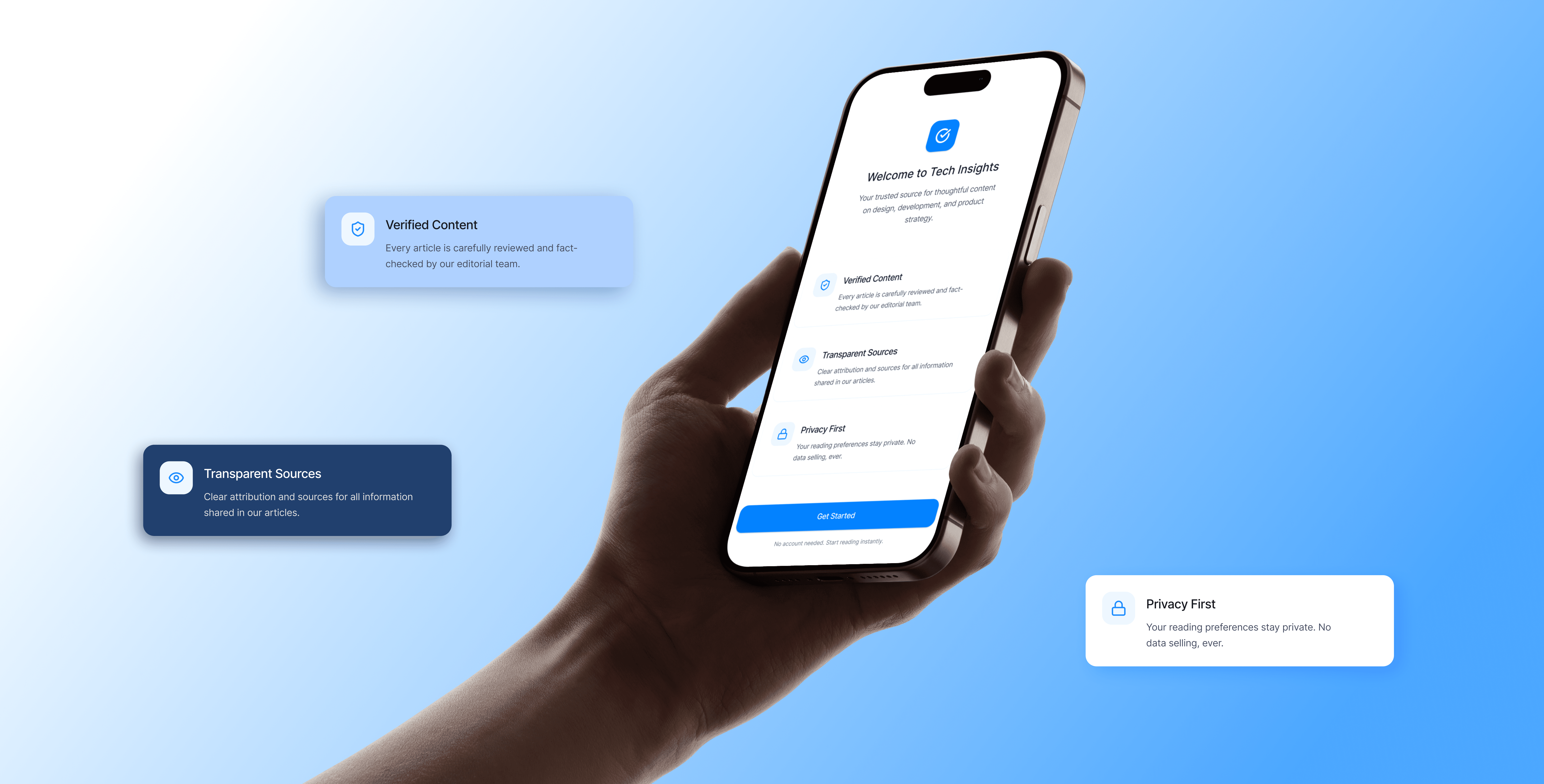
At Neon Apps, we focus on trust design to boost retention and loyalty, using consistent UX, trust signals, and clear communication to create safe, engaging apps.
At Neon Apps, we focus on trust design to boost retention and loyalty, using consistent UX, trust signals, and clear communication to create safe, engaging apps.
Why Trust Design Matters in the First 30 Seconds
The first 30 seconds a user spends in an app are crucial. Within that brief window, users immediately start assessing the credibility of the app based on its clarity, consistency, and emotional comfort. These initial moments shape the user’s overall perception and influence whether they continue engaging with the app. This is where trust design plays a pivotal role in forming a positive first impression. At Neon Apps, we understand that first impressions are everything. We emphasize creating clean layouts, intuitive navigation, and a stable visual hierarchy that guides users naturally through the app. The goal is for the app to feel familiar, reliable, and reassuring right from the start, ensuring that users are immediately comfortable and confident in their interactions.
A recent project with one of our client’s mobile app MVP provides a perfect example. During early testing, users expressed difficulty navigating the app due to a visually heavy interface and a lack of clarity in navigation. After simplifying the typography, restructuring the navigation, and applying consistent color patterns, we were able to enhance brand consistency and usability. This refined design improved the overall user experience, and the result was a 40% increase in conversion rates on the onboarding screens, demonstrating the significant impact that effective trust design can have on user engagement.
Trust in an app starts with predictability. When users interact with familiar, well-designed elements, they sense reliability. Predictability builds comfort and reassures users that they are in control. For example, when buttons behave as expected, and pages load quickly, users feel that the app is responsive and efficient. This initial usability foundationcreates a psychological anchor that helps users feel safe in their interaction with the app, making them more likely to stay rather than abandon it.
Effective trust design ensures that each touchpoint aligns with users’ expectations and reinforces the app’s reliability. This is crucial in building long-term user loyalty and engagement. By establishing a seamless and predictable user experience early on, the app sets the tone for the entire customer journey, which ultimately influences long-term product adoption. Trust design, therefore, is not only essential for the initial interaction but also for fostering sustained relationships with users, keeping them engaged over time.
2. Trust Signals That Influence User Decisions
Every successful app needs intentional trust signals that reassure users during key moments of interaction. These trust signals ranging from small design choices to communication strategies serve to build confidence and reduce uncertainty throughout the user journey. At Neon Apps, we understand that trust doesn’t happen by accident. It’s embedded in every element of the app experience, carefully crafted to guide users smoothly from one interaction to the next.
Microcopy plays an essential role as one of these signals. Simple, clear, and reassuring text like confirming a successful action or providing gentle prompts during sign-ups can help users feel confident in their decisions and actions within the app. Likewise, secure payment indicators like “HTTPS” or trusted payment gateway logos give users a sense of security when entering sensitive information, ensuring that they feel safe making purchases.
Similarly, progress confirmations such as showing a loading bar or clear feedback during form submissions keep users informed and reduce feelings of uncertainty. By indicating that the process is moving forward, these subtle trust signals improve the overall user experience and reduce friction. Transparent permissions are another key element. Letting users know exactly why certain data is needed and how it will be used fosters a sense of respect and openness, preventing users from feeling that they’re giving away information without understanding the purpose.
Visually consistent UI elements also play a significant role in establishing trust. By maintaining a coherent visual language throughout the app, users feel like they are interacting with a professional, reliable product. Inconsistent design elements or unexpected changes in navigation can cause users to feel uneasy and unsure of how to interact with the app, reducing trust. Consistency in design makes everything feel predictable, which, in turn, makes users feel more secure.
At Neon Apps, we place these trust signals at the exact points where users experience uncertainty during sign-up, payment, or other crucial touchpoints. This strategic placement ensures that users feel reassured and confident at every stage of their interaction with the app.
Additionally, trust signals also stem from design transparency. Users not only want to know that their data is safe but also why you’re requesting it in the first place. Transparency about the purpose of data collection, how their data is handled, and the steps taken to protect it helps reduce any concerns. If a user is asked to enter personal details, explaining why this information is needed for a better experience can ease anxiety and create a feeling of control. This transparency enhances user comfort, which directly impacts retention and long-term engagement.
Clear communication eliminates ambiguity and reinforces trust at every step. When users understand the process and feel in control, they are more likely to continue using the app, recommend it to others, and become loyal, long-term users. Trust signals, therefore, are not just a nice-to-have they are foundational to user retention, engagement, and ultimately, business success.
3. How User Experience Design Reinforces Long-Term Loyalty
Strong user experience (UX) design is not just about aesthetics; it’s about creating interactions that build dependability and emotional comfort over time. When apps are designed to feel intuitive, even the most complex tasks become effortless for users. This seamless experience fosters loyalty, as users continuously find that the product meets their expectations, which keeps them engaged in the long run.
At Neon Apps, we’ve observed this firsthand, particularly in our work with high-frequency subscription app studios. For these types of products, long-term retention is driven by predictable behavior patterns. This means that when users engage with the app, they know exactly what to expect, and every interaction feels familiar and safe. To achieve this, we employ a structured visual hierarchy, a clear, logical flow that guides the user’s attention to the most important elements of the interface. This approach helps to reduce cognitive load, making it easier for users to make decisions and navigate the app without feeling overwhelmed. When the app feels predictable and the features behave consistently across different screens, users feel more comfortable and are more likely to return.
One of the key drivers of trust and loyalty is the use of micro-interactions. These small but impactful moments in the app, such as simple confirmations, success animations, or reminders that feel helpful rather than intrusive, make a significant difference in user engagement. These interactions don’t just serve functional purposes; they create emotional connections. For example, when a user completes a task, an animation or feedback that congratulates them can create a sense of accomplishment, making the experience more rewarding. Similarly, small confirmations that reassure users their actions have been successful, like when a button click leads to a smooth transition, reinforce trust in the app's reliability.
Over time, these micro-interactions accumulate, and together, they help build deep loyalty, much like traditional loyalty programs. However, instead of offering points or discounts, users are engaged through thoughtful design choices that cater to their emotional and functional needs. They recognize the reliability of the product and the care that has gone into its design. As these small touches accumulate, they help solidify a positive relationship with the app, making it part of the user’s daily routine and increasing the likelihood of long-term engagement.
Ultimately, the combination of intuitive design, predictable behavior, and emotionally resonant micro-interactions is what turns casual users into loyal advocates. This approach to UX design doesn’t just create apps that people use it creates apps that people trust, rely on, and return to, day after day. The result is not only improved user retention but also increased lifetime value (LTV) and a strong foundation for sustained product growth.
4. Building Brand Consistency Across Every Touchpoint
In today’s competitive app market, users lose trust quickly when an app feels inconsistent. Elements like fonts, colors, button styles, and messaging need to form a unified system to ensure a seamless experience across all touchpoints. At Neon Apps, we obsess over brand consistency in every product we build. We understand that a consistent brand not only builds trust but also gives users a sense of stability. When users recognize the same visual language, tone, and patterns throughout the app, it communicates professionalism and intentionality, reassuring them that they are interacting with a thoughtfully designed product.
One example of this approach in action comes from a project where we redesigned an entertainment community app. By aligning every visual element to a single, cohesive identity, we created a user experience that felt harmonized and trustworthy. After launch, user feedback revealed that they felt “more confident” in the product and “more connected”to the brand. These subtle yet impactful design changes such as consistent spacing, unified iconography, and cohesive color patterns dramatically improved the credibility of the app, enhancing user trust.
Consistency also plays a crucial role in reducing friction. When users don’t have to relearn how each screen works, they feel more in control and confident using the app. This predictability leads to higher trust and, as a result, lower drop-off rates and stronger retention across the entire product lifecycle. By providing a consistent experience across every touchpoint, users can navigate seamlessly, boosting overall satisfaction and ensuring long-term engagement.
5. How Trust Design Shapes User Retention and Loyalty
Building user loyalty begins with creating a trustworthy product. Trust is the invisible force behind higher engagement, stronger retention, and long-term brand relationships. Users are more likely to remain loyal to products that feel safe, honest, and reliable. At Neon Apps, we integrate trust design into every stage of app development, from the initial MVP to the fully scaled product. By embedding trust early, we ensure that the app not only meets the functional needs of the user but also creates an emotional connection that encourages long-term use.
For many apps we’ve scaled from MVP to full product, trust design has been a critical factor in their success. Whether through clear onboarding flows, strong UI patterns, or transparent communication, every touchpoint is designed to reassure users that the product is both stable and valuable. This consistent focus on trust establishes a solid foundation for user retention, especially in competitive markets where users have a wealth of options to choose from.
The key to building a trusted app is simple: clarity, consistency, and thoughtful design. At Neon Apps, we prioritize these principles in everything we do, ensuring that trust becomes part of the app’s DNA. When trust is built into the foundation of an app, users stay longer, engage more deeply, and choose your app over countless alternatives. This trust-driven approach not only increases user retention but also creates stronger brand loyalty, which translates into sustained growth and success.
FAQ
What is trust design in mobile apps?
Why is trust important in the first seconds of app usage?
What are common trust signals in mobile apps?
How does user experience design impact user loyalty?
How does Neon Apps integrate trust design into products?
Stay Inspired
Get fresh design insights, articles, and resources delivered straight to your inbox.
Get stories, insights, and updates from the Neon Apps team straight to your inbox.
Latest Blogs


Stay Inspired
Get stories, insights, and updates from the Neon Apps team straight to your inbox.
Got a project?
Let's Connect
Got a project? We build world-class mobile and web apps for startups and global brands.

Neon Apps is a product development company building mobile, web, and SaaS products with an 85-member in-house team in Istanbul and New York, delivering scalable products as a long-term development partner.
Partnerships
The Impact of Trust Design in Mobile Apps on User Retention and Loyalty
The Impact of Trust Design in Mobile Apps on User Retention and Loyalty
At Neon Apps, we focus on trust design to boost retention and loyalty, using consistent UX, trust signals, and clear communication to create safe, engaging apps.
At Neon Apps, we focus on trust design to boost retention and loyalty, using consistent UX, trust signals, and clear communication to create safe, engaging apps.
Why Trust Design Matters in the First 30 Seconds
The first 30 seconds a user spends in an app are crucial. Within that brief window, users immediately start assessing the credibility of the app based on its clarity, consistency, and emotional comfort. These initial moments shape the user’s overall perception and influence whether they continue engaging with the app. This is where trust design plays a pivotal role in forming a positive first impression. At Neon Apps, we understand that first impressions are everything. We emphasize creating clean layouts, intuitive navigation, and a stable visual hierarchy that guides users naturally through the app. The goal is for the app to feel familiar, reliable, and reassuring right from the start, ensuring that users are immediately comfortable and confident in their interactions.
A recent project with one of our client’s mobile app MVP provides a perfect example. During early testing, users expressed difficulty navigating the app due to a visually heavy interface and a lack of clarity in navigation. After simplifying the typography, restructuring the navigation, and applying consistent color patterns, we were able to enhance brand consistency and usability. This refined design improved the overall user experience, and the result was a 40% increase in conversion rates on the onboarding screens, demonstrating the significant impact that effective trust design can have on user engagement.
Trust in an app starts with predictability. When users interact with familiar, well-designed elements, they sense reliability. Predictability builds comfort and reassures users that they are in control. For example, when buttons behave as expected, and pages load quickly, users feel that the app is responsive and efficient. This initial usability foundationcreates a psychological anchor that helps users feel safe in their interaction with the app, making them more likely to stay rather than abandon it.
Effective trust design ensures that each touchpoint aligns with users’ expectations and reinforces the app’s reliability. This is crucial in building long-term user loyalty and engagement. By establishing a seamless and predictable user experience early on, the app sets the tone for the entire customer journey, which ultimately influences long-term product adoption. Trust design, therefore, is not only essential for the initial interaction but also for fostering sustained relationships with users, keeping them engaged over time.
2. Trust Signals That Influence User Decisions
Every successful app needs intentional trust signals that reassure users during key moments of interaction. These trust signals ranging from small design choices to communication strategies serve to build confidence and reduce uncertainty throughout the user journey. At Neon Apps, we understand that trust doesn’t happen by accident. It’s embedded in every element of the app experience, carefully crafted to guide users smoothly from one interaction to the next.
Microcopy plays an essential role as one of these signals. Simple, clear, and reassuring text like confirming a successful action or providing gentle prompts during sign-ups can help users feel confident in their decisions and actions within the app. Likewise, secure payment indicators like “HTTPS” or trusted payment gateway logos give users a sense of security when entering sensitive information, ensuring that they feel safe making purchases.
Similarly, progress confirmations such as showing a loading bar or clear feedback during form submissions keep users informed and reduce feelings of uncertainty. By indicating that the process is moving forward, these subtle trust signals improve the overall user experience and reduce friction. Transparent permissions are another key element. Letting users know exactly why certain data is needed and how it will be used fosters a sense of respect and openness, preventing users from feeling that they’re giving away information without understanding the purpose.
Visually consistent UI elements also play a significant role in establishing trust. By maintaining a coherent visual language throughout the app, users feel like they are interacting with a professional, reliable product. Inconsistent design elements or unexpected changes in navigation can cause users to feel uneasy and unsure of how to interact with the app, reducing trust. Consistency in design makes everything feel predictable, which, in turn, makes users feel more secure.
At Neon Apps, we place these trust signals at the exact points where users experience uncertainty during sign-up, payment, or other crucial touchpoints. This strategic placement ensures that users feel reassured and confident at every stage of their interaction with the app.
Additionally, trust signals also stem from design transparency. Users not only want to know that their data is safe but also why you’re requesting it in the first place. Transparency about the purpose of data collection, how their data is handled, and the steps taken to protect it helps reduce any concerns. If a user is asked to enter personal details, explaining why this information is needed for a better experience can ease anxiety and create a feeling of control. This transparency enhances user comfort, which directly impacts retention and long-term engagement.
Clear communication eliminates ambiguity and reinforces trust at every step. When users understand the process and feel in control, they are more likely to continue using the app, recommend it to others, and become loyal, long-term users. Trust signals, therefore, are not just a nice-to-have they are foundational to user retention, engagement, and ultimately, business success.
3. How User Experience Design Reinforces Long-Term Loyalty
Strong user experience (UX) design is not just about aesthetics; it’s about creating interactions that build dependability and emotional comfort over time. When apps are designed to feel intuitive, even the most complex tasks become effortless for users. This seamless experience fosters loyalty, as users continuously find that the product meets their expectations, which keeps them engaged in the long run.
At Neon Apps, we’ve observed this firsthand, particularly in our work with high-frequency subscription app studios. For these types of products, long-term retention is driven by predictable behavior patterns. This means that when users engage with the app, they know exactly what to expect, and every interaction feels familiar and safe. To achieve this, we employ a structured visual hierarchy, a clear, logical flow that guides the user’s attention to the most important elements of the interface. This approach helps to reduce cognitive load, making it easier for users to make decisions and navigate the app without feeling overwhelmed. When the app feels predictable and the features behave consistently across different screens, users feel more comfortable and are more likely to return.
One of the key drivers of trust and loyalty is the use of micro-interactions. These small but impactful moments in the app, such as simple confirmations, success animations, or reminders that feel helpful rather than intrusive, make a significant difference in user engagement. These interactions don’t just serve functional purposes; they create emotional connections. For example, when a user completes a task, an animation or feedback that congratulates them can create a sense of accomplishment, making the experience more rewarding. Similarly, small confirmations that reassure users their actions have been successful, like when a button click leads to a smooth transition, reinforce trust in the app's reliability.
Over time, these micro-interactions accumulate, and together, they help build deep loyalty, much like traditional loyalty programs. However, instead of offering points or discounts, users are engaged through thoughtful design choices that cater to their emotional and functional needs. They recognize the reliability of the product and the care that has gone into its design. As these small touches accumulate, they help solidify a positive relationship with the app, making it part of the user’s daily routine and increasing the likelihood of long-term engagement.
Ultimately, the combination of intuitive design, predictable behavior, and emotionally resonant micro-interactions is what turns casual users into loyal advocates. This approach to UX design doesn’t just create apps that people use it creates apps that people trust, rely on, and return to, day after day. The result is not only improved user retention but also increased lifetime value (LTV) and a strong foundation for sustained product growth.
4. Building Brand Consistency Across Every Touchpoint
In today’s competitive app market, users lose trust quickly when an app feels inconsistent. Elements like fonts, colors, button styles, and messaging need to form a unified system to ensure a seamless experience across all touchpoints. At Neon Apps, we obsess over brand consistency in every product we build. We understand that a consistent brand not only builds trust but also gives users a sense of stability. When users recognize the same visual language, tone, and patterns throughout the app, it communicates professionalism and intentionality, reassuring them that they are interacting with a thoughtfully designed product.
One example of this approach in action comes from a project where we redesigned an entertainment community app. By aligning every visual element to a single, cohesive identity, we created a user experience that felt harmonized and trustworthy. After launch, user feedback revealed that they felt “more confident” in the product and “more connected”to the brand. These subtle yet impactful design changes such as consistent spacing, unified iconography, and cohesive color patterns dramatically improved the credibility of the app, enhancing user trust.
Consistency also plays a crucial role in reducing friction. When users don’t have to relearn how each screen works, they feel more in control and confident using the app. This predictability leads to higher trust and, as a result, lower drop-off rates and stronger retention across the entire product lifecycle. By providing a consistent experience across every touchpoint, users can navigate seamlessly, boosting overall satisfaction and ensuring long-term engagement.
5. How Trust Design Shapes User Retention and Loyalty
Building user loyalty begins with creating a trustworthy product. Trust is the invisible force behind higher engagement, stronger retention, and long-term brand relationships. Users are more likely to remain loyal to products that feel safe, honest, and reliable. At Neon Apps, we integrate trust design into every stage of app development, from the initial MVP to the fully scaled product. By embedding trust early, we ensure that the app not only meets the functional needs of the user but also creates an emotional connection that encourages long-term use.
For many apps we’ve scaled from MVP to full product, trust design has been a critical factor in their success. Whether through clear onboarding flows, strong UI patterns, or transparent communication, every touchpoint is designed to reassure users that the product is both stable and valuable. This consistent focus on trust establishes a solid foundation for user retention, especially in competitive markets where users have a wealth of options to choose from.
The key to building a trusted app is simple: clarity, consistency, and thoughtful design. At Neon Apps, we prioritize these principles in everything we do, ensuring that trust becomes part of the app’s DNA. When trust is built into the foundation of an app, users stay longer, engage more deeply, and choose your app over countless alternatives. This trust-driven approach not only increases user retention but also creates stronger brand loyalty, which translates into sustained growth and success.
FAQ
What is trust design in mobile apps?
Why is trust important in the first seconds of app usage?
What are common trust signals in mobile apps?
How does user experience design impact user loyalty?
How does Neon Apps integrate trust design into products?
Stay Inspired
Get fresh design insights, articles, and resources delivered straight to your inbox.
Get stories, insights, and updates from the Neon Apps team straight to your inbox.
Latest Blogs
Stay Inspired
Get stories, insights, and updates from the Neon Apps team straight to your inbox.
Got a project?
Let's Connect
Got a project? We build world-class mobile and web apps for startups and global brands.
Neon Apps is a product development company building mobile, web, and SaaS products with an 85-member in-house team in Istanbul and New York, delivering scalable products as a long-term development partner.
Partnerships
The Impact of Trust Design in Mobile Apps on User Retention and Loyalty
The Impact of Trust Design in Mobile Apps on User Retention and Loyalty
At Neon Apps, we focus on trust design to boost retention and loyalty, using consistent UX, trust signals, and clear communication to create safe, engaging apps.
At Neon Apps, we focus on trust design to boost retention and loyalty, using consistent UX, trust signals, and clear communication to create safe, engaging apps.
Why Trust Design Matters in the First 30 Seconds
The first 30 seconds a user spends in an app are crucial. Within that brief window, users immediately start assessing the credibility of the app based on its clarity, consistency, and emotional comfort. These initial moments shape the user’s overall perception and influence whether they continue engaging with the app. This is where trust design plays a pivotal role in forming a positive first impression. At Neon Apps, we understand that first impressions are everything. We emphasize creating clean layouts, intuitive navigation, and a stable visual hierarchy that guides users naturally through the app. The goal is for the app to feel familiar, reliable, and reassuring right from the start, ensuring that users are immediately comfortable and confident in their interactions.
A recent project with one of our client’s mobile app MVP provides a perfect example. During early testing, users expressed difficulty navigating the app due to a visually heavy interface and a lack of clarity in navigation. After simplifying the typography, restructuring the navigation, and applying consistent color patterns, we were able to enhance brand consistency and usability. This refined design improved the overall user experience, and the result was a 40% increase in conversion rates on the onboarding screens, demonstrating the significant impact that effective trust design can have on user engagement.
Trust in an app starts with predictability. When users interact with familiar, well-designed elements, they sense reliability. Predictability builds comfort and reassures users that they are in control. For example, when buttons behave as expected, and pages load quickly, users feel that the app is responsive and efficient. This initial usability foundationcreates a psychological anchor that helps users feel safe in their interaction with the app, making them more likely to stay rather than abandon it.
Effective trust design ensures that each touchpoint aligns with users’ expectations and reinforces the app’s reliability. This is crucial in building long-term user loyalty and engagement. By establishing a seamless and predictable user experience early on, the app sets the tone for the entire customer journey, which ultimately influences long-term product adoption. Trust design, therefore, is not only essential for the initial interaction but also for fostering sustained relationships with users, keeping them engaged over time.
2. Trust Signals That Influence User Decisions
Every successful app needs intentional trust signals that reassure users during key moments of interaction. These trust signals ranging from small design choices to communication strategies serve to build confidence and reduce uncertainty throughout the user journey. At Neon Apps, we understand that trust doesn’t happen by accident. It’s embedded in every element of the app experience, carefully crafted to guide users smoothly from one interaction to the next.
Microcopy plays an essential role as one of these signals. Simple, clear, and reassuring text like confirming a successful action or providing gentle prompts during sign-ups can help users feel confident in their decisions and actions within the app. Likewise, secure payment indicators like “HTTPS” or trusted payment gateway logos give users a sense of security when entering sensitive information, ensuring that they feel safe making purchases.
Similarly, progress confirmations such as showing a loading bar or clear feedback during form submissions keep users informed and reduce feelings of uncertainty. By indicating that the process is moving forward, these subtle trust signals improve the overall user experience and reduce friction. Transparent permissions are another key element. Letting users know exactly why certain data is needed and how it will be used fosters a sense of respect and openness, preventing users from feeling that they’re giving away information without understanding the purpose.
Visually consistent UI elements also play a significant role in establishing trust. By maintaining a coherent visual language throughout the app, users feel like they are interacting with a professional, reliable product. Inconsistent design elements or unexpected changes in navigation can cause users to feel uneasy and unsure of how to interact with the app, reducing trust. Consistency in design makes everything feel predictable, which, in turn, makes users feel more secure.
At Neon Apps, we place these trust signals at the exact points where users experience uncertainty during sign-up, payment, or other crucial touchpoints. This strategic placement ensures that users feel reassured and confident at every stage of their interaction with the app.
Additionally, trust signals also stem from design transparency. Users not only want to know that their data is safe but also why you’re requesting it in the first place. Transparency about the purpose of data collection, how their data is handled, and the steps taken to protect it helps reduce any concerns. If a user is asked to enter personal details, explaining why this information is needed for a better experience can ease anxiety and create a feeling of control. This transparency enhances user comfort, which directly impacts retention and long-term engagement.
Clear communication eliminates ambiguity and reinforces trust at every step. When users understand the process and feel in control, they are more likely to continue using the app, recommend it to others, and become loyal, long-term users. Trust signals, therefore, are not just a nice-to-have they are foundational to user retention, engagement, and ultimately, business success.
3. How User Experience Design Reinforces Long-Term Loyalty
Strong user experience (UX) design is not just about aesthetics; it’s about creating interactions that build dependability and emotional comfort over time. When apps are designed to feel intuitive, even the most complex tasks become effortless for users. This seamless experience fosters loyalty, as users continuously find that the product meets their expectations, which keeps them engaged in the long run.
At Neon Apps, we’ve observed this firsthand, particularly in our work with high-frequency subscription app studios. For these types of products, long-term retention is driven by predictable behavior patterns. This means that when users engage with the app, they know exactly what to expect, and every interaction feels familiar and safe. To achieve this, we employ a structured visual hierarchy, a clear, logical flow that guides the user’s attention to the most important elements of the interface. This approach helps to reduce cognitive load, making it easier for users to make decisions and navigate the app without feeling overwhelmed. When the app feels predictable and the features behave consistently across different screens, users feel more comfortable and are more likely to return.
One of the key drivers of trust and loyalty is the use of micro-interactions. These small but impactful moments in the app, such as simple confirmations, success animations, or reminders that feel helpful rather than intrusive, make a significant difference in user engagement. These interactions don’t just serve functional purposes; they create emotional connections. For example, when a user completes a task, an animation or feedback that congratulates them can create a sense of accomplishment, making the experience more rewarding. Similarly, small confirmations that reassure users their actions have been successful, like when a button click leads to a smooth transition, reinforce trust in the app's reliability.
Over time, these micro-interactions accumulate, and together, they help build deep loyalty, much like traditional loyalty programs. However, instead of offering points or discounts, users are engaged through thoughtful design choices that cater to their emotional and functional needs. They recognize the reliability of the product and the care that has gone into its design. As these small touches accumulate, they help solidify a positive relationship with the app, making it part of the user’s daily routine and increasing the likelihood of long-term engagement.
Ultimately, the combination of intuitive design, predictable behavior, and emotionally resonant micro-interactions is what turns casual users into loyal advocates. This approach to UX design doesn’t just create apps that people use it creates apps that people trust, rely on, and return to, day after day. The result is not only improved user retention but also increased lifetime value (LTV) and a strong foundation for sustained product growth.
4. Building Brand Consistency Across Every Touchpoint
In today’s competitive app market, users lose trust quickly when an app feels inconsistent. Elements like fonts, colors, button styles, and messaging need to form a unified system to ensure a seamless experience across all touchpoints. At Neon Apps, we obsess over brand consistency in every product we build. We understand that a consistent brand not only builds trust but also gives users a sense of stability. When users recognize the same visual language, tone, and patterns throughout the app, it communicates professionalism and intentionality, reassuring them that they are interacting with a thoughtfully designed product.
One example of this approach in action comes from a project where we redesigned an entertainment community app. By aligning every visual element to a single, cohesive identity, we created a user experience that felt harmonized and trustworthy. After launch, user feedback revealed that they felt “more confident” in the product and “more connected”to the brand. These subtle yet impactful design changes such as consistent spacing, unified iconography, and cohesive color patterns dramatically improved the credibility of the app, enhancing user trust.
Consistency also plays a crucial role in reducing friction. When users don’t have to relearn how each screen works, they feel more in control and confident using the app. This predictability leads to higher trust and, as a result, lower drop-off rates and stronger retention across the entire product lifecycle. By providing a consistent experience across every touchpoint, users can navigate seamlessly, boosting overall satisfaction and ensuring long-term engagement.
5. How Trust Design Shapes User Retention and Loyalty
Building user loyalty begins with creating a trustworthy product. Trust is the invisible force behind higher engagement, stronger retention, and long-term brand relationships. Users are more likely to remain loyal to products that feel safe, honest, and reliable. At Neon Apps, we integrate trust design into every stage of app development, from the initial MVP to the fully scaled product. By embedding trust early, we ensure that the app not only meets the functional needs of the user but also creates an emotional connection that encourages long-term use.
For many apps we’ve scaled from MVP to full product, trust design has been a critical factor in their success. Whether through clear onboarding flows, strong UI patterns, or transparent communication, every touchpoint is designed to reassure users that the product is both stable and valuable. This consistent focus on trust establishes a solid foundation for user retention, especially in competitive markets where users have a wealth of options to choose from.
The key to building a trusted app is simple: clarity, consistency, and thoughtful design. At Neon Apps, we prioritize these principles in everything we do, ensuring that trust becomes part of the app’s DNA. When trust is built into the foundation of an app, users stay longer, engage more deeply, and choose your app over countless alternatives. This trust-driven approach not only increases user retention but also creates stronger brand loyalty, which translates into sustained growth and success.
FAQ
What is trust design in mobile apps?
Why is trust important in the first seconds of app usage?
What are common trust signals in mobile apps?
How does user experience design impact user loyalty?
How does Neon Apps integrate trust design into products?
Stay Inspired
Get fresh design insights, articles, and resources delivered straight to your inbox.
Get stories, insights, and updates from the Neon Apps team straight to your inbox.
Latest Blogs
Stay Inspired
Get stories, insights, and updates from the Neon Apps team straight to your inbox.
Got a project?
Let's Connect
Got a project? We build world-class mobile and web apps for startups and global brands.
Neon Apps is a product development company building mobile, web, and SaaS products with an 85-member in-house team in Istanbul and New York, delivering scalable products as a long-term development partner.